Chickens are incredibly interesting animals to have on the farm. They have huge personalities and are so much fun to watch. Chickens have over 200 distinct noises they can make for communicating. This fact doesn’t surprise me at all. Ours have quite a few calls that I recognize and know their purpose. They have a call they do when they have laid an egg, when they are looking for their flock mates, when they have found food, warning calls, look out calls, etc… and if you are around them long enough you can distinguish these calls yourself.
Tag: Farm
-
Fun Farm Fact Friday… July 3rd
Goat’s ears come in all shapes and sizes. Some stand straight up, like in the case of Alpines. Some are so small it looks like they have no ears at all, like in the case of Lamanchas. Nubians have large pendulum ears. It’s one of the features that attracts people to them the most! Beyond being cute these ears serve a purpose. Much like elephant ears do for elephants, the Nubian’s ears keep them cool in hot climates.

-
Fun Farm Fact Friday – June 26th
In last week’s Fun Farm Fact I told you that Nubians are the most common dairy goat breed in the US. Many people ask us why we picked Nubians as the goats for our farm. After all, there are several to choose from. Well after today’s fact you might understand.
While Nubians give less milk than the other standard breed goats their milk has the highest butterfat content! Their milk is creamier, richer, and is ideal for making cheeses, yogurts, other diary products…. and of course soaps!
-
Fun Farm Fact Friday… June 19th
On The Freckled Farm we have Nubian goats. While researching for interesting facts for this series I found out that Nubians are the most common dairy goat in the US. It makes sense to me… they are the cutest goats out there

-
Fun Farm Fact Friday… June 12th
It’s time for another fun chicken fact!
In studies done on chicken sleep patterns it was found that they experience rapid eye moment (REM). This suggests, like humans, chickens dream! It makes you wonder… what do chickens dream about?
-
Vaccinating Our Goats
When it comes to vaccinating goats the debates are almost as heated as the debates about vaccinating human children… and my view about vaccinating our goats is the same as my view about vaccinating our children.
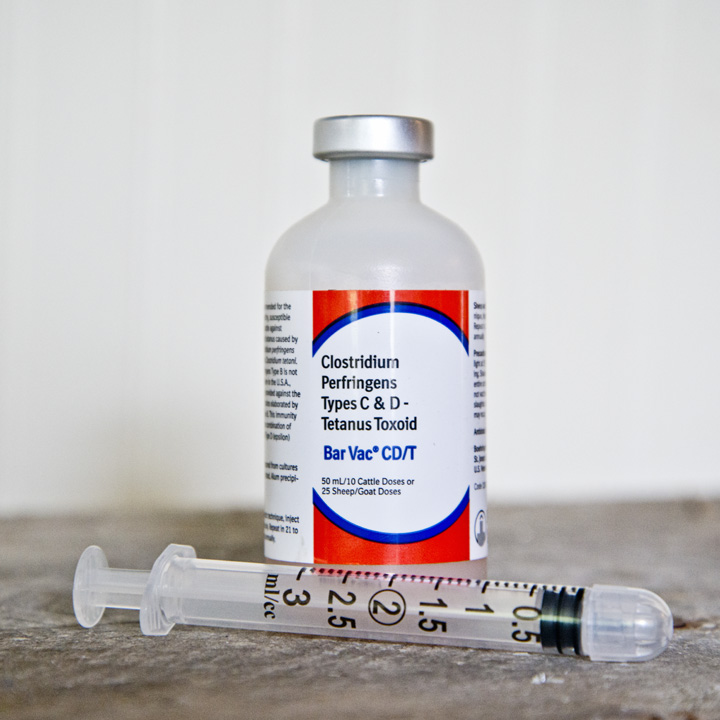
This has always been something I have struggled with. I do not like the idea of putting chemicals into our goats. It feels unnatural and scary. The decision to vaccinate is not something that I have taken lightly and the amount of research that I have done is sickening. You can find horror stories for both sides of the argument. My final decision however was to vaccinate. Like with my children I do whatever I can to ensure our goats are healthy and that means making hard decisions. Yes, there are risks associated with some vaccines, and yes, there are risks associated with not vaccinating. It came down to one simple thought… If something went wrong because I vaccinated (side effect, etc) it would be truly awful but at least I was trying to do whatever I could to avoid something bad happening. If something went wrong because I didn’t vaccinate it would be so much worse and I could have very easily done something to avoid it. Losing a goat, who we love, to something that could have been very easily avoided would be unbearable.
There are no where near as many vaccinations for goats as there are for children. The main vaccinations that our goats get are the CD-T, and rabies. Both prevent fatal illnesses. The importance of the rabies vaccination goes without saying, but you can read more about the CD-T vaccination here.
When it comes any other medication for our goats we use them as needed. So far we have never had to use antibiotics. We take great measures to make sure our herd is healthy so we can continue to avoid them. We deworm the girls twice a year, once before they are bred to make sure they are in the best condition possible at the time of breeding, then again right after they kid because they are very susceptible to parasites at that time. During the rest of the year we only deworm if it is absolutely necessary.
Finally comes the need for milk withdrawal. We never ever use milk from animals that have just been medicated. We often double the manufacturer’s suggested withdrawal time (meaning we dump the milk after the milking) because it is incredibly important to us that our milk is safe. Like I have said before, we give this milk to our children and use it in all of our products. We feel a great responsibility to make sure our milk is safe and comes from healthy animals.
-
Fun Farm Fact Friday… June 5th
Goats are social animals and should never be kept alone. A single goat will become depressed and will be far more vocal. So, it’s incredibly important to their heath that they have a companion. Most farms, included us, will not allow you to purchase a single goat unless you already have a companion animal set up, preferably another goat. Goats can also be put in with other social farm animals like llamas, alpacas, donkeys, or horses.
I have had several people tell me that they have heard that a dog can be kept with a goat as a companion… there are several issues with this. People have a tendency to bring dogs inside and a goat’s companion should never be taken away from them. You would have to be ok with leaving the dog with the goat at all times. The other issue is that there are only a few breeds of dogs that are recommended to be with goats. Great Pyrenees is the breed that is most commonly used as a guard dog for goats. It’s important that any dog with a goat have a guard mentality and not a herding mentality. Herders can become more aggressive with goats, especially when they don’t do what the dogs what them to do. Goats are not herding animals and will fight being led. It wouldn’t take much for a dog to kill a goat. So if someone wants to use a dog as a companion for a goat it’s going to require finding the right dog, with the right personality, lots of training, and a wiliness to leave the dog out with the goat at all times… Quite frankly a livestock animal would be easier and more cost effective.
-
What’s up Wednesday – June 3rd
I’m sorry I missed last week’s What’s up Wednesday. The busy season for the soap business, photography business, farm, and garden are all in full gear… at the same time. We are so incredibly grateful to be this busy. I hope it stays like this!
So much has happened on the farm in the last two weeks. Four of the eight goat kids have gone to their new homes. They all went to good homes and we couldn’t be more thrilled. We still have 3 bucks that we are trying to sell. Selling bucks is no easy task. Farms only need one or two to breed to their entire goat herd and from what I am hearing from other farms there have been an unusually large number of bucks born this year. We were lucky to only have had fifty percent bucks… not many in this area have been so lucky. I am hoping these sweet boys at least go as pets to someone. They are all so gentle and have amazing personalities.
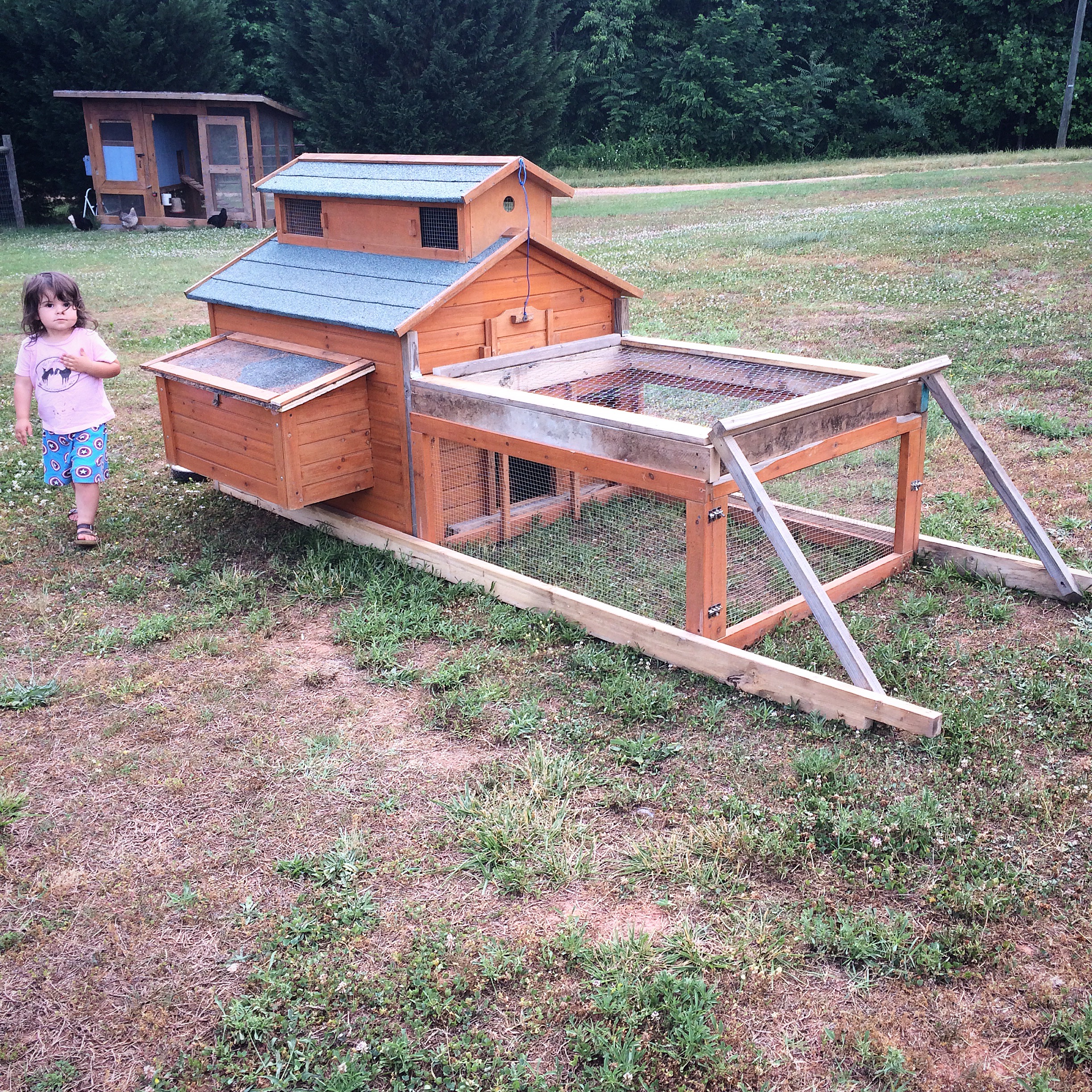
We moved the the bantam chicks outside into their new coop! They were getting tight in their brooder and we were getting tired of having the clean it twice a day… chicks create a lot of dust and dirt. We purchased a coop last year to use for our free range chickens to sleep and lay their eggs. It ended up being a really poor quality, even though we paid a pretty penny for it, so we decided to move the free rangers back into the sturdy coop where they were safe. The “free ranger” coop sat empty for a long time. We weren’t sure what to do with it. It would be a waste to just throw it out, but we were pretty sure it would just fall apart should a dog or other predictor decide to jump up against it. When our friend Rachel brought us the bantam chicks we knew we needed to find them a home once they were done with their brooder, so we decide to reinforce the coop and make it into a tractor, allowing the chickens to help us with pest control around the farm. We removed the entire bottom of the coop… meaning we pulled it away because it had basically wasted away and had already fallen through twice from the weight of the chickens (see… piece of junk). We sat the coop directly on the ground and used the run area the coop once sat on as a run for the front of the coop. It was just the right size considering they are only bantams and will be moved daily. We totally removed one set of nesting boxes because they too had fallen apart (we had half the number of chickens in this coop than it called for by the way). Kevin reenforced or replaced all the areas that were falling apart or felt weak. It has made a cute little chicken tractor! I am so glad we were able to use it and it won’t go to waste… I hate waste.
In soap news, our Summer Goat Milk Soap is on the curing racks! I am so ready for this soap to be done! It is so wonderful for summer skin. I used it all last summer and I’ve missed it so much. It’s made with green tea and aloe, so it’s soothing for skin that has had a lot of sun exposure. It will debut on the first day of summer later this month!
-
365 Project Round-up – May
I have had so much fun looking back at these pictures each month. It’s amazing to go back and see what we have accomplished in such a short amount of time. It gives you a new perspective. I can’t believe how quickly things have come together in the last month, especially with the garden… Thinking back it sure doesn’t feel that way, but looking at the photographs there is visual evidence that we sure have accomplished a lot!
To follow our 365 project “A Photo a day from The Freckled Farm” follow us on Instagram: Thefreckledfarm

-
Fun Farm Fact Friday… May 29th
Today is a goat fact that we get asked about often… Disbudding.
Disbudding is when a baby goat’s horn buds are burned off to prevent them from growing a full set of horns. Kids are generally disbudded within the first week of their life. This may sound cruel, but it is important to the goat’s health, as well as the health of it’s herd mates and caretakers. Goats with horns will run into many problems. They can easily get stuck in fencing, which can strangle them or leave them open to predators. They can also hurt or even kill their herd mates or caretaker. It is quite dangerous to have a goat with horns around (I have heard many stories). Especially on dairy goat farms where goats are handled so much on a daily basis.
Our farm vet disbuds our kids for us. This was not a procedure that I wanted to do on my own. She does it under anesthesia. The goats wake up about 30 minutes after the procedure acting totally normal. I have never had a problem with the goats acting like they were in pain or even phased by being disbudded.
So while this isn’t a procedure that we look forward to it’s important to the health of our herd that it is done.
Fias Co Farm has done an amazing job explaining the importance of disbudding – Check out THIS article.