Tag: Farm

  • How we spend our off season…

    The idea of an off season is a bit of a joke at this point. There really isn’t a time of the year where things slow down for us. During the “busy” season Kevin and I work from the moment we wake up, until our heads hit the pillow around midnight. Kevin gets up before the sun rises to do the morning farm chores and when he gets in we all have breakfast together before starting our day. We hurry around making and packaging our goat milk soap, preparing for farmer’s markets and/or craft shows, returning emails and calls, writing blog posts, handling all of the different social media outlets, and of course running the farm. The farm itself is practically a full time job all it’s own. Between that soap business and photography business we easily work 90+ hours a week… each. We are literally working in some form or fashion all day long, seven days a week. We love what we do, so (most of the time) it doesn’t feel like work and we are able to be flexible when it comes to how our day is run. Then December comes to an end we are thrown into this strange “off season” where we only have one (potentially two) markets a week. We only have a handful of online orders come in a week. Weddings and portrait sessions are few and far between. You would think we could maybe sit back and relax now…
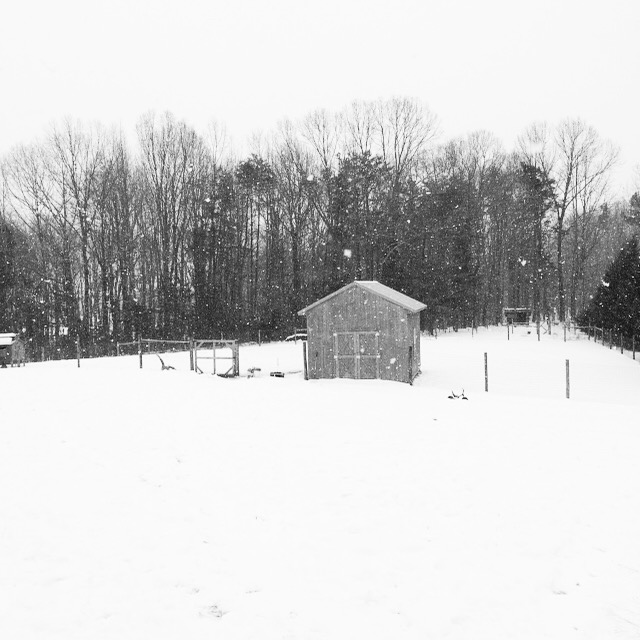
    The Freckled Farm Winter

    This time of year we only end up working around 60 hours a week each. Most of our farm chores are year round, so there really isn’t a big decrease in time there. While we don’t have to work in the garden or mow the lawn, most of the animal chores remain the same. We receive a small two month break from milking towards the end of the girls’ pregnancies, but they still eat on the milk stands, so instead of actively working during their feed time I usually spend that time talking to them and watching their baby bellies bounce around.

    This time of year our days are spent working on the projects that we had been putting off during the busy season. This includes doing repairs to the farm structures, preparing for babies, and finally getting to some of the farm projects that we wanted to do.

    When it comes to the soap company we spend the day/evening making batches of our goat milk soap, rebuilding our stock after being depleted during the holiday. This year we plan to (hope to) go into May, when markets open and business really starts to pick back up, with nearly three times more than what we had going into the start of the busy season last year. We also are using this time to work on several new soaps and even some entirely new products! We plan to go into the busy season running!

    Organization is the key this time of year. During the busy season things get tossed around. The shipping station looks like a storm blew through it. Everything in the office is scattered about. Each year we try to prefect our organization strategy a little more, to make things easier on ourselves the rest of the year, but as the business grows we are constantly having to reassess. We have put a lot of thought and effort into the new system that we are implementing this year, hopefully it will make things go smoothly once we hit May.

    We do try to give ourselves a little bit of a break during the winter though. We generally give ourselves the day “off” on Saturdays after the markets are over. This doesn’t mean we get to spend the whole afternoon and evening relaxing, because that is just not possible on a farm, but it does mean that computers stay off. Also, instead of working until midnight every other night we usually call it day between 8-10pm. I would love to be able to stop working earlier, but so much of the morning is dedicated to homeschool activities and using the little bit of the winter daylight to get things done around the farm. The “inside” work often gets pushed back to when it is dark.

    Come the end of March we will have babies all over the place and that’s a busy season all it own. We have seven goats due to kid and we should be getting fourteen to twenty one kids from them, all of whom will be bottle fed for 8 weeks. We have baby chicks coming to us via USPS around the same time. We will hopefully have piglets sometime in April (although we can not confirm if Myrtle is pregnant yet). Let’s not forget the garden! During all of this the 2016 garden will be going in! New life will be everywhere. It’s a really wonderful time of year to be on a farm.

    It’s a busy life, but we love it (so much!), and are incredibly grateful that we get to work side by side and spend our days together.
  • Fun Farm Facts Friday – December 25th

    This is it! The very last fun farm fact! It has been an amazing year! I hope that you enjoyed this series and learned a lot.

    Abraham Lincoln’s sons had two goats that lived in the white house with them! Forget the “first dog”… The “first goat” sounds a whole lot better to me!

  • Fun Farm Facts Friday – December 18th

    After this week there is only one more fact!!

    There is over 210 different breeds of goat in the world!! Only a small fraction of these breeds are in the United States. In fact, there are only 8 common dairy goat breeds here in the US.

  • Helping Farm Animals Deal with the Cold

    It’s almost officially winter. It won’t be long before we are dealing with extremely cold temperatures!

    Helping Animals Deal with the Cold - The Freckled Farm

    Most farm animals are built to deal with the cold to some degree. They have thick skin and a thick coats, but when tempatures drop well below freezing, like they did last winter, they may need a little help. Below I have outlined some ways we help our animals stay warm and healthy even when the temperatures reach frigid levels!

    1. We deep bed both our barn and chicken coop. When the temperatures start to drop late fall we do one last deep clean of the barn and chicken coop, then start a very thick layer of straw. It is imperative that you make sure you get good quality straw that has never gotten wet. You do not want your straw molding. On a daily basis (for the barn at least) we clean up any manure and extremely soiled straw then add a clean layer of straw. Most of the poop falls through the straw to the bottom of the bed (with the exception of the llama poop since they poop in one spot and it starts to build up), where it begins to compost and generate heat. The heat from the composting matter heats the barn and keeps it (in our case at least) significantly warmer than the outside air.
    2. When building our goat shelter we opted for a true barn as opposed to a lean-to like so many do for their goats. We wanted the option to completely close up the shelter if need be. If we are expecting extremely cold temps we can close the barn door, trapping in the heat from the deep bedding and their body heat. It’s also extremely helpful when you are kidding when it is still cold!
    3. One of the big challenges of winter is keeping fresh water available. In freezing temperatures the water buckets freeze in no time. We haven’t gone as far as to heat our buckets yet, although I feel that time is coming as our herd grows… We just check them often, either dumping out the ice and adding fresh water or adding warm water to thaw the ice.
    4. Finally we increase their feed. In the winter we more than quadruple the hay rations for the animals. They do not have grass or forage to eat (when it snows they won’t even leave the barn) and we want them to maintain weight, if not put a little more on, to help pad them for winter.

    While most animals can deal with cold temperatures without much issue, following the few steps outlined above you can help them get through the harshest points of winter.

  • Fun Farm Facts Friday – December 11th

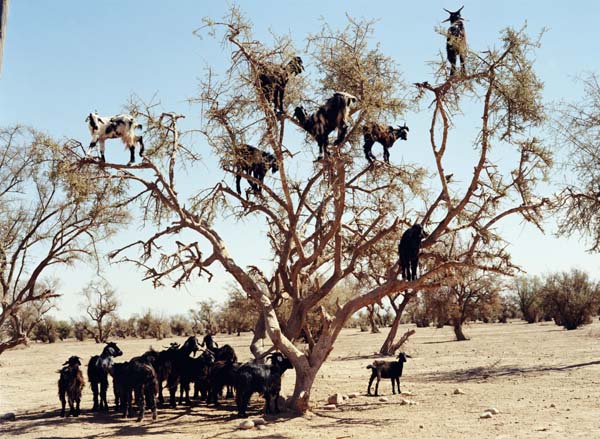
    Goats have excellent coordination. In certain parts of the world you can see goats scaling mountains and climbing trees. Goats love to climb! Many farmers will put ramps and toys in their pastures so goats can play.

    goat-treesPhoto Credit: Viralnova 


  • Fun Farm Facts Friday – December 4th

    I can’t believe it’s December! We have almost reached the end of our Fun Farm Facts. Only 4 more facts before the series is over! I hope you feel like you have learned a lot over the year.

    The average milk production for a dairy goat is 1,500 pounds per year in the goat’s prime! This can vary widely based on the individual goats and breed. Small breed goats like Nigerian Dwarfs give signification less, while some of the standard breed goats, like Toggenburgs, give more. On average Nubians gives over a gallon day. Our girls have always been exceptional milkers!

  • Fun Farm Facts Friday – November 27th

    Today’s farm fact is about goat udders!

    Goats have two teats (nipples). However, occasionally a goat will be born with an additional teat! Goat udders consist of two separate halves, each with their own mammary gland. When milking each side must be milked all the way out.

  • Fun Farm Facts Friday – November 20th

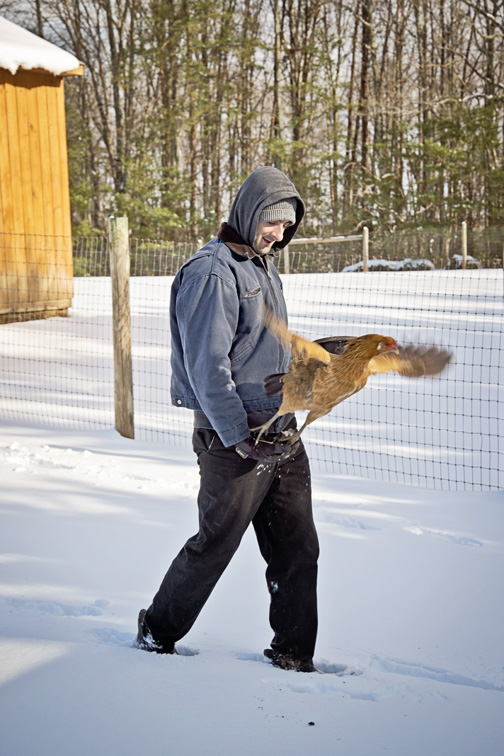
    Did you know that chickens are not completely flightless? Chickens will fly short distances, usually in order to get over a fence or into a tree. In the picture the chicken doesn’t want to touch the snow, so she flew out of Kevin’s hands into the coop.

    Chicken Flying - The Freckled Farm

  • Fun Farm Facts Friday – November 13th

    We have another chicken/egg fact today!

    Eggs

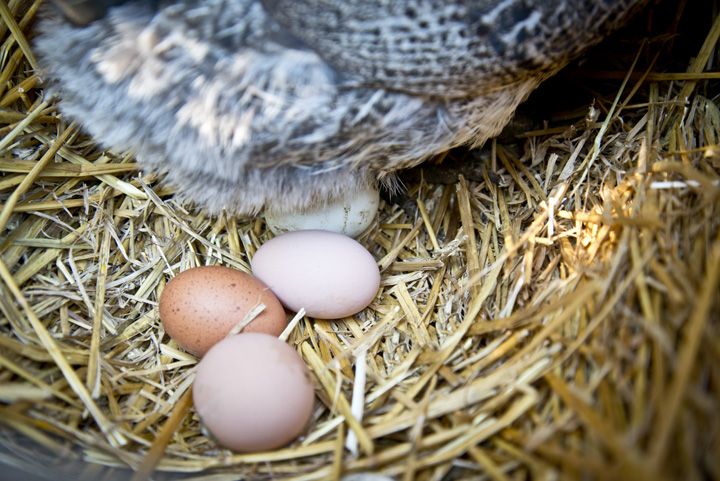
    When collecting eggs for the day it is very easy to tell which eggs were laid most recently because a freshly laid egg is 105 fahrenheit! That’s one hot egg!

  • Fun Farm Facts Friday – November 6th

    It takes a fertilized egg being held at 88 degrees (incubation with a broody hen or a incubator) for an extended period of time for an embro to start forming, and 21 days at this temperature for a chick to hatch. Since farmers collect eggs daily it is highly unlikely that you will ever notice a difference between fertilized and non-fertilized eggs as a consumer.