Category: Farming

  • 365 Project Round-up – May

    I have had so much fun looking back at these pictures each month. It’s amazing to go back and see what we have accomplished in such a short amount of time. It gives you a new perspective. I can’t believe how quickly things have come together in the last month, especially with the garden… Thinking back it sure doesn’t feel that way, but looking at the photographs there is visual evidence that we sure have accomplished a lot!

    To follow our 365 project “A Photo a day from The Freckled Farm” follow us on Instagram: Thefreckledfarm

    365 Project - A picture a day from The Freckled Farm - The Freckled Farm Soap Company


  • What we Feed our Goats

    Every single ingredient that goes into our Goat Milk Soap is carefully chosen for the highest quality and best result for our customers and our environment. That process all starts with our goats. What we feed our goats is incredibly important. It not only affects the health of the goat but the quality of the milk that we feed our children and use in our products. So when it came to what we were going to feed them, I did a great deal of research.

    Pasture and Forage

    Our pasture, and the forage throughout it, is the most important part of our goats’ diets. Goats are foragers, not grazers. They need the roughage and they like to eat foliage that is off the ground. During the spring, summer, and most of the fall our pasture provides the goats most of their sustenance. They have pine trees, blackberry brambles, honeysuckle, and more.

    Hay

    Hay is the next largest portion of our goats’ diets, especially during the winter when there is not a lot of forage and essentially no grass to eat. So our hay is not something we skimp on. The hay we purchase is chemical free, although as a small farm they do not have an organic certification. The bales are kept out of the weather and have never been rained on, which is extremely important. Being in the weather destroys the nutrients of the hay and encourages the growth of mold, which can be deadly. Our goats maintain weight on a lot less since the quality of the hay is so high. Good hay goes a long way.

    Grain

    At first we were feeding our girls grain from a large corporate feed company. It was fine, but I knew we could do better. They didn’t have an organic or non-gmo product and I like to support local farms whenever possible. We have a local feed company that offers organic feed, but the price per 50# bag was nearly double what we were spending and that just wasn’t in the budget. Years ago, a farmer friend of ours turned us on to Sunrise Farms Feed. They offer all-natural non-gmo feed. The grain for their feed comes from small local farms. It looks and smells amazing. It’s not over processed, you can actually see all the individual ingredients. The quality is outstanding and it made a difference you could actually see! Their coats which were already healthy and beautiful looking became even more so. Our girls have such wonderful energy. I attribute at least some of that to the grain.

    Grain is fed to the goats on the milk stand while they are being milked. This helps them with their milk production and keeps them occupied while we work with them. Our goats who are not in milk, the ones who are too young or the bucks, only get a very small amount of grain. It’s just enough to keep them “friendly,” as our vet would say.

    Black Oil Sunflower Seeds

    Black oil sunflower seeds (BOSS) have many benefits for goats. Many goat farmers use BOSS as a supplement since the seeds are rich in fiber and protein. BOSS is also said to improve milk production and increase butterfat. It also helps improve their coat. We mix a small handful of BOSS in with everyone’s grain at feeding time.

    Loose Minerals

    Loose minerals round off our goats diets. It provides them with things that our soil/plants might be lacking, like copper and selenium (this is a very selenium deficient area) as well as salt.

    We will continue to do whatever we can to provide our animals with the best feed possible. We want our animals to be healthy and the milk we use to be high quality!

    Try out our Goat’s Milk Soap to see the end result of this healthy diet. 

  • Solar Powered Barn

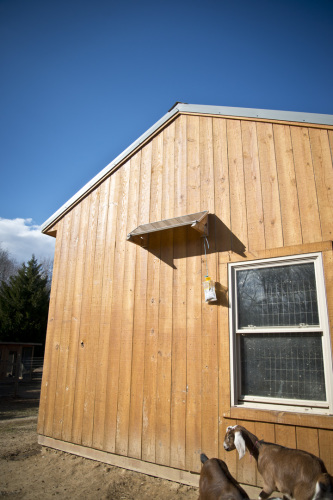
    When we decided to put up our barn there were the obvious questions: Where would it go? How large would it need to be? Yada yada yada. Well, after we had answered those questions there was one more. Do we need Electricity? This was a slightly complicated question, but in the end we came up with an answer that works for us… Solar Power.

    Solar 1 Blog

    We are always trying to do things that are going to be sustainable, but cost effective. Our barn is roughly 150 feet from our house. Given what we would need power for out there (a light or two, monitor, maybe a fan?), we decided it wasn’t cost effective to have power run all the way out. So we had it built without it and decided that we would figure it out later. Maybe we would look at solar power sometime in the future.

    Well, as it turned out, the future was sooner than I had thought. Through my old job outside of the house I had come to know the owner of a local solar power store. I happened to be doing some work at his office and I mentioned that I was thinking of putting solar in our barn. I asked him roughly what we would need to put in, mostly out of curiosity. What he told me is that we wouldn’t need nearly as much as I had thought. He ended up pulling together a few items for me and gave me a great deal on them as well. So for around $100 I walked out of there with almost everything I would need to get us started. Even though he gave me a great deal I’m sure you could find comparable prices from online retailers.

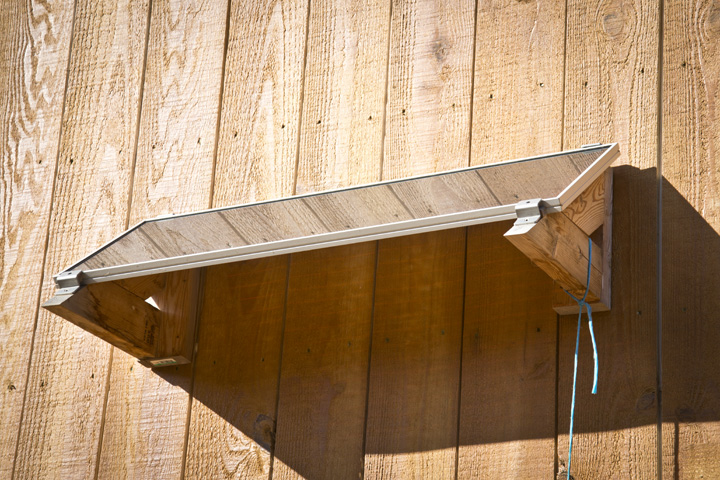
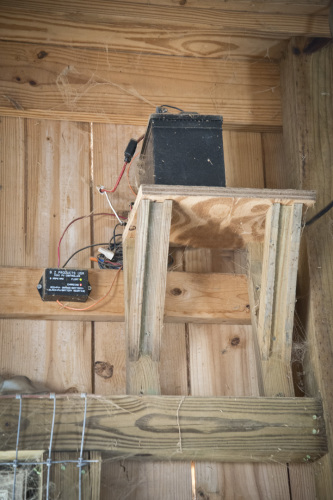
    The purchase included small 10-watt solar panel, in-line fuse, charge controller, 12v fluorescent ballast and an exterior light. My original plan was to put a cheap fluorescent hanging light in our barn, and the exterior light out on the front. What I ended up going with instead was an LED light fixture intended for an RV or camper. It should last longer without needing to change bulbs and uses a little less power. I also ended leaving off the exterior light, at least for now. So with the light, and the addition of a light switch and a riding lawnmower battery, we were in business.

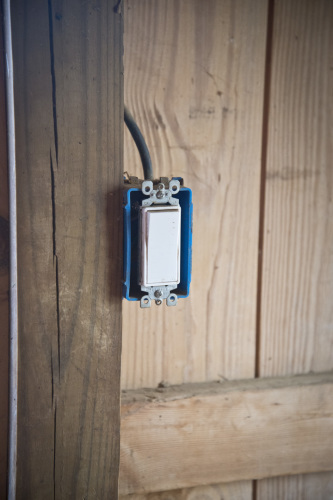
    So here is our basic setup. Solar Panel –> Charge Controller –> Fuse –> Tractor Battery –> Light Switch –> LED Light. For the wiring I used some 10-gauge heavy-duty speaker wire that I had leftover from my days of running sound systems for bands. It’s not ideal, but it was free and should be plenty capable of handling the voltage.

    So after it was all done we ended up with a solar-powered barn for a little under $200 dollars. I should have enough capacity to add the exterior light if we ever decide we need it. We don’t end up using the light much unless we get home super late and have to do farm chores in the dark, or during birthing. Honestly the goats or llamas turn it on more than we do. In hindsight I probably should have put the switch where they couldn’t lean or jump on it. For birthing this year we added a 12v power to a wireless intercom we have so that we could monitor the girls while we are in the house. This stayed on the entirety of kidding season without running out of power.

    So there you have it. That’s how you can have a solar powered barn light for less than $200 dollars.Solar 2 Blog

    Solar 4 Blog

    Solar 3 Blog

  • April’s “Other” Pictures

    So, I am getting these posted a little late this month. What can I say… It’s the start of the busy season. Here are the “other” pictures (the photographs that weren’t the “picture of the day” from our 365 project, but were still posted to our Instagram during the month of April). To follow the images from the farm in real time follow us on Instagram @Thefreckledfarm

    April Other pictures - The Freckled Farm Soap Company

  • Purchasing Goats from The Freckled Farm

    The first round of 2015 kids will be ready to go to new homes in the coming weeks. Any goats that are available for sale can be found here. If you are interested in coming to see our available kids or purchasing a goat please feel free to contact us.

    Goat Pricing:

    • Pure Bred Nubian Does – $250
    • American Nubian Does – $200
    • Pure Bred Nubian Bucks – $250
    • American Nubian Bucks – $150

    All goats come with papers and can be registered through the ADGA. Our American Does are phenomenal milkers. Our Pure Bred Does come from outstanding milking lines, but are first fresheners, so we can not speak to their milking habits as of yet, however they are currently producing well above average. Ruth is giving us over a gallon a day, and Sonia is giving us about 3/4 of a gallon…. both as first fresheners.

    If you do not already have a goat or at the very least another companion farm animal like a donkey, horse, llama, or alpaca we require that you purchase two goats. This can be two does, a doe and a wether (a castrated male), or two bucks. Goats are social animals and do not do well alone.

    The kids will have received one dose of BoSe, both doses of CDT, and a coccidiosis and worm prevention treatment. The kids will also be disbudded their first week of life and tattooed before pick up. We send all kids home with a week of feed. If you do not plan to use the same feed that we do (Sunrise Farms Goat Feed) this should be enough to help you transition them to their new feed. We will also give all purchasers a list of suggested suppliers and suggestions of how to care for their kids the first few months in their new home.

  • Meet the 2015 Spring Kids

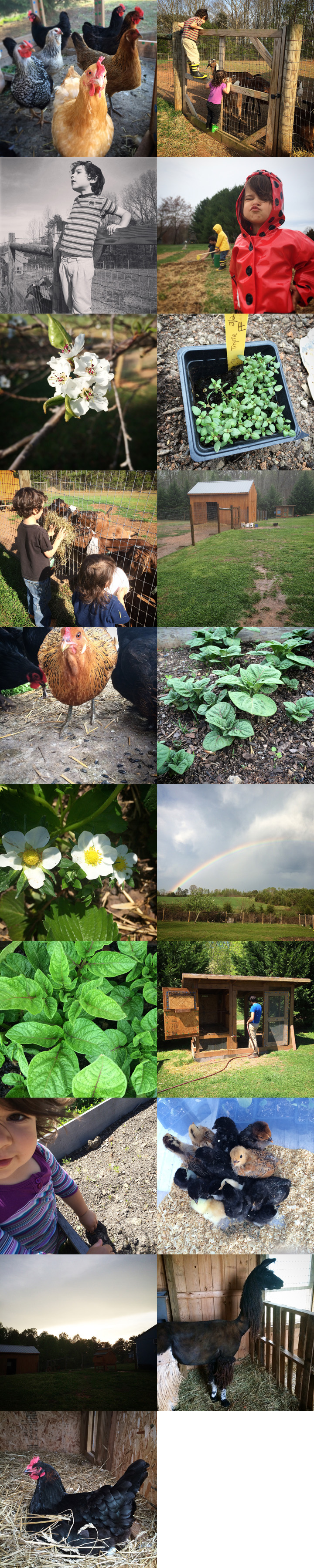
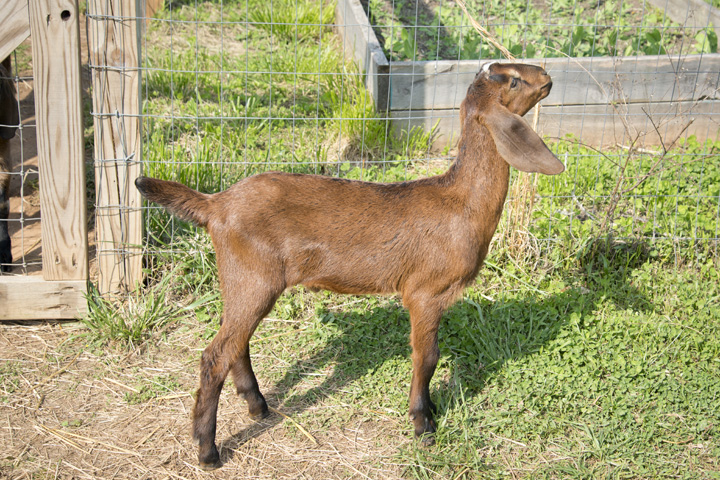
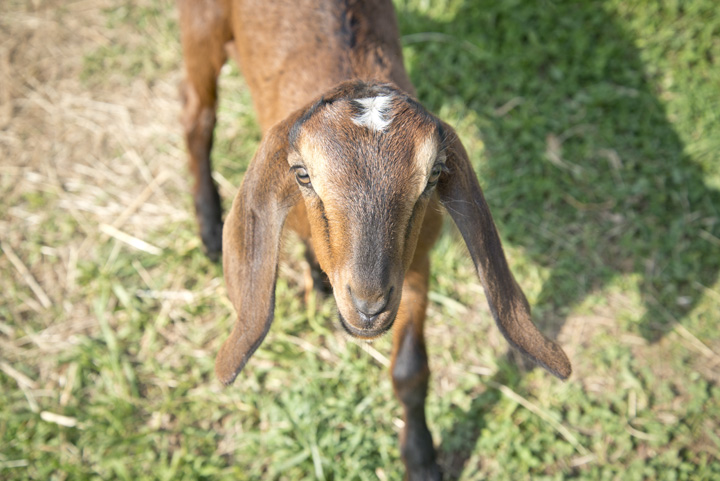
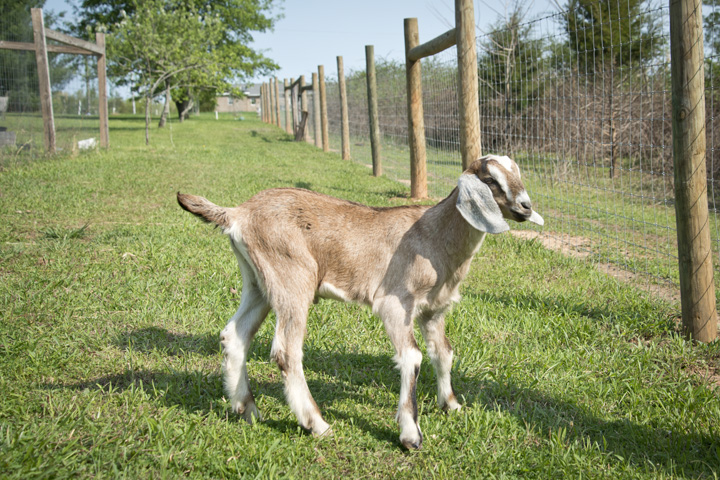
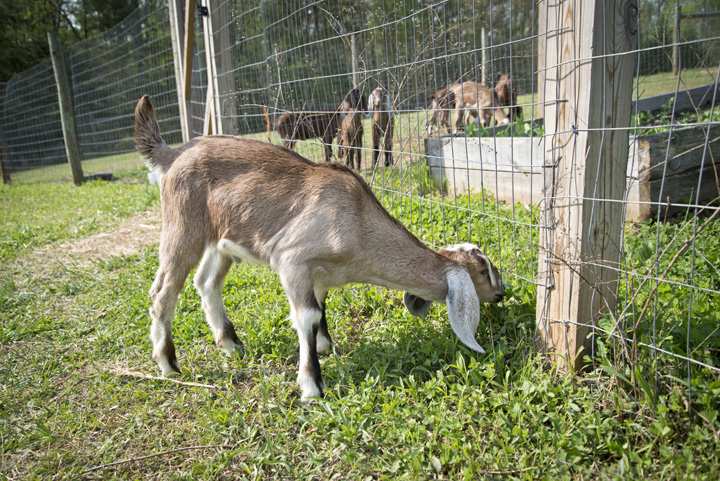
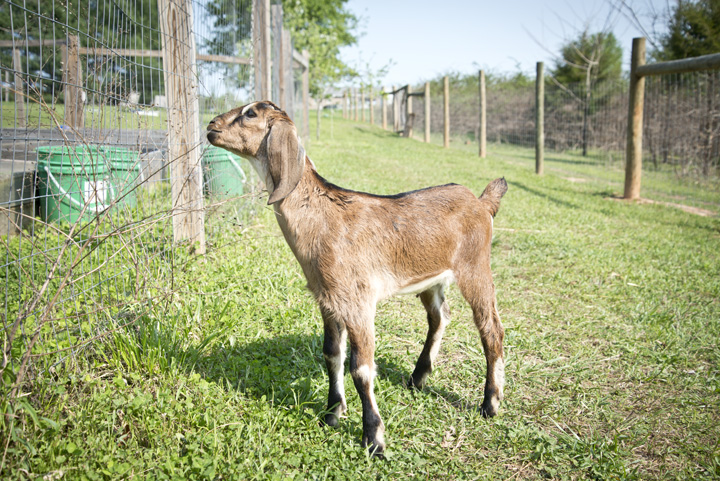
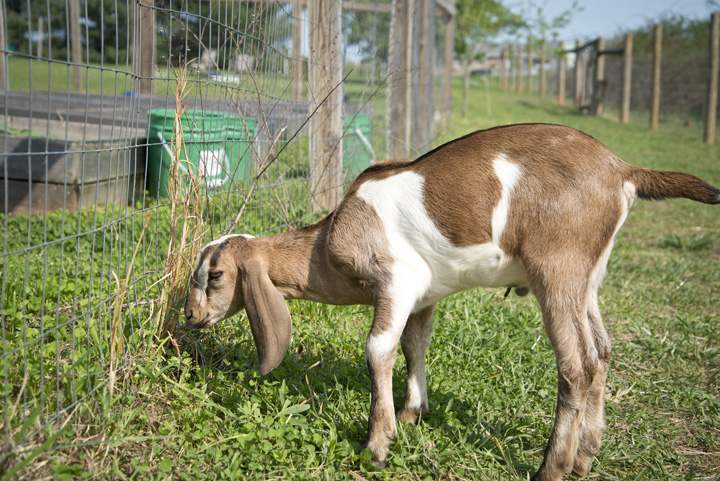
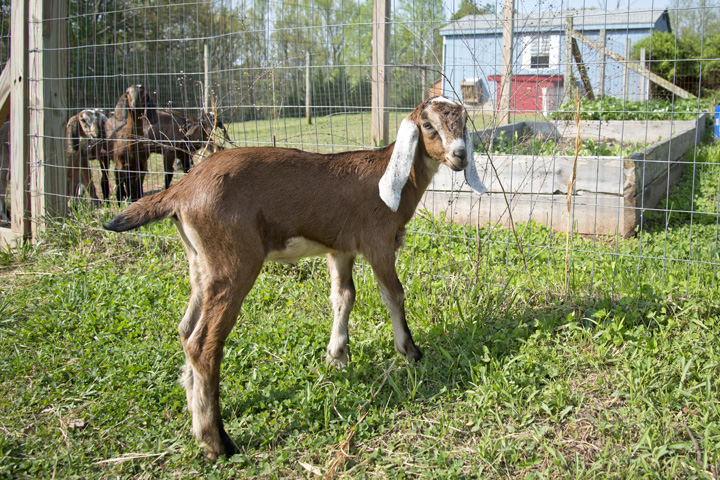
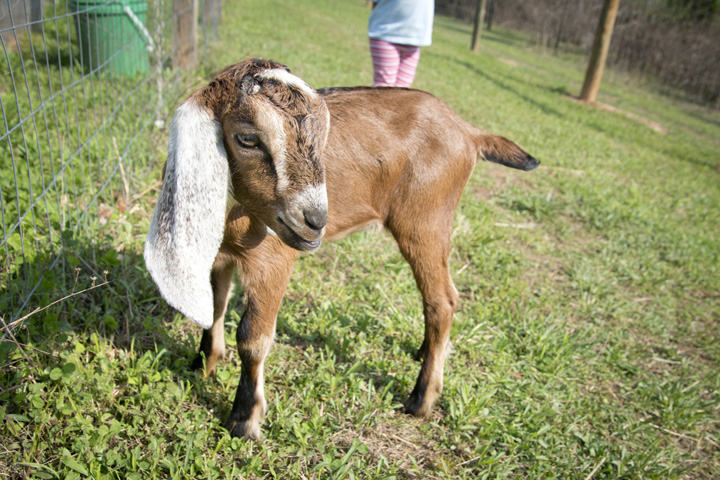
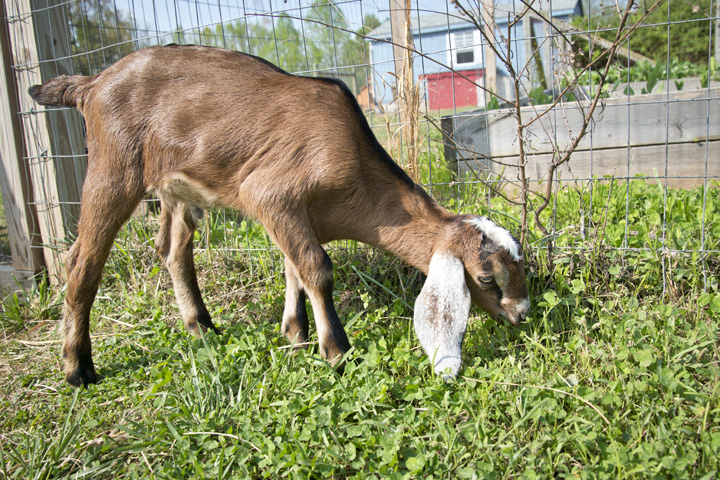
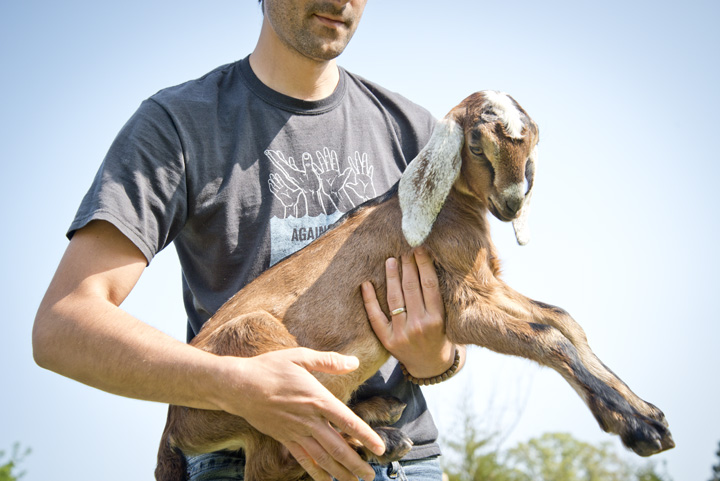
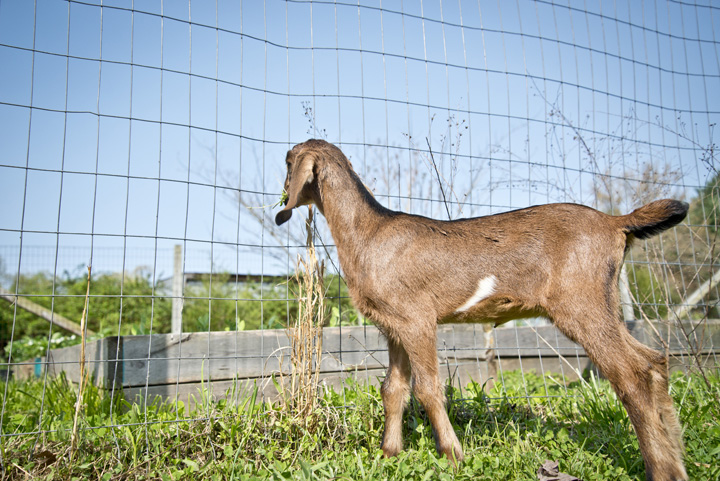
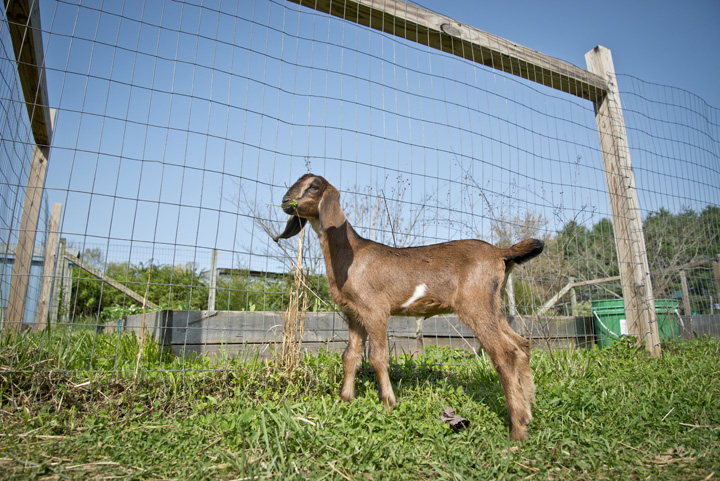
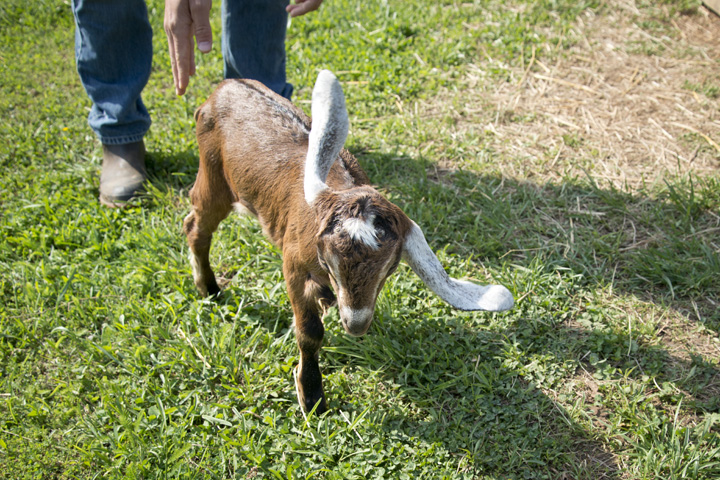
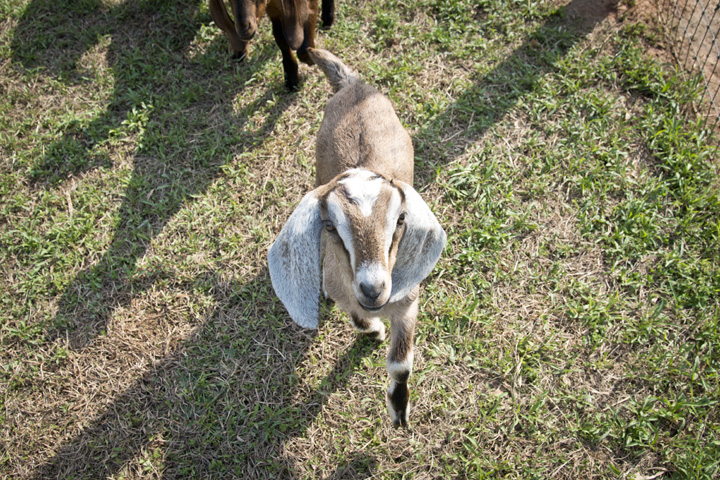
    We had an amazing kidding season this past March. Three of our girls kidded a total of eight kids! Two sets of triplets and one set of twins. Four bucks and four does. Four of these kids have already been sold, although they will remain on our farm until they are weaned, one doe was retained by us, and we still have three bucks available for sale. Meet these precious kids below. If you are interested in purchasing one of our available bucks feel free to email me.

    Gouda – Buck – Pure Bred Nubian – Sold to Money Pit Farms

    The Freckled Farm 2015 Goat Kids

    The Freckled Farm 2015 Goat Kids

    Feta – Doe – Pure Bred Nubian – Sold to Chickenberry Farm

    The Freckled Farm 2015 Goat Kids

    The Freckled Farm 2015 Goat Kids

    Buck 2 – Buck – Pure Bred Nubian – For Sale – $150

    Pure Bred Nubian Buck For Sale - The Freckled Farm

    The Freckled Farm 2015 Goat Kids

    Amelia (Millie) – Doe – Pure Bred Nubian – Retained 

    The Freckled Farm 2015 Goat Kids

    The Freckled Farm 2015 Goat Kids

    Buck 3 – Buck – Pure Bred Nubian – For Sale – $250

    The Freckled Farm 2015 Goat Kids

    The Freckled Farm 2015 Goat Kids

    Cheddar – Doe – American Nubian – Sold to Chickenberry Farm

    The Freckled Farm 2015 Goat Kids

    The Freckled Farm 2015 Goat Kids

    Buck 4 – Buck – American Nubian – For Sale $150

    The Freckled Farm 2015 Goat Kids

    The Freckled Farm 2015 Goat Kids

    Brie – Doe – American Nubian – Sold to Money Pit Farms

    Pure Bred Nubian - Sold to Money Pit Farms

    Pure Bred Nubian - Sold to Money Pit Farms

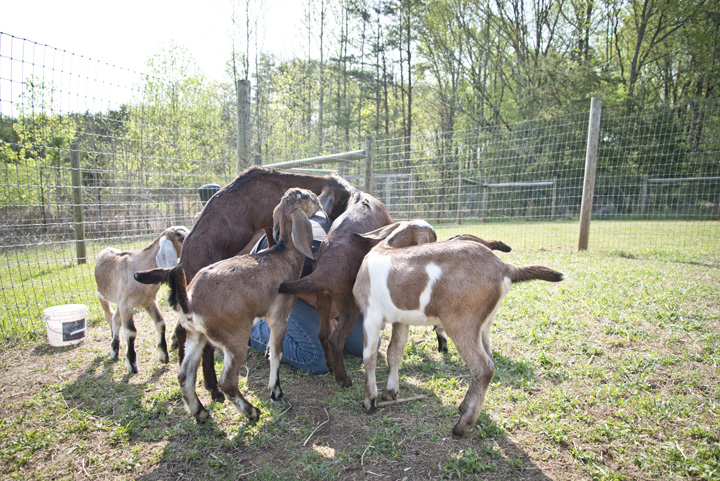
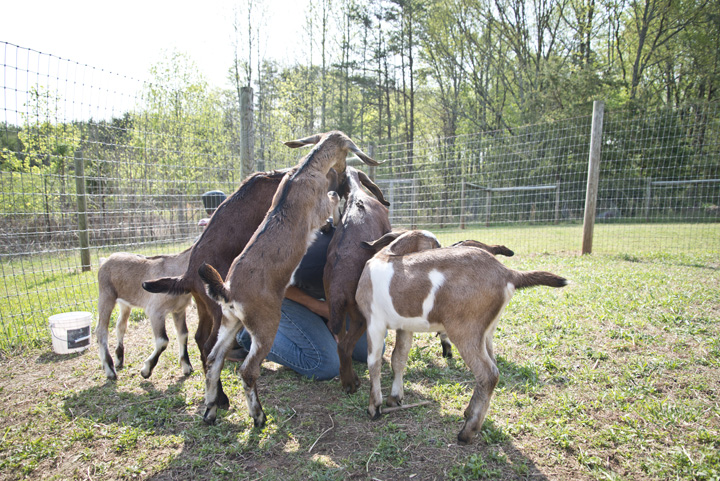
    And now…. Pictures of goat kids being goat kids….

    The Freckled Farm 2015 Goat Kids

    The Freckled Farm 2015 Goat Kids

    The Freckled Farm 2015 Goat Kids

    Kevin is in the middle of that goat pile:

    The Freckled Farm 2015 Goat Kids

    The Freckled Farm 2015 Goat Kids

  • Llama Shearing

    Every year, when the temperatures start to climb, we shear our guard llamas Afton and Blue Ridge. This keeps them cool during the dog days of summer. Since we do not have the equipment required to do the shearing ourselves the owners of Westerham Farm, where we purchased our llamas, come out each year to do it for us. We always enjoy seeing them, and having them see the boys!

    The pictures below are from our very first shearing in 2013!

    2013 llama shearing

  • Getting to Know… Easter Eggers

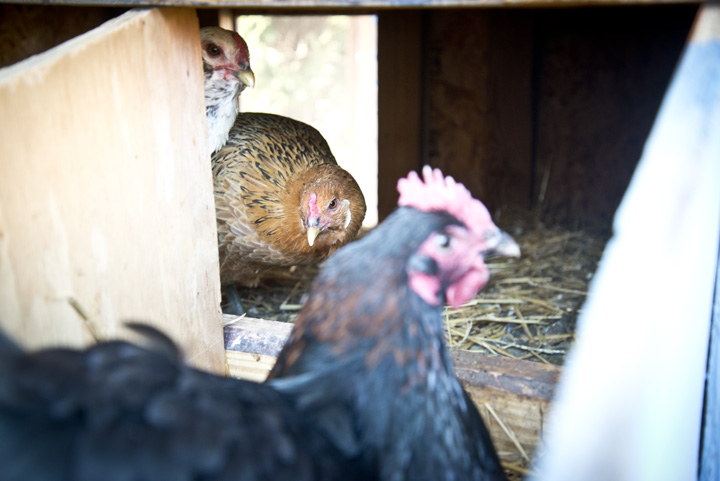
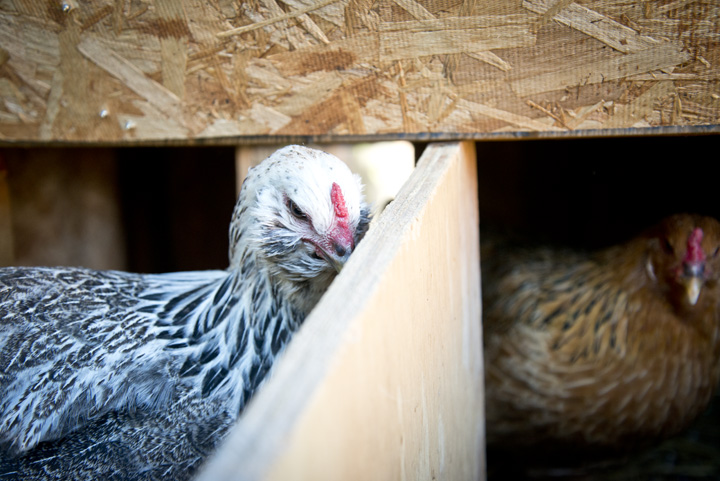
    Last week I introduced our Black Copper Maran chickens. When we purchased them last year we got the Easter Eggers at the same time. Easter Eggers are like the mutts of the chicken world. They are not seen as a pure bred chicken and are not recognized by the American Poultry Association. People often get them confused with Americanas. Easter eggers come in many different colors. So even chicks that are hatched from the same mom can look vastly different from their siblings. Although as a whole they generally have a fluffy collar and in most cases ornate markings. Easter Eggers also lay colorful eggs! They can be blue, green, brown, and sometimes pink. All three of our Easter Eggers lay green eggs.

    Easter Egger 1 Blog Easter Egger 2 blog

  • March “Other” Pictures

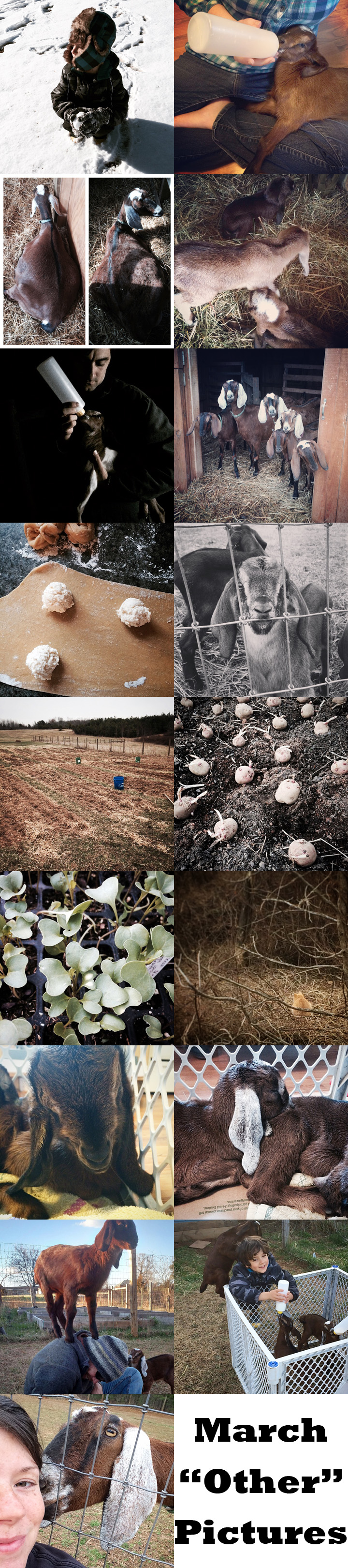
    Everyday we post a picture on Instagram (@TheFreckledFarm) for our 365 project, but many times (especially this month with the babies being born) we post pictures in addition to our “picture of the day.” These images don’t make it to the month’s round-up, so to avoid them getting lost in the shuffle for those who do not have Instagram, we collect the “other” pictures together once a month. Here are the other pictures from the month of March:

    March other pictures - The Freckled Farm

  • Getting to Know… The Marans

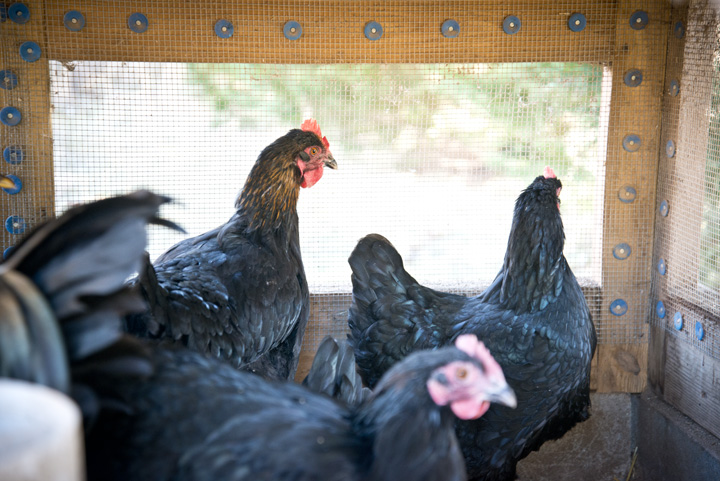
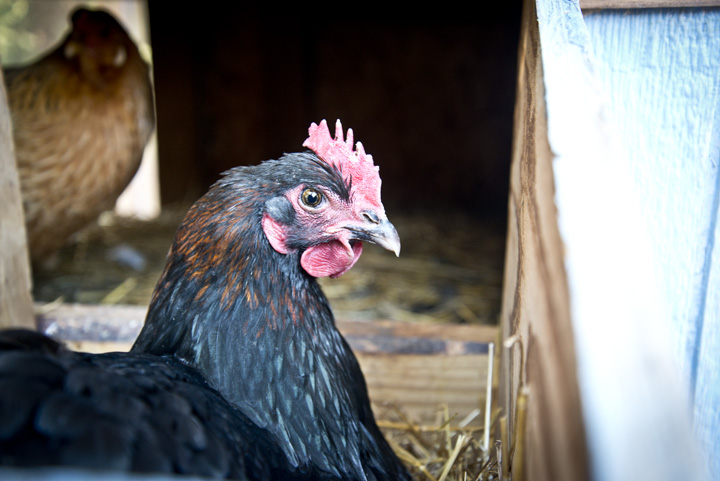
    When we first got chickens we purchased one of each breed that we found appealing. Each breed has different characteristics; how many eggs they tend to lay, temperament, how well they deal with heat and cold, etc. The idea was to figure out what breed we liked best and when we decided to order more we would get all of that breed. I was convinced that it was going to be the look and temperament of the bird that would attract me to a particular breed, but I was wrong! All the birds were funny and interesting to watch, regardless of what they looked like… It was the eggs that I was interested in. I love having a bunch of beautiful colorful eggs! I love the different shades of brown and green. So when it came time to add to our flock we ended up ordering a bunch of chickens of a breed that we hadn’t tried before… Black Copper Marans. Maran’s lay chocolate brown eggs!  At the same time we ordered more Easter Eggers, who lay green eggs. Now we have a beautiful mixture of green and light, medium, and dark brown eggs!

    The marans are funny birds. They all look so similar that I cannot tell them apart and because of this none of them have names… although once you have enough chickens naming them kinda goes out the window anyways. There are a few stand out though. We have “punk rock maran” who’s markings make her look like she has a mow hawk. We also have the “troublemaker,” who is always the one who is off somewhere and you have to search for her to get her in the coop at night. It’s been a fun breed to have and I absolutely love their eggs!

    Marans from The Freckled Farm Marans 2 Blog Marans 3 blog