Category: Advice

  • Exploring the Benefits of Tea Tree Essential Oil in Soap

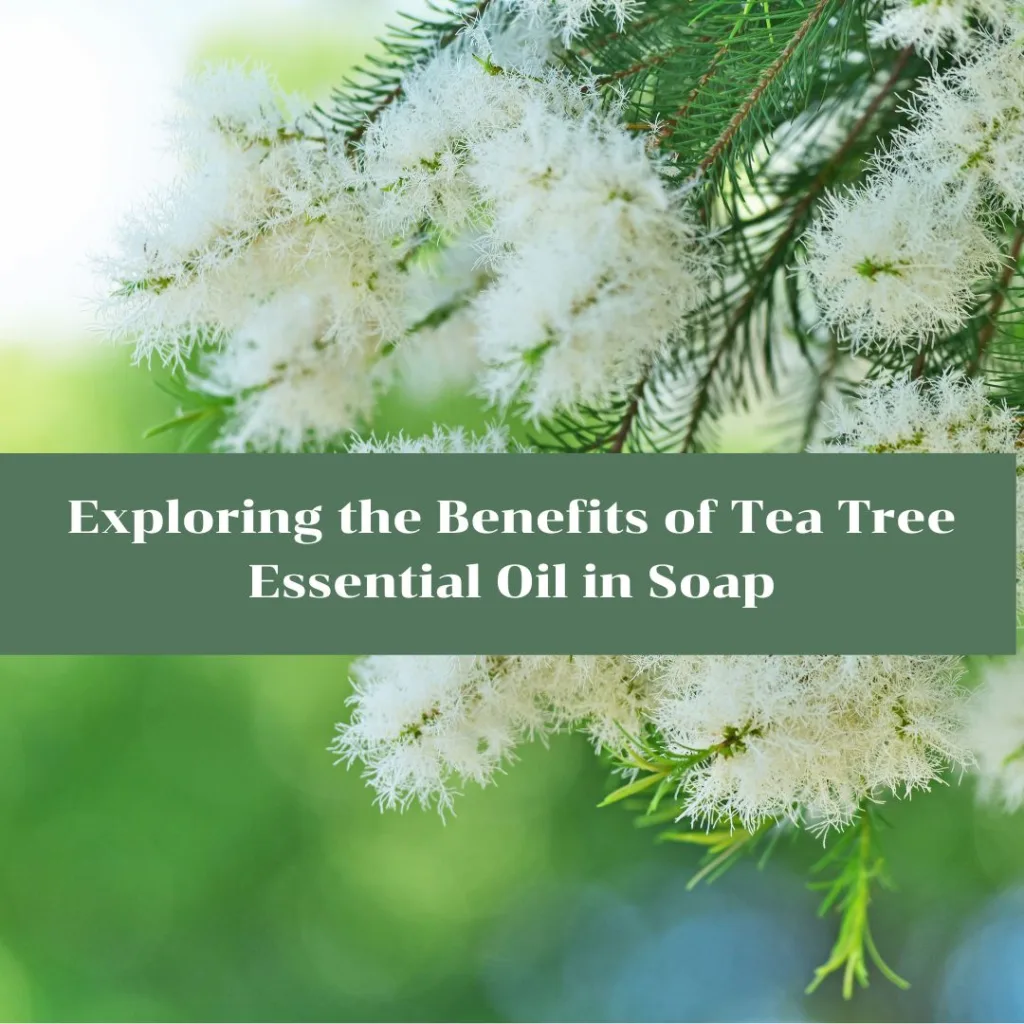
    Nature often provides us with incredible ingredients that enhance our well-being. Tea tree essential oil, derived from the leaves of the Melaleuca alternifolia tree, is a prime example. When infused into soap, tea tree essential oil offers a range of benefits for the skin, making it a valuable addition to your daily skincare routine. Let’s delve into the advantages of using tea tree essential oil in soap and why it’s a go-to ingredient for promoting healthy, radiant skin.

    The Potent Power of Tea Tree Essential Oil

    Tea tree essential oil has a long history of use in traditional medicine due to the belief that it offers antibacterial, antifungal, and anti-inflammatory properties. Its natural composition makes it a versatile ingredient that can address various skincare concerns. Here’s a closer look at why tea tree essential oil in soap is a beneficial choice for your skin:

    1. Natural Antiseptic and Antibacterial Properties

    Tea tree essential oil is believed to have antiseptic and antibacterial qualities. When infused into soap, it can help cleanse the skin by effectively combating harmful bacteria that may contribute to acne, breakouts, and skin infections.

    2. Acne-Fighting Benefits

    Tea tree essential oil is a popular choice for individuals dealing with acne-prone skin. It’s said to have the ability to unclog pores, regulate sebum production, and target acne-causing bacteria can contribute to a clearer and smoother complexion.

    3. Soothing Inflammation

    Inflammation is a common factor in many skin issues. Tea tree essential oil’s anti-inflammatory properties can help reduce redness, irritation, and swelling, making it a valuable ally for sensitive or compromised skin.

    4. Skin Balancing

    Tea tree essential oil’s gentle astringency helps balance the skin’s natural oil production, making it suitable for both oily and combination skin types.

    Tea tree essential oil’s remarkable properties have earned it a place of distinction in the realm of skincare. From its antibacterial and acne-fighting benefits to its soothing and antifungal effects, tea tree oil-infused soap offers a holistic approach to promoting healthy and radiant skin. Whether you’re targeting specific skin concerns or seeking to maintain overall skin health, tea tree essential oil in soap is a nurturing choice that supports the beauty of your skin’s natural vitality.

    Pick up a bar of our Tea Tree Goat Milk Soap or our Deep Space Goat Milk Soap which also contains Tea Tree Essential Oil and is designed to be a facial cleanser.
  • Why Use Bar Dish Soap?

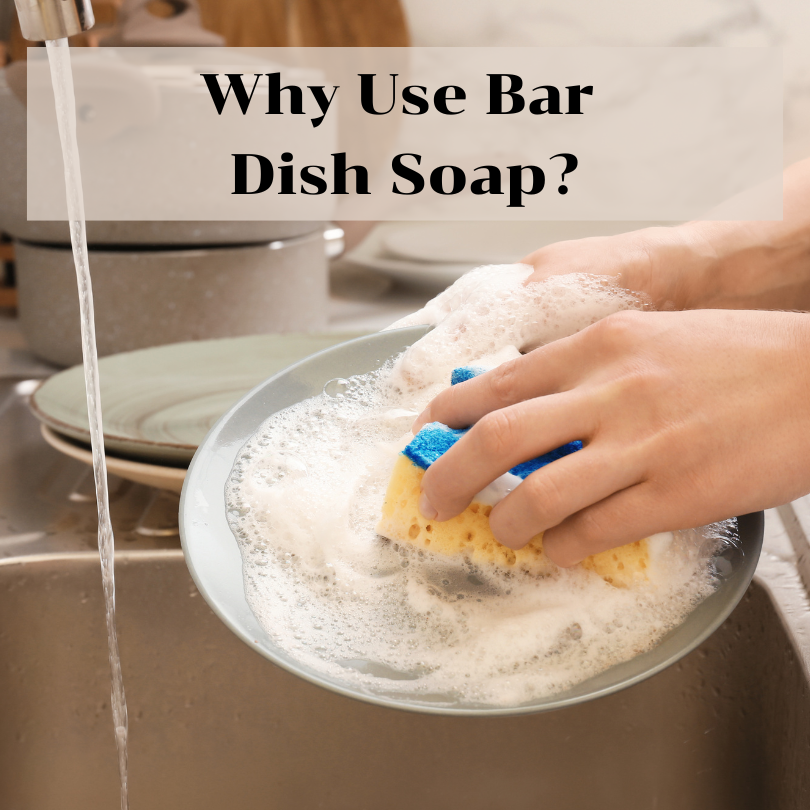
    In a world that’s becoming increasingly conscious of sustainability and environmental impact, it’s no surprise that many everyday products are undergoing a transformation to reduce waste and promote eco-friendliness. One such innovation is dish soap bars, like our Goat Milk Dish Soap Bars, a solid alternative to traditional liquid dish soap. Lets explore the numerous benefits of making the switch to a dish soap bar for your dishwashing needs.

    1. Reduced Plastic Waste

    Perhaps the most obvious benefit of using a dish soap bar is its minimal packaging. Unlike liquid dish soap, which typically comes in plastic bottles that contribute to the ever-growing plastic waste problem, dish soap bars are often sold in minimal or even plastic-free packaging. Our dish soaps come wrapped in a craft paper cigar band style packaging, with a sticker that is made of hemp. By choosing a bar like ours, you’re actively reducing your plastic footprint and helping to combat plastic pollution.

    1. Longevity

    Dish soap bars tend to last much longer than their liquid counterparts. A single bar can provide countless washes, which means you’ll need to replace it less frequently. This not only saves you money but also reduces the overall demand for dish soap production and packaging.

    1. Concentration and Efficiency

    Dish soap bars are highly concentrated, which means you need less product to get the job done. A little goes a long way, making them a cost-effective choice for your kitchen. Plus, their concentrated nature makes them efficient at cutting through grease and grime on your dishes, resulting in cleaner and shinier plates and cookware.

    1. Natural Ingredients

    Many dish soap bars are crafted with natural ingredients that are gentle on your hands and the environment. These ingredients often include plant-based oils, essential oils, and natural additives that are free from harsh chemicals and toxins. Using a natural dish soap bar can be particularly beneficial if you have sensitive skin.

    1. Versatility

    Dish soap bars aren’t just for washing dishes. They can also be used for a variety of cleaning tasks around the house. From cleaning countertops and stovetops to removing stains from clothing, their versatility makes them a valuable addition to your cleaning arsenal.

    1. Compact and Travel-Friendly

    If you love to travel or go camping, dish soap bars are a fantastic option. Their compact size and solid form make them easy to pack and transport without worrying about leaks or spills. You can even cut a small piece of the bar to take with you on your adventures.

    1. Supporting Sustainable Practices

    By purchasing dish soap bars, you’re supporting companies and artisans, like us, who prioritize sustainable practices. Many soap bar producers use ethically sourced ingredients and are committed to reducing their carbon footprint, which aligns with the growing demand for eco-conscious products.

    **Pick up one of our Dish Soap Starter packs to get everything you need for the switch over from liquid dish soaps.**

    The benefits of using a dish soap bar go beyond just convenience; they extend to environmental and personal well-being. By making the switch to this eco-friendly alternative, you can reduce plastic waste, save money, and enjoy the efficiency and versatility of a product that’s gentle on your hands and the planet. So, why not give a dish soap bar a try and contribute to a cleaner, greener future, one dish at a time?

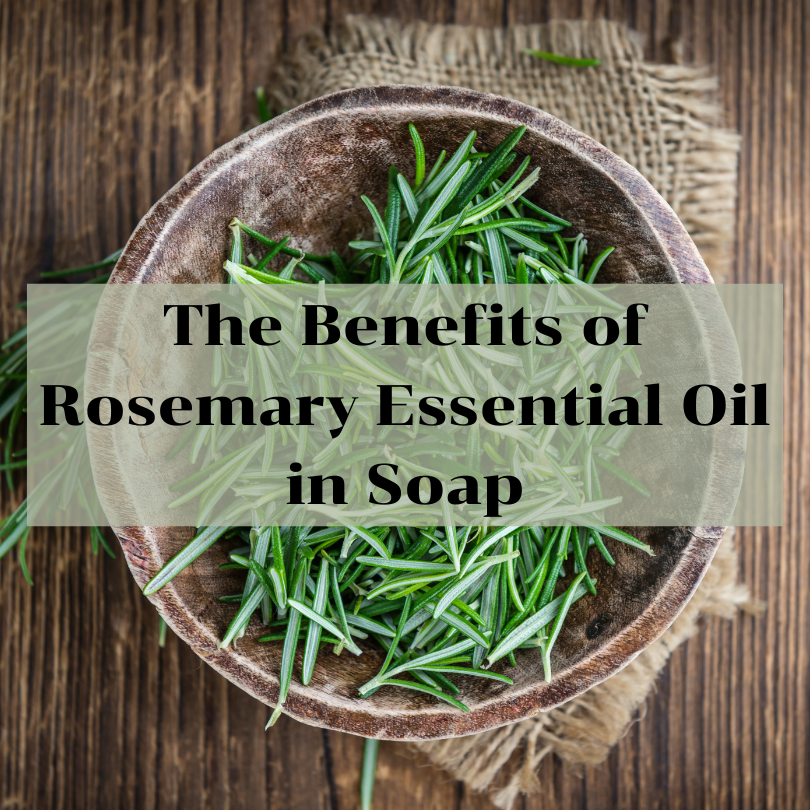
  • The Benefits of Rosemary Essential Oil in Soap

    Rosemary essential oil is a fragrant gem with a multitude of benefits. Derived from the aromatic leaves of the rosemary plant, this essential oil has been cherished for centuries for its versatile properties. When infused into soap, rosemary essential oil offers a sensory delight while delivering an array of advantages for your skin.

    The Aromatic Wonder of Rosemary

    Rosemary, with its woody and herbaceous scent, has been celebrated for its culinary and therapeutic uses throughout history. Its essential oil, extracted through steam distillation, captures the essence of this fragrant herb and brings it to life in skincare products. Let’s explore the specific benefits that rosemary essential oil brings when infused into soap:

    1. Clarifying and Balancing

    Rosemary essential oil’s astringent qualities can help clarify the skin by reducing excess oil and impurities. It’s particularly beneficial for those with oily or acne-prone skin as it aids in regulating sebum production and minimizing the appearance of pores.

    2. Soothing Irritation

    Rosemary essential oil’s anti-inflammatory properties make it a soothing choice for irritated or sensitive skin. It can help alleviate redness and inflammation.

    3. Scalp and Hair Care

    Beyond skincare, rosemary essential oil is also revered for its benefits to the scalp and hair. When used in soap, it can contribute to a healthy scalp and promote stronger, shinier hair.

    Incorporating Rosemary Essential Oil in Soap

    Including rosemary essential oil in your skincare routine can offer a range of benefits:

    1. Invigorating Shower: Use rosemary-infused soap during your shower to enjoy the refreshing and revitalizing aroma of this herb.
    2. Targeted Application: Apply rosemary-infused soap to areas of concern, such as oily T-zones or blemish-prone skin.
    3. Body Cleanse: Incorporate rosemary-infused soap into your body cleansing routine for overall skin clarity and balance.
    4. Scalp and Hair Care: Use rosemary-infused soap as a body and hair cleanser to reap its benefits for a healthy scalp and lustrous hair.

    At The Freckled Farm Soap Company we have three soaps that contain rosemary essential oil; Rosemary Mint, Sunrise Citrus, and Deep Sea Goat Milk Soaps.

    Rosemary essential oil’s exquisite aroma and remarkable benefits make it a prized addition to skincare products. Embrace the elegance of rosemary and let its natural wonders enhance your skincare ritual. Whether you seek to address specific skin concerns or simply indulge in the aromatic allure of this herb, rosemary essential oil in soap is a botanical treasure that embodies both beauty and wellness.

  • Are Hot Showers Bad for Your Skin?

    Hot showers are often a comforting and relaxing part of our daily routine. However, concerns have been raised about their potential negative effects on the skin. In this blog post, we will explore the impact of hot showers on the skin and uncover the truth behind whether they are truly detrimental or simply require a balanced approach.

    1. Stripping Natural Oils: One of the main concerns associated with hot showers is their tendency to strip the skin of its natural oils. Prolonged exposure to hot water can disrupt the skin’s lipid barrier, leading to dryness, tightness, and potential irritation. This can be particularly problematic for individuals with pre-existing dry skin conditions.
    2. Increased Moisture Loss: Hot water can accelerate the evaporation of moisture from the skin’s surface. This can leave the skin feeling dehydrated and contribute to a compromised moisture balance. Over time, excessive moisture loss can lead to a weakened skin barrier, making it more susceptible to environmental irritants and allergens.
    3. Aggravation of Skin Conditions: If you have sensitive or inflammatory skin conditions such as eczema, rosacea, or psoriasis, hot showers can potentially exacerbate symptoms. The heat can dilate blood vessels and trigger flushing, itching, and redness. It is advisable to consult with a dermatologist to determine the optimal shower temperature and duration for your specific skin condition.
    4. Impact on Acne: Hot showers may not be the best choice for individuals with acne-prone skin. The heat can increase blood flow to the skin, potentially exacerbating inflammation and acne breakouts. Warm water is generally recommended for cleansing acne-prone skin to avoid overstimulation.
    5. Maintenance of Skin’s Natural pH: Hot showers can disrupt the skin’s natural pH balance. The hot water’s alkaline properties can strip away the slightly acidic protective layer of the skin, leaving it vulnerable to dryness, irritation, and potential bacterial growth. It is crucial to follow up with a gentle, pH-balanced cleanser and moisturizer after a hot shower to restore the skin’s optimal pH.
    6. Finding the Right Balance: While hot showers may have potential drawbacks, finding the right balance is key. Opting for warm showers instead of scalding hot ones can help minimize the adverse effects on the skin. Limiting the duration of your showers and using gentle, hydrating cleansers can further mitigate any potential damage to the skin’s moisture barrier.

    While indulging in a hot shower can be a comforting experience, it is important to be aware of the potential impact on your skin. By practicing moderation, using warm water, and maintaining a proper skincare routine, you can minimize any potential negative effects. Ultimately, understanding your skin’s unique needs and finding the right balance will help you enjoy your shower while keeping your skin healthy, hydrated, and radiant.

  • Daily Habits That Harm Your Skin

    We all strive for healthy, glowing skin, but sometimes our daily habits unknowingly work against our skincare goals. Certain routine activities can have a negative impact on our skin’s health and appearance. Our goal with this post is to shed light on some common everyday habits that are bad for your skin, helping you identify and address these skin saboteurs for a more radiant complexion.

    1. Sleeping with Makeup On:

    After a long day, it’s tempting to skip the makeup removal process and hit the pillow. However, leaving makeup on overnight can clog pores, lead to breakouts, and contribute to dull skin. Always make it a priority to cleanse your face and remove all makeup before bed to allow your skin to breathe and rejuvenate while you sleep.

    1. Overexposure to the Sun:

    Excessive sun exposure without proper protection can lead to a multitude of skin problems, including premature aging, sunburn, dark spots, and an increased risk of skin cancer. Make sure to apply broad-spectrum sunscreen with a high SPF, wear protective clothing, and seek shade during peak sun hours to shield your skin from harmful UV rays.

    1. Picking at Blemishes:

    We’ve all been tempted to squeeze or pick at a pimple, but this habit can worsen the situation. Picking at blemishes can introduce bacteria, cause inflammation, and potentially lead to scarring. Instead, practice gentle cleansing, use targeted acne treatments, and let blemishes heal naturally to minimize potential damage.

    1. Smoking:

    Smoking is detrimental to overall health, and its impact on the skin is no exception. Smoking narrows blood vessels, reducing blood flow and depriving the skin of essential oxygen and nutrients. This can lead to a dull complexion, fine lines, wrinkles, and a higher risk of skin cancer. Quitting smoking or avoiding secondhand smoke can significantly improve your skin’s health and appearance.

    1. Poor Nutrition and Dehydration:

    A balanced diet and proper hydration are crucial for healthy skin. Consuming excessive sugar, processed foods, and unhealthy fats can contribute to inflammation and skin issues. Additionally, inadequate water intake can leave your skin dehydrated and lacking a radiant glow. Focus on a diet rich in fruits, vegetables, lean proteins, and healthy fats, while ensuring you drink enough water daily to support your skin’s health from within.

    1. Harsh Cleansing and Excessive Exfoliation:

    While it’s important to keep your skin clean, overdoing it can strip away natural oils and disrupt the skin’s barrier function. Avoid harsh cleansers that can cause dryness and irritation, and opt for gentle, pH-balanced products suitable for your skin type (like our goat milk soaps). Similarly, excessive exfoliation can lead to redness, sensitivity, and micro-tears in the skin. Stick to a regular exfoliation routine that suits your skin’s needs, typically 1-2 times per week.

    Taking care of your skin involves not only adopting beneficial habits but also recognizing and avoiding detrimental ones. By being mindful of daily activities that harm your skin, such as sleeping with makeup on, overexposure to the sun, picking at blemishes, smoking, poor nutrition, and harsh cleansing/exfoliation, you can make positive changes to protect and improve your skin’s health. Embrace healthy skincare practices, and your skin will thank you with a radiant and youthful appearance for years to come.

  • Summer Skin Care: Essential Tips for Healthy and Radiant Skin

    As the sun shines brightly and the temperatures rise, it’s time to give our skin some extra TLC during the summer months. The combination of heat, humidity, and increased sun exposure can pose unique challenges to our skin’s health and appearance. In this blog post, we will explore essential summer skin care tips and practices to help you maintain healthy, hydrated, and glowing skin throughout the season.

    1. Sun Protection:

    The summer sun can be harsh on your skin, leading to sunburn, premature aging, and an increased risk of skin cancer. Protecting your skin from harmful UV rays is crucial. Apply a broad-spectrum sunscreen with an SPF of 30 or higher before heading outdoors, and reapply every two hours, especially if you’re swimming or sweating. Don’t forget to shield your face with a wide-brimmed hat and wear sunglasses to protect your delicate eye area.

    1. Hydration is Key:

    Hot weather and increased outdoor activities can dehydrate your skin. Stay hydrated by drinking plenty of water throughout the day to maintain optimal moisture levels. Additionally, incorporate hydrating skincare products into your routine. Look for lightweight, water-based moisturizers and facial mists to replenish and refresh your skin. Avoid hot showers and opt for lukewarm water, as hot water can strip away oils, leading to dryness.

    1. Gentle Cleansing:

    Sweat, sunscreen, and environmental pollutants can accumulate on your skin during summer. Proper cleansing is crucial to remove impurities and prevent clogged pores. Use a gentle cleanser twice a day to wash away dirt and excess oil. Avoid harsh or abrasive scrubs that can irritate your skin. Opt for natural ingredients like aloe vera or cucumber to soothe and cool your skin.

    Our Summer Goat Milk Soap is made especially for this time of year. In additional to our normal oils and goat milk, this bar contains aloe and green tea, making it soothing and highly moisturizing.

    1. Exfoliation:

    Regular exfoliation helps to slough off dead skin cells, keeping your complexion fresh and bright. However, be mindful of not over-exfoliating, as it can lead to skin irritation. Choose a gentle exfoliator suitable for your skin type and use it once or twice a week. Exfoliating can also help prepare your skin for better absorption of moisturizers and other skincare products.

    1. Lightweight Makeup:

    During summer, heavy makeup can clog your pores and make your skin feel suffocated. Opt for lightweight and oil-free makeup products, such as tinted moisturizers or BB creams, that provide coverage while allowing your skin to breathe. Consider using waterproof or water-resistant formulas to prevent makeup from smudging or melting in the heat.

    1. Cool Showers and Hydration Masks:

    After a day in the sun, treat your skin to a refreshing cool shower. Not only will it help lower your body temperature, but it will also soothe your skin. Additionally, indulge in hydrating face masks once or twice a week to replenish moisture and give your skin a revitalizing boost.

    1. Stay in the Shade:

    Seek shade during peak sun hours, usually between 10 am and 4 pm when the sun’s rays are the strongest. This will minimize your exposure to harmful UV radiation and reduce the risk of sunburn and skin damage. Take breaks indoors, sit under an umbrella, or wear protective clothing to shield your skin from direct sunlight.

    Taking care of your skin during the summer is essential for maintaining its health, hydration, and radiance. By incorporating these tips into your skincare routine, you can protect your skin from sun damage, dehydration, and other summer-related challenges. Remember to prioritize sun protection, hydrate your skin, and adjust your skincare regimen to suit the season. Embrace the beauty of summer while keeping your skin healthy, glowing, and ready to enjoy the sunny days ahead.

  • The Hidden Dangers of Antibacterial Soap: Why It’s Time to Rethink Your Handwashing Routine

    In our pursuit of cleanliness and hygiene, antibacterial soap has become a staple in many households. We’ve been led to believe that these products are essential for killing germs and keeping us safe from harmful bacteria. However, emerging research and expert opinions suggest that the use of antibacterial soap may actually do more harm than good. In this blog post, we will explore the hidden dangers of antibacterial soap and why it’s crucial to reassess our handwashing routine for the sake of our health and the environment.

    1. Disruption of the Microbiome:

    One of the most significant concerns surrounding antibacterial soap is its potential to disrupt the delicate balance of our skin’s microbiome. Our skin is naturally home to a diverse community of beneficial bacteria that help protect against pathogens and maintain healthy skin. Antibacterial soaps contain ingredients that indiscriminately kill both harmful and beneficial bacteria, disrupting this delicate ecosystem. This disruption can lead to imbalances, skin irritation, and increased vulnerability to infections.

    1. Antibiotic Resistance:

    The widespread use of antibacterial agents contributes to the rise of antibiotic resistance. Antibiotics and antibacterial substances work by targeting and killing bacteria, but overexposure to these agents can lead to the development of resistance in bacteria. This resistance renders antibiotics less effective when treating serious infections, posing a significant public health concern. By using antibacterial soap unnecessarily, we contribute to this growing problem and limit the effectiveness of crucial medical interventions.

    1. Environmental Impact:

    Antibacterial soap doesn’t just affect our bodies; it also poses risks to the environment. When we wash our hands or rinse off antibacterial products, the active ingredients can enter wastewater systems. These chemicals are often difficult to remove during wastewater treatment processes, leading to their release into rivers, lakes, and oceans. This can have adverse effects on aquatic ecosystems, potentially disrupting the balance of microorganisms and harming aquatic life.

    1. Skin Irritation and Dryness:

    Many antibacterial soaps contain harsh chemicals and detergents that can strip the skin of its natural oils, leading to dryness, irritation, and even conditions like eczema. The repeated use of these soaps can compromise the skin’s barrier function, making it more susceptible to external irritants and allergens. Opting for gentle, non-antibacterial soaps can help maintain the skin’s natural moisture balance and reduce the risk of skin problems.

    1. Insufficient Evidence of Effectiveness:

    Despite the widespread use of antibacterial soap, there is limited evidence to support its superiority over regular soap and water. The U.S. Food and Drug Administration (FDA) has stated that there is no conclusive evidence that antibacterial soaps are more effective than plain soap and water in preventing illness. In 2016, the FDA banned the use of certain antibacterial ingredients, including triclosan, in over-the-counter consumer soaps due to concerns over their safety and effectiveness. Our soap, and other natural soaps like it, work just as well getting your hands and body clean and germ free.

    While the allure of antibacterial soap may be strong, it’s crucial to recognize the potential harm it can cause. By making informed choices, we can prioritize our health, protect the environment, and promote a more balanced approach to personal hygiene.

  • 5 Reasons to Use Bar Shampoo on Your Dog Instead of Liquid Shampoo

    Frankie getting a bath with our Canine Shampoo!

    When it comes to grooming our furry friends, choosing the right shampoo can make all the difference. While traditional liquid shampoos have been the norm for decades, a new alternative is making waves in the pet grooming industry: bar shampoo.

    While it may seem odd to use a bar soap on a dog, there are actually many benefits to this method of bathing. In this blog post, we’ll explore why bar shampoo is a better option for your dog than liquid shampoo.

    1. Environmental Friendliness

    One of the biggest advantages of using a bar shampoo for your dog is the environmental impact. Traditional liquid shampoos come in plastic bottles that are often not recyclable, leading to a huge amount of plastic waste. In contrast, bar shampoos, like ours, are packaged in paper or cardboard, which can be easily recycled or composted.

    1. Longevity

    Another advantage of bar shampoo is that it lasts longer than liquid shampoo. When you use liquid shampoo it feels like you need to put a ton on them because it is not as easy to move it around the dog’s body. Since you don’t need to use as much product to get a good lather, a single bar can last much longer than a bottle of liquid shampoo. This means that you’ll save money in the long run and won’t need to buy shampoo as frequently.

    1. Ease of Use

    While it may seem like using a bar shampoo would be more difficult than a liquid, it’s actually quite easy. Simply wet your dog’s fur, rub the bar of soap onto their coat, and lather as usual. Since the bar is easier to grip than a slippery bottle, it can actually be easier to use and get an even distribution of soap when you’re trying to hold onto a wriggling dog.

    1. Natural Ingredients

    Our Canine Goat Milk Soap is made with all-natural ingredients, which can be beneficial for your pet’s health. Traditional liquid shampoos often contain harsh chemicals that can strip your dog’s coat of its natural oils and cause dryness or irritation.

    1. Portability

    If you’re someone who likes to take their dog on the go, bar shampoo is a great option. Since it doesn’t come in a bulky bottle, it’s much easier to pack in your bag or take with you on camping trips or hikes. It also won’t leak out into your bag!

    There are many reasons why bar shampoo is a better option for your dog than liquid shampoo. From environmental friendliness to natural ingredients and ease of use, bar shampoo is a great choice for anyone looking to give their furry friend a good bath.

  • 4 Reasons to Switch to Natural Soap

    As we become more conscious of what we put in and on our bodies, natural soaps are gaining popularity. Traditional soaps that are widely available in stores often contain harsh chemicals and synthetic fragrances that can be harmful to both our skin and the environment. Switching to natural soaps is not only better for our health but also for the planet. In this blog post, we will explore the reasons why you should consider using natural soaps.

    1. No Harsh Chemicals

    The majority of commercial soaps contain harsh chemicals that can cause skin irritation, allergic reactions, and even contribute to chronic health problems. Many of these chemicals are synthetic, and when they are washed down the drain, they can contaminate waterways and harm aquatic life. Natural soaps, on the other hand, are made from plant-based ingredients, such as coconut oil, olive oil, and shea butter. They contain no artificial colors, fragrances, or preservatives.

    2. Better for Sensitive Skin

    If you have sensitive skin, you know how challenging it can be to find a soap that won’t cause irritation. Natural soaps are often gentler on the skin because they contain nourishing ingredients that help moisturize and soothe dry or irritated skin. Additionally, natural soaps are often unscented, which means that they are less likely to cause allergic reactions.

    3. Environmental Benefits

    The chemicals found in commercial soaps can have a significant impact on the environment. When these chemicals are washed down the drain, they can end up in waterways, polluting rivers and oceans. Natural soaps, on the other hand, are biodegradable, which means that they break down easily and don’t harm the environment.

    4. Supporting Small Businesses

    Many natural soap makers, like us, are small businesses that rely on local ingredients and suppliers. By purchasing natural soaps, you are not only supporting small businesses but also helping to reduce the carbon footprint associated with shipping products long distances.

    In conclusion, natural soaps are a safer, healthier, and more eco-friendly alternative to traditional soaps. By making the switch to natural soaps, you can take care of your skin while also taking care of the planet. So, next time you’re shopping for soap, consider opting for a natural option – your skin and the environment will thank you!

  • Going Nose Blind

    We recently had a customer ask if we were using less essential oils in his favorite soap variety. This answer is of course no. We haven’t changed our recipe in any way. I tried to figure out why he might not be smelling his soap as strongly as he once did and the most obvious answer, the reason we ourselves can’t smell our soaps as strongly as we once could, for some reason didn’t immediately come to my mind, so I thought it might be a good topic to cover on the blog… Going Nose Blind…

    When we are around a particular scent all the time we begin to ignore it. That is why you can’t smell your own house. When guests come over to our home they always comment about how wonderful it smells… probably because some of the soap is stored in the soap office. To us our house smells like an ordinary home that children live in (if you know what I mean). We can’t smell most of our soaps unless they are new or right up against our noses. While you aren’t exposed to our soaps at the same level that we are this can begin to happen to you if you are consistently using the same variety of soap. If you are used to our soap filling your bathroom with a lovely scent then it will likely always fill the room in the same way, but over time you will begin to notice it less and less. Your guest will get to enjoy the robust scent of the soap sitting in your bathroom in the way you used to whether you can smell it or not.

    So how do you avoid going nose blind to your favorite scent? Switch up the soaps that you use! We have seventeen different permanent varieties for you to choose from, our seasonal varieties that come out throughout the year, and new varieties that we debut each year. If you are noticing that your favorite variety isn’t smelling as strong as you are used to, switch up the soap that you use for a bar or two and then go back. Your favorite soap will go back to smelling as strong and as lovely as you are used to!

    SaveSave

    SaveSave

    SaveSave