Category: Advice

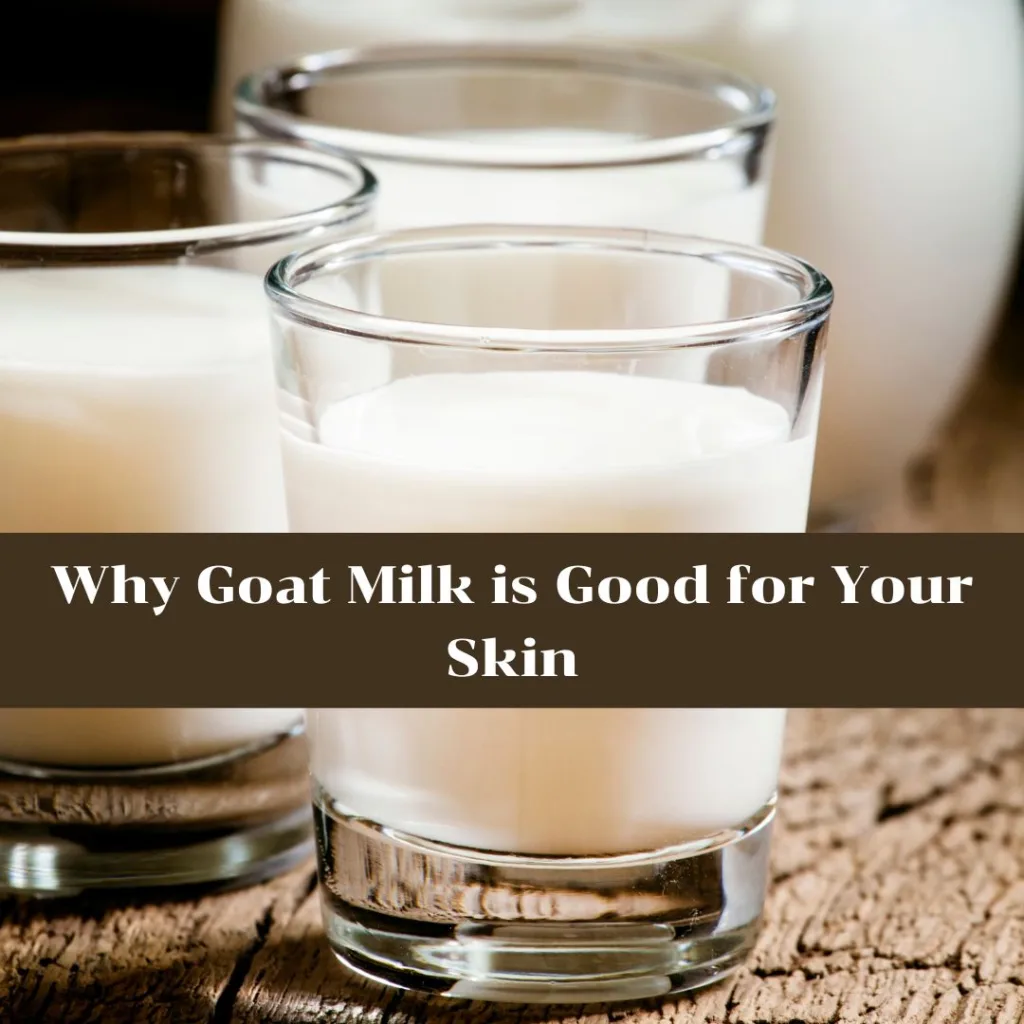
  • Why Goat Milk is Good for Your Skin

    For centuries, goat milk has been celebrated for its nourishing properties and remarkable effects on the skin. Let’s delve into why goat milk is so good for your skin, and why incorporating it into your skincare routine can work wonders for your complexion.
    1. Abundance of Nutrients

    In most cases, when goat milk is used in skin care products it replaces water in the recipe. This means it is already coming to the table with a lot more to offer. Goat milk is a treasure trove of essential nutrients that promote healthy skin. It contains vitamins like A, B1, B6, B12, C, D, and E, as well as minerals such as selenium, zinc, and copper. These nutrients work together to cleanse and hydrate your skin.

    1. Natural Moisturizer

    The natural fat content in goat milk is exceptionally moisturizing, making it an excellent choice for dry or sensitive skin. The fatty acids present in goat milk are similar to those found in human skin, allowing for easy absorption without clogging pores. Regular use of goat milk soap or lotions can leave your skin feeling supple, hydrated, and glowing.

    1. Gentle Exfoliation

    Goat milk contains alpha-hydroxy acids (AHAs), such as lactic acid, which act as a mild exfoliant. AHAs help remove dead skin cells, unclog pores, and promote smoother, brighter skin. Unlike harsh chemical exfoliants, goat milk gently rejuvenates the skin without causing irritation, making it suitable for even the most sensitive skin types.

    1. Soothes and Calms Irritation

    The proteins and fat molecules in goat milk form a protective barrier on the skin, helping to reduce inflammation and redness. Additionally, the gentle cleansing action of goat milk helps to maintain the skin’s natural pH level, preventing further irritation.

    Whether you choose to use goat milk soap, lotions, or incorporate it into your DIY skincare recipes, the benefits of goat milk for your skin are undeniable. Embrace this age-old beauty secret and experience the magic of goat milk as it nourishes, rejuvenates, and protects your skin, revealing a naturally radiant and glowing you. So, give your skin the love and care it deserves with the wholesome goodness of goat milk.

  • Understanding Lye: Separating Fact from Fiction on Its Safety

    Lye, also known as sodium hydroxide or potassium hydroxide, is a chemical compound that has been used for centuries in various industries, including soap-making. However, there is often confusion and concern surrounding its safety. On a fairly regular bases we get emails or messages on social media asking if we use lye in our soap. Most of the time the individual is on the hunt to find a soap bar where lye, or any other lye like product, hasn’t been used in the soap making process. Unfortunately, if this is their goal they are not going to be successful in their search.

    Legally, in order to call your product “soap” it must be made with a fatty acid (animal fats or plant oils) that is combined with alkali (commonly sodium hydroxide or potassium hydroxide – Lye). The good news is if the soap was made properly no lye is present in the final product.

    In this blog post, we aim to shed light on the topic and provide a balanced perspective on the safety of lye and separate the fact from fiction.

    Understanding Lye:

    Lye is a strong alkali that is highly reactive and can be caustic in its concentrated form. It is used in soap-making to initiate the saponification process, which transforms fats or oils into soap. When handled with caution and used in appropriate quantities, lye is an essential component in producing safe and effective soap. The good news is, when soap is made properly, the lye is not present in the final product.

    Safety Precautions:

    It is crucial to handle lye with care due to its caustic nature. When working with lye, it is recommended to take the following safety precautions:

    1. Protective Gear: Wear gloves, goggles, and protective clothing to shield your skin and eyes from potential contact with lye.
    2. Proper Ventilation: Work in a well-ventilated area or use a fume hood to prevent inhaling any fumes that may be released during the lye-handling process.
    3. Mixing Technique: Always add lye to water (or milk in our case), not the other way around, to avoid splattering or potential reactions. Slowly and carefully mix the lye into the water until it is fully dissolved.
    4. Equipment: Use designated containers and tools that are resistant to lye. Avoid using aluminum or reactive metals, as they can react with lye and cause unpredictable results.
    5. Dilution: Allow the lye solution to cool and dilute before incorporating it into your soap-making process. This reduces the risk of burns or overheating during saponification.
    6. Cleanup: Clean all equipment, surfaces, and utensils thoroughly after handling lye. Neutralize any leftover lye solution before disposal.

    Understanding the Soap-Making Process:

    During the soap-making process, lye undergoes a chemical reaction called saponification, which converts it into soap molecules and glycerin. Through this process, the lye is no longer present in its original form in the final soap product.

    Soap Safety:

    When people reach out asking if our soap is made with lye they are often under the perception that the lye makes the soap harsher. This is not true. Older generations often bring up the “lye soap” their grandmas made in their kitchen when they were children where the soap burned and irritated their skin. This is likely the the result of a soap recipe where the lye was not properly calculated. They also tend to believe that it makes the soap less natural… this is also not true. I would argue that cleansing bars that are trying to mimic soap without saponification are doing so in far less natural way.

    When made correctly, the lye used in soap-making is entirely consumed during the saponification process, resulting in a safe and gentle product. The soap created contains no residual lye, and its pH level is typically balanced and suitable for the skin.

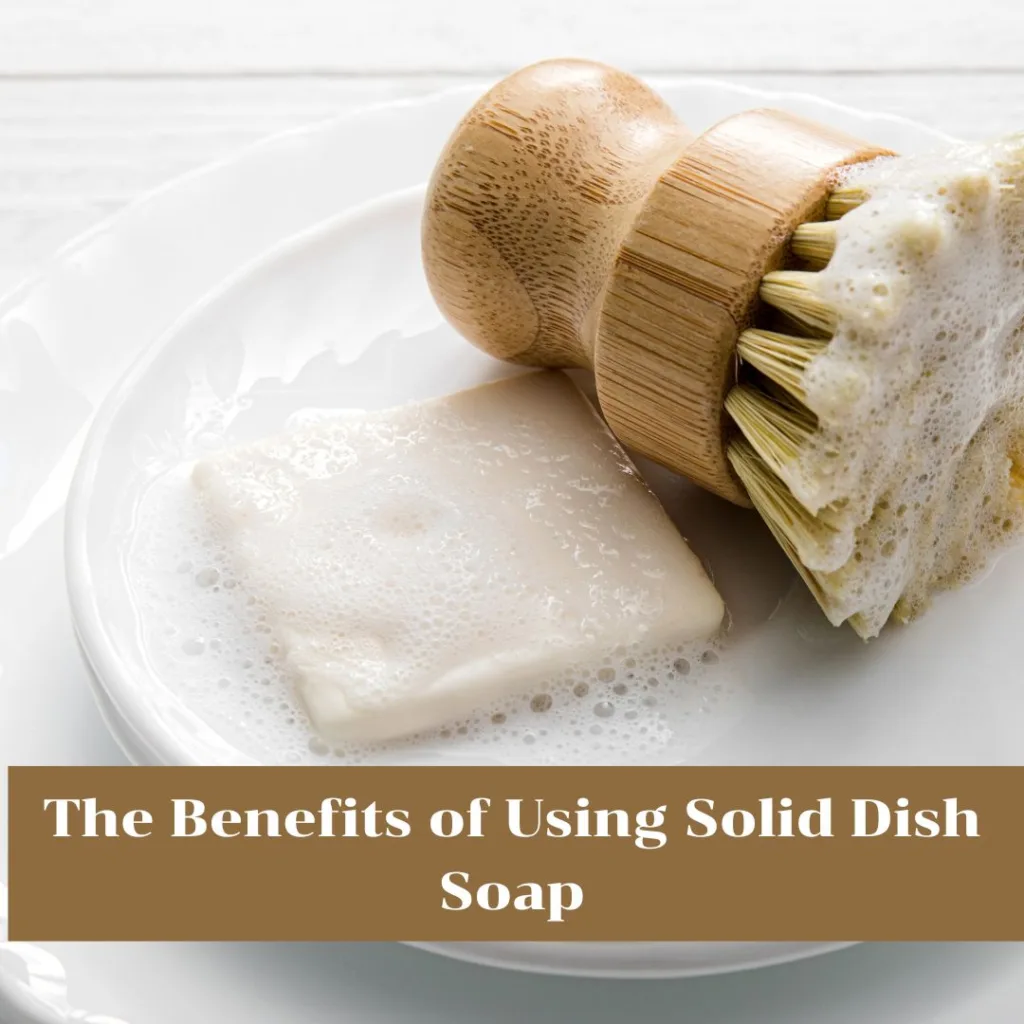
  • The Benefits of Using Solid Dish Soap

    In the realm of eco-friendly and sustainable living, the shift towards solid soap alternatives is gaining momentum. One such hero in the household is solid dish soap, however it seems to be one of the last eco-friendly switches that people think about when making.

    1. Environmental Friendliness: Solid dish soap is a champion for the environment. By eliminating the need for plastic bottles, it significantly reduces plastic waste. Choosing a solid option means contributing to a cleaner planet by minimizing your ecological footprint.
    2. Longevity and Efficiency: Solid dish soap often lasts longer than its liquid counterparts. The concentrated formula means you use less product per wash, making it a cost-effective choice in the long run. A little goes a long way in achieving sparkling clean dishes.
    3. Versatility: Don’t let its compact form fool you—solid dish soap is incredibly versatile. Whether you’re washing dishes, cutting boards, or even pots and pans, this multitasking wonder can handle it all. Its concentrated nature makes it suitable for various cleaning tasks around the kitchen.
    4. Easy Storage and Portability: Bid farewell to bulky plastic bottles cluttering your sink area. Solid dish soap is compact and easy to store, taking up minimal space. Its portability makes it an excellent choice for camping trips, travel, or any situation where space is a premium.
    5. No Liquid Spills: How many times have you accidentally spilled liquid dish soap? Solid dish soap eliminates this hassle. With no risk of spills, you can say goodbye to slippery and sticky kitchen countertops.
    6. Gentler on Hands: While we do not suggest using our dish soap bars for hand washing, as they are designed to strip oils from your dishes, the absence of harsh chemicals makes them makes them gentler than their commercial counterpart.
    7. Reduced Carbon Footprint:The production and transportation of liquid dish soap often result in a higher carbon footprint. Solid dish soap, with its concentrated form and reduced packaging, helps minimize these environmental impacts, aligning with a more sustainable lifestyle.

    Make the liquid to bar transition by picking up a few bars of our Dish Goat Milk Soap! If you want get the best out of your dish soap experience purchase some of our dish brushes too.

    Incorporating solid dish soap into your kitchen routine isn’t just a trend; it’s a mindful choice that brings a myriad of benefits. From environmental consciousness to cost-effectiveness and versatility, the advantages of making the switch are clear. Embrace the solid advantage and transform your dishwashing experience into a sustainable and efficient endeavor—one small bar at a time.

  • Why is Oatmeal so Great for Your Skin

    Oatmeal stands out as an ingredient celebrated for its nourishing and soothing effects on the skin. Beyond being a comforting breakfast staple, oatmeal boasts a range of benefits that make it a powerful addition to your skincare routine. Let’s explore why oatmeal is good for your skin and how it can transform your skincare regimen.

    The Skin-Loving Components of Oatmeal

    Oatmeal, derived from whole oat grains, is packed with a wealth of nutrients that offer myriad advantages for your skin. Here’s a closer look at what makes oatmeal a skin-friendly ingredient:

    1. Natural Cleansing

    Oatmeal possesses gentle cleansing properties that effectively remove dirt, excess oil, and impurities from the skin’s surface. Its saponins, natural compounds that act as mild surfactants, create a cleansing action without stripping the skin’s natural oils. This makes oatmeal an excellent choice for those with sensitive or dry skin.

    2. Soothing and Calming

    Oatmeal is said to have anti-inflammatory properties, making it a go-to remedy for various skin irritations. Compounds like avenanthramides in oatmeal can potentially help reduce itching, redness, and inflammation, providing relief to conditions such as eczema, psoriasis, and sunburn.

    3. Skin Barrier Support

    The proteins and lipids present in oatmeal work together to reinforce the skin’s natural barrier function. This barrier is essential for locking in moisture and keeping harmful elements out, making oatmeal a valuable ally in maintaining hydrated and resilient skin.

    4. Exfoliation and Dead Skin Removal

    Oatmeal’s gentle texture makes it an excellent natural exfoliant. The finely ground oats, like those that can be found in our Oatmeal Honey Goat Milk Soap, help slough off dead skin cells, leaving your complexion smoother and more radiant. This mild exfoliation also aids in preventing clogged pores, reducing the likelihood of acne breakouts.

    5. Moisture Retention

    Oatmeal’s beta-glucans, complex carbohydrates, form a gel-like substance when mixed with water. This gel acts as a humectant, drawing moisture to the skin and keeping it hydrated. Oatmeal-based skincare products can provide a significant boost in maintaining supple and moisturized skin.

    Incorporating Oatmeal into Your Skincare Routine

    There are numerous ways to harness the benefits of oatmeal for your skin:

    1. Oatmeal Baths: Adding colloidal oatmeal to your bathwater can soothe irritated skin and provide relief from itchiness and inflammation.
    2. Oatmeal Face Masks: Create a DIY face mask by blending oatmeal with water, yogurt, or honey. Apply the mixture to your face and let it sit for around 15 minutes before rinsing off. This can help calm redness and nourish your skin.
    3. Oatmeal Scrubs: Mix ground oatmeal with a bit of water to create a paste, and gently massage it onto your skin in circular motions. This will exfoliate while leaving your skin soft and refreshed.
    4. Oatmeal-Infused Products: Many skincare brands offer products like cleansers, moisturizers, and serums that feature oatmeal as a key ingredient. Look for products with minimal additives to fully experience oatmeal’s benefits.
    5. Use our Oatmeal Honey Goat Milk Soap!

    Oatmeal’s time-tested reputation as a skincare wonder is well-deserved. From its natural cleansing and exfoliating properties to its ability to soothe and hydrate, oatmeal provides a holistic approach to healthy skin. Whether you opt for DIY treatments or incorporate oatmeal-infused products into your routine, this humble ingredient has the potential to transform your skincare experience. Embrace the nurturing power of oatmeal and unlock a radiant, revitalized complexion that reflects the beauty of nature’s bountiful offerings.

  • Dry Brushing: Techniques for Healthy Skin and Wellness

    Dry brushing, an ancient wellness practice with roots in Ayurveda, has gained significant popularity in recent years for its numerous benefits. This simple and effective technique involves using a dry, natural bristle brush to gently massage the skin, promoting circulation, exfoliating dead cells, and stimulating the lymphatic system. In this blog post, we’ll explore the art of dry brushing, its remarkable advantages, and how to master the techniques for glowing skin and improved well-being.

    Understanding the Benefits of Dry Brushing

    1. Exfoliation and Cell Renewal: Dry brushing aids in removing dead skin cells, revealing fresher, smoother skin underneath. This gentle exfoliation encourages cell turnover and promotes a healthy, radiant complexion.
    2. Improved Circulation: As the brush bristles sweep across the skin’s surface, blood flow to the area increases, leading to improved circulation, and promoting overall skin health.
    3. Reduction in Cellulite Appearance: While dry brushing alone will not eliminate cellulite completely, it is said that regular practice can improve the appearance of dimpled skin.
    4. Stress Relief: The rhythmic motion of dry brushing can be relaxing and help reduce stress levels. Incorporating this technique into your daily self-care routine can create a calming and rejuvenating experience.

    Mastering Dry Brushing Techniques

    1. Choose the Right Brush: Select a high-quality, natural-bristle brush with a long handle that allows you to reach all areas of your body comfortably. Avoid synthetic brushes, as they may be too harsh on the skin. Our Wet/Dry Body Brush is an outstanding choice.
    2. Dry Skin, Before Showering: Dry brushing is most effective on dry skin, ideally before your daily shower. Ensure your skin is completely dry to maximize exfoliation benefits.
    3. Brush Towards the Heart: Start brushing from your feet and work your way up, always moving the brush toward the heart.
    4. Use Gentle Strokes: Apply gentle but firm pressure, avoiding aggressive brushing that may cause irritation. The goal is to invigorate the skin, not to scrub it vigorously.
    5. Focus on Each Area: Spend a few minutes on each body part, using long, sweeping motions. For areas with thicker skin (like knees and elbows), you can use slightly more pressure.
    6. Avoid Sensitive Areas: Skip brushing over sensitive or irritated skin, wounds, varicose veins, and areas with rashes. Also, avoid the face, as facial skin requires more delicate care. We have a softer Facial Brush designed specifically for facial cleansing.
    7. Shower and Moisturize: After dry brushing, step into the shower to rinse off the exfoliated skin cells. Follow up with a nourishing moisturizer to lock in hydration and keep your skin smooth and supple.

    Dry brushing is more than just a beauty ritual; it’s a wellness practice with profound benefits for both the body and mind. Incorporating this ancient technique into your daily routine can result in healthier, glowing skin and a deeper sense of well-being. Remember, consistency is key, so make dry brushing a regular part of your self-care routine and relish the revitalizing effects it brings to your skin and overall health.

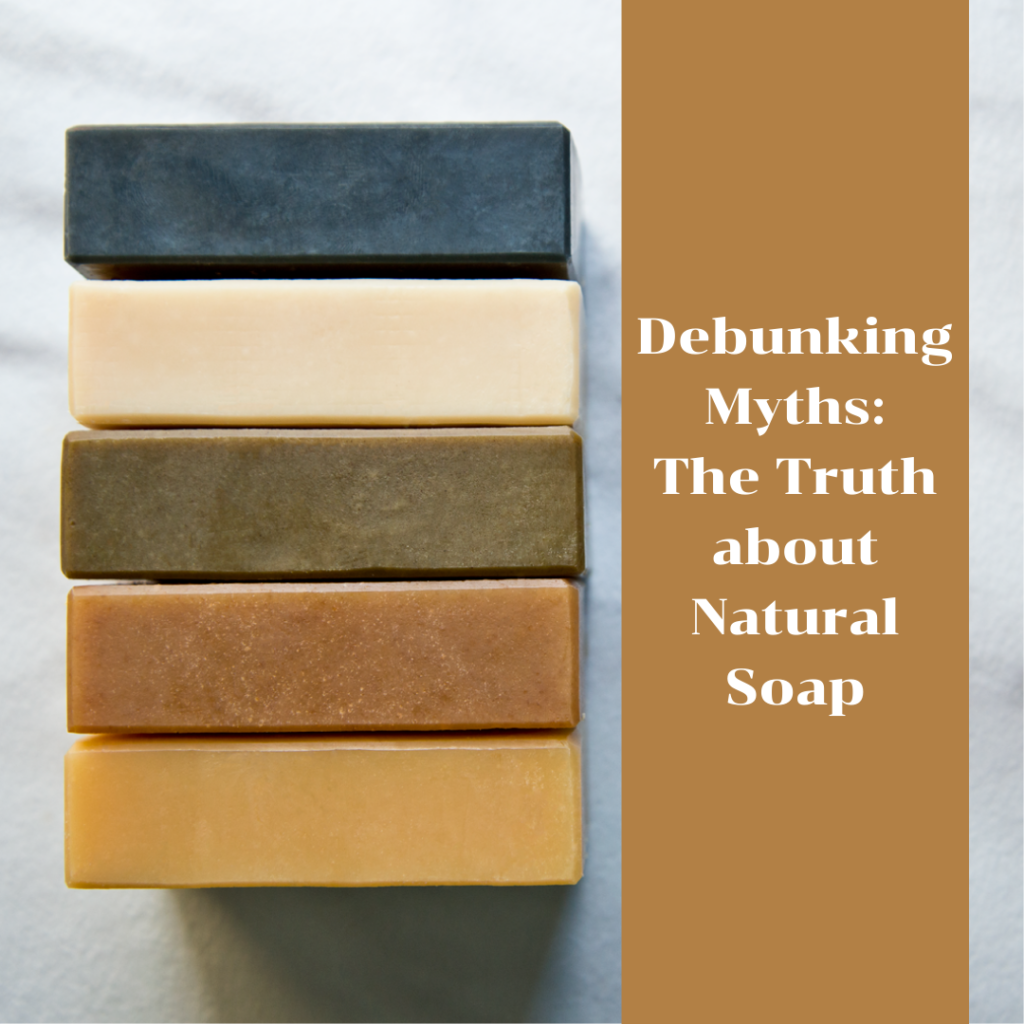
  • Debunking Myths: The Truth about Natural Soap

    The popularity of natural soap continues to soar, as people seek gentler and eco-friendly alternatives to commercial products. However, with the rise in interest comes the spread of misconceptions and myths about natural soap. Let’s unravel the truth behind common myths surrounding natural soap, helping you make informed choices about your skincare products.

    Myth 1: Natural Soaps Don’t Cleanse Effectively

    One of the most common misconceptions about natural soap is that it doesn’t cleanse as effectively as commercial soaps. In reality, natural soaps are just as efficient at cleansing dirt, oil, and bacteria from the skin. The secret lies in the carefully selected plant-based oils and natural surfactants used in their formulation. These ingredients gently remove impurities without stripping the skin of its natural oils, leaving it clean, refreshed, and nourished.

    Myth 2: Natural Soaps are Not as Good as Antibacterial Soaps

    Some people believe that natural soaps are less effective at combating germs than antibacterial soaps. However, studies have shown that regular soaps work just as well as antibacterial with less harm to humans and the environment. To read more about this check out our blog about the use of Antibacterial Soaps.

    Myth 3: Natural Soaps Don’t Lather Well

    The belief that natural soaps don’t lather as well as commercial soaps is a myth based on misunderstandings. While it’s true that natural soaps may produce a slightly different type of lather compared to commercial ones, they can still create a luxurious and creamy foam. The lathering ability of soap depends on the specific combination of oils and surfactants used, and many natural soap formulations are designed to produce ample lather for a satisfying cleansing experience.

    Myth 4: Natural Soaps are Expensive

    Some individuals shy away from natural soaps, assuming that their eco-friendly and wholesome qualities come with a hefty price tag. While it’s true that some artisanal natural soaps can be more expensive than mass-produced commercial soaps, there are plenty of affordable options available. Additionally, the longevity of natural soap, when used and stored correctly, can often outweigh the cost difference.

    Before we started using, and later producing, natural soaps we would go through a bar of commercially made soaps after a few days of our family showering. Now, with a good soap dish in the shower, a bar lasts our family of four more than a week.

    Myth 5: Natural Soaps are Harsh on the Skin

    On the contrary, natural soaps are generally much gentler on the skin compared to commercial soaps that often contain harsh chemicals, synthetic fragrances, and detergents. Natural soaps are carefully formulated to preserve the skin’s natural pH balance and retain moisture, making them suitable for all skin types, including sensitive and dry skin.

    Dispelling the myths surrounding natural soap is essential to making informed choices about the products we use on our skin. Natural soaps are crafted with care, utilizing plant-based ingredients that offer numerous benefits without compromising on efficacy. These gentle and eco-friendly products can enhance your skincare routine, providing a wholesome and nourishing experience.

    As you explore the world of natural soap, remember to consider factors such as the soap’s ingredients, the soapmaker’s reputation, and customer reviews to ensure you find the perfect fit for your needs. Embrace the truth about natural soap and embrace the simplicity and beauty of these time-tested products that offer both a mindful cleansing experience and a positive impact on our environment.

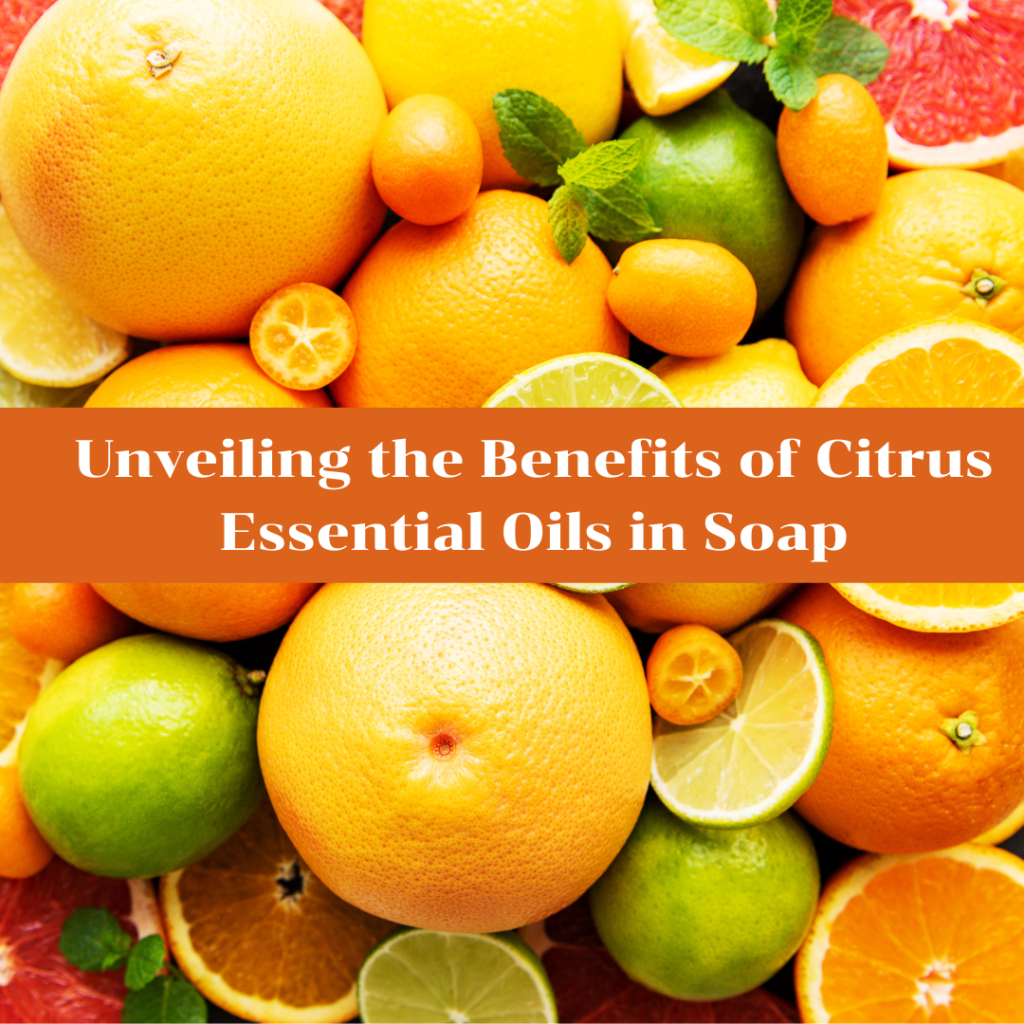
  • Unveiling the Benefits of Citrus Essential Oils in Soap

    The world of essential oils is a treasure trove of nature’s aromatic wonders. Among these, citrus essential oils stand out for their vibrant scents and numerous skin-loving properties. When infused into soap, these oils can transform your daily cleansing routine into a sensory delight while offering a range of benefits for your skin. In this blog post, we’ll explore the advantages of citrus essential oils in soap and why they deserve a prominent place in your skincare regimen.

    The Zest of Citrus Essential Oils

    Citrus essential oils are derived from the peels of fruits like oranges, lemons, limes, and grapefruits. These oils are celebrated for their refreshing and invigorating scents that can uplift your mood and provide an array of benefits for your skin. Let’s delve into the specific advantages of incorporating citrus essential oils into soap:

    Mood Upliftment and Aromatherapy

    The bright and tangy aroma of citrus essential oils has a natural ability to boost your spirits and promote a sense of well-being. When used in soap, these oils can turn your daily cleansing routine into a revitalizing aromatherapy experience that helps promote relaxation.

    Skin Cleansing and Brightening

    Citrus essential oils contain natural astringent properties that can help cleanse the skin by reducing excess oil and impurities. Their gentle exfoliating effect can also promote a brighter complexion by sloughing off dead skin cells and revealing the fresh skin underneath.

    Natural Astringency

    Citrus essential oils’ astringent properties are said to help tighten the appearance of pores, resulting in a smoother and more refined skin texture. This can be particularly beneficial for those with oily or combination skin.

    Skin Refresher

    The invigorating nature of citrus essential oils can help awaken your skin and leave you feeling refreshed and revitalized.

    Incorporating Citrus Essential Oils in Soap

    Introducing citrus essential oils into your skincare routine can bring a burst of freshness and vitality:

    1. Morning Energizer: Begin your day with a zesty boost by using citrus-infused soap during your morning shower. The uplifting scent can set a positive tone for the day ahead.
    2. Aromatherapy Ritual: Enjoy a calming evening bath with citrus-infused soap for a relaxing aromatherapy experience.
    3. Skin Brightening: Incorporate citrus-infused soap into your skincare routine to promote a brighter and more radiant complexion.

    Pick up a bar of our Sunrise Citrus Goat Milk Soap

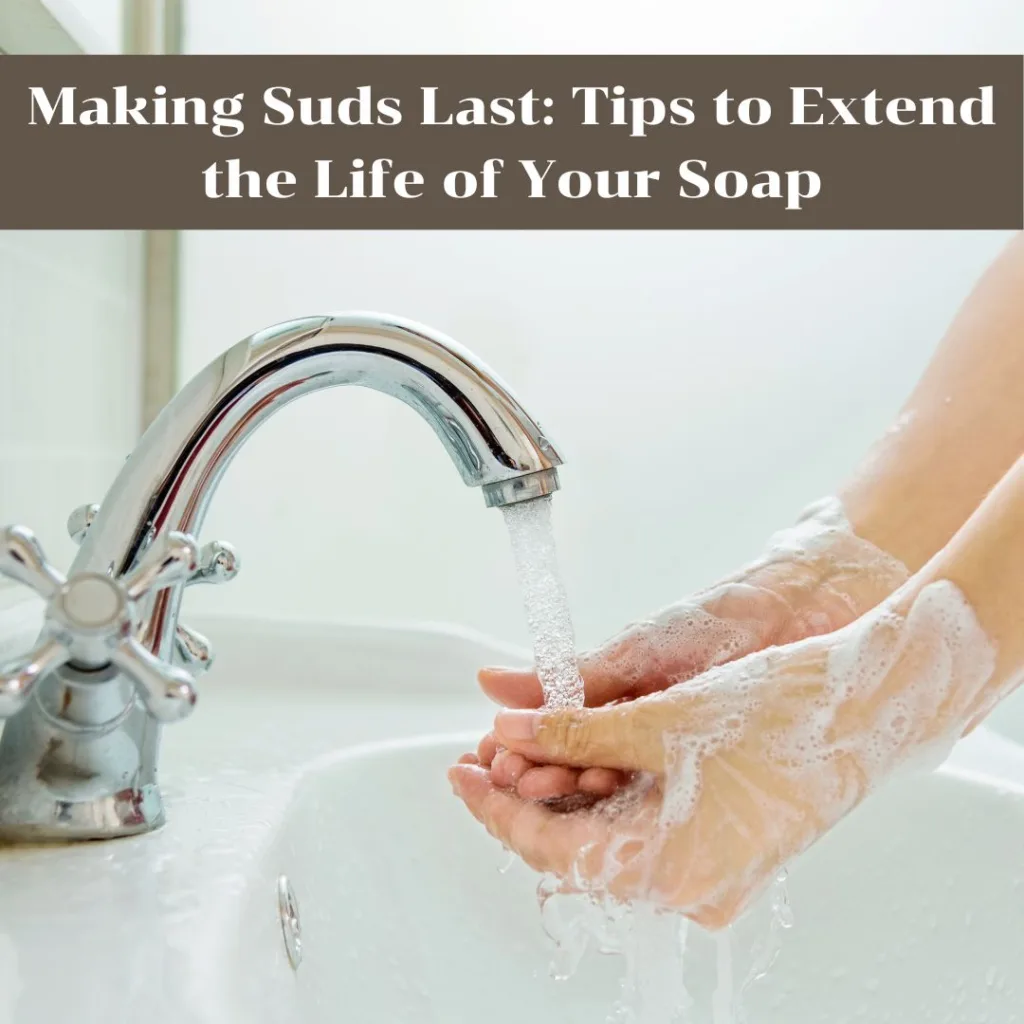
  • Making Suds Last: Tips to Extend the Life of Your Soap

    There’s something satisfying about using a beautiful bar of soap. However, all good things come to an end, and so does our soap—sometimes sooner than we’d like. However, it is possible to keep that soap around longer. In this blog, we’ll explore some simple yet effective tips to help you make your soap last longer, ensuring you get the most out of your favorite bars.

    Keep it Dry

    One of the most critical factors in prolonging your soap’s life is keeping it dry between uses. Soap bars left in a puddle of water will dissolve faster. Invest in a soap dish with proper drainage, allowing excess water to drain away and keeping your soap dry. Alternatively, you can use a soap saver bag or a washcloth to store your soap, keeping it dry and ready for your next use.

    Cut the Bar into Smaller Pieces

    If you have a large bar of soap, consider cutting it into smaller pieces. Smaller soap pieces are easier to handle and use, and you can keep the unused portions dry until needed. This way, you won’t waste any soap, and each piece will last longer.

    Opt for Soap Lifts

    Soap lifts or soap dishes made from materials like silicone or bamboo can be placed under your soap bar to elevate it, allowing air to circulate underneath and prevent it from sitting in water. This simple addition can significantly prolong the life of your soap.

    Store Unopened Bars Properly

    If you have extra bars of soap that you won’t use right away, store them in a cool, dry place, away from humidity. This will help maintain their freshness and prevent them from deteriorating before use.

    You can read more about storing your soap on this blog post.

    Use a Washcloth or Loofah

    Using a washcloth or loofah to lather the soap instead of rubbing it directly on your skin can make the soap last longer. The cloth or loofah generates a rich lather while using less soap, and it also provides gentle exfoliation for your skin.

    Avoid Hot Water

    Using hot water directly on the soap can cause it to melt more quickly. Instead, wet your hands with warm water and then lather the soap. This will help you get a good lather without wasting soap.

    With a few simple adjustments to your soap usage and storage habits, you can significantly extend the life of your favorite soap bars. From keeping them dry between uses to using a washcloth for lathering, these small changes can make a big difference in how long your soap lasts.

    Remember, making your soap last longer not only helps you get the most out of your purchase but also reduces waste, making it a more sustainable choice. So, follow these tips and savor every luxurious moment with your soap, knowing that you’re making a positive impact on both your wallet and the environment.

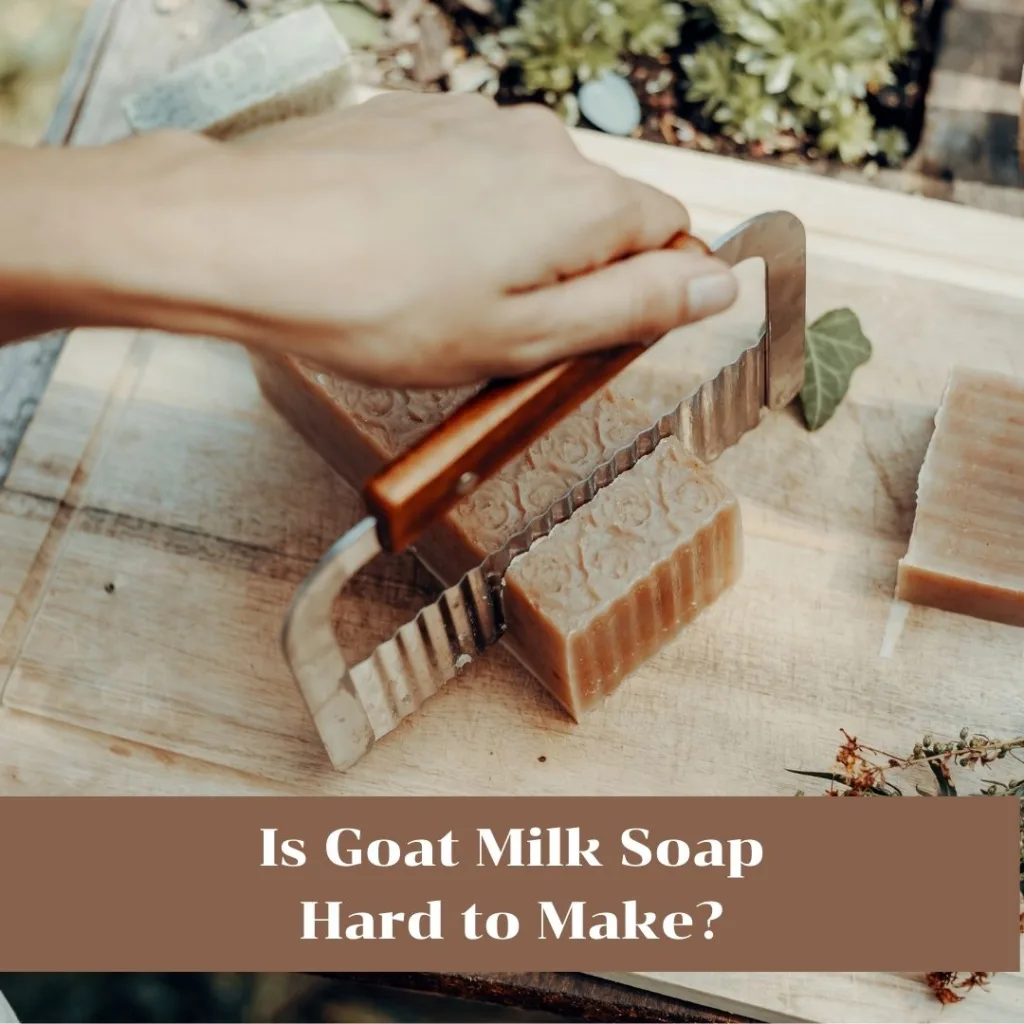
  • Is Goat Milk Soap Hard to Make?

    Goat milk soap has gained immense popularity in recent years, thanks to its numerous skincare benefits. It’s known for being gentle on the skin, moisturizing, and packed with essential nutrients. Many people are turning to handmade goat milk soap as a natural alternative to commercially produced soaps, which often contain harsh chemicals. But is making handmade goat milk soap a difficult task? In this blog post, we’ll explore the process of making this nourishing soap and whether it’s as challenging as it may seem.

    The Ingredients

    Before diving into the soap-making process, let’s take a look at the key ingredients involved:

    1. Goat Milk: The star ingredient, goat milk, provides natural fats, vitamins, and minerals that nourish and hydrate the skin.
    2. Lye (Sodium Hydroxide): Lye is a crucial component for saponification, the chemical reaction that turns fats and oils into soap. It’s essential to handle lye with care, as it’s a caustic substance.
    3. Oils and Fats: Various oils and fats, such as coconut oil, olive oil, and shea butter, are used to create a balanced soap formula. Each oil contributes different qualities to the soap, such as lather and moisturization.
    4. Fragrances and Additives: You can add essential oils, herbs, clays, or other natural ingredients for scent and additional skincare benefits.

    The Process

    Making goat milk soap involves several steps, but with careful planning and attention to detail, it can be a rewarding and enjoyable experience. Here’s a simplified overview of the process:

    1. Safety Precautions: Begin by wearing safety gear, including gloves and protective eyewear. Ensure that your workspace is well-ventilated.
    2. Measure Ingredients: Weigh the goat milk and carefully mix it with the lye in a well-ventilated area. This step requires caution, as the mixture can release fumes. The goat milk will need to be frozen, since the lye could heat the milk up to a temperature that could potentially scald the milk and give it an unpleasing color and oder. Be sure to use a lye calculator to find the appropriate amount of lye to use in your recipe. If too much is used it could mean leftover lye will be in the final product and the bar will not be safe to use.
    3. Melt Oils: Melt your chosen oils and fats together in a heat-safe container.
    4. Combine Ingredients: Combine the milk-lye mixture and melted oils and mix thoroughly until they reach a trace, which is a thick, pudding-like consistency.
    5. Add Additives: Incorporate essential oils or other additives for fragrance and other benefits.
    6. Mold and Cure: Pour the soap mixture into molds. Most soaps will be ready to un-mold in 24 hours. If you made your soaps in loaf molds you can cut them into bars at the time of un-molding. Goat milk soaps and soaps with high olive oil contents will need to be cured for at least 6 weeks, if not longer. During this time excess moisture will leave the soap and the bar hardens. A bar that is cured longer will last longer during use.

    Is It Hard to Make Handmade Goat Milk Soap?

    The difficulty of making handmade goat milk soap largely depends on your experience level and comfort with handling lye. While the process involves multiple steps and careful measurements, it can be manageable for beginners with some practice and knowledge.

    Here are some factors to consider:

    1. Safety: Working with lye requires strict safety measures. Ensure you follow safety guidelines meticulously to protect yourself from accidents.
    2. Learning Curve: Like any craft, soap making takes time to perfect. Your first few batches may not turn out as expected, but learning from your mistakes is part of the process.
    3. Ingredients: Quality ingredients make a significant difference in the outcome. Investing in high-quality oils, fats, and goat milk will lead to a better final product.
    4. Creativity: The fun part of soap making is experimenting with scents, colors, and additives. Embrace your creative side to make unique soap blends.

    We have found the the book Scientific Soapmaking to be incredibly useful during our soap making journey. If you are serious about your soap making this book is a must.

    Making handmade goat milk soap can be a fulfilling and enjoyable hobby or even a small business venture. While it may seem daunting at first, with practice and adherence to safety precautions, it becomes a skill that you can master. The end result is a nourishing, all-natural soap that is gentle on your skin, making the effort well worth it. So, roll up your sleeves, gather your ingredients, and embark on your handmade soap-making journey today!

  • The Delicate Care: Are Our Goat Milk Soaps Safe for Babies?

    The quest for gentle and nurturing skincare products for babies has led many parents to explore natural alternatives. Among these, natural handmade goat milk soaps have gained popularity for their purported benefits and minimalistic ingredient lists. With the delicate and sensitive nature of a baby’s skin, it’s crucial to weigh the potential advantages and concerns before incorporating such products into your little one’s routine.

    The Goodness of Goat Milk

    Goat milk has been celebrated for centuries for its moisturizing and skin-loving properties. Rich in vitamins, minerals, and healthy fats, goat milk is believed to possess numerous benefits for the skin. It contains lactic acid, which acts as a natural exfoliant, helping to gently remove dead skin cells and promote a smoother complexion.

    For babies, who have delicate and developing skin, the potential benefits of goat milk are alluring. The natural fatty acids and proteins present in goat milk can provide nourishment and hydration to the skin, helping to maintain its natural moisture barrier.

    Minimal Ingredients, Maximum Assurance

    One of the main appeals of natural handmade goat milk soaps is their simple ingredient lists. Crafted by artisans who often prioritize using organic and wholesome components, these soaps typically avoid harsh chemicals, fragrances, and synthetic additives that can be irritating to sensitive skin.

    When considering such products for babies, this can be a significant advantage. Babies’ skin is more susceptible to irritation and allergies due to its thinness and permeability. Choosing a soap with minimal, recognizable ingredients reduces the likelihood of adverse reactions and ensures that your baby’s skin is exposed to gentle care.

    Our Castile Goat Milk Soap is the most gentle in our line and contains the fewest ingredients.

    Potential Considerations

    While natural handmade goat milk soaps offer several potential benefits, it’s essential to approach their use with caution, especially when it comes to babies:

    1. Allergies: Although goat milk is generally well-tolerated, some babies might have allergies or sensitivities to dairy products. Before introducing goat milk soap to your baby’s skincare routine, it’s a good idea to perform a patch test to ensure there are no adverse reactions.
    2. Fragrance: While many goat milk soaps are fragrance-free, some variants might contain essential oils for scent. Keep in mind that babies’ skin can be sensitive to even natural fragrances. Opt for unscented options if you’re concerned about potential irritation.
    3. Not Tear-Free: No true soap (mets the legal definition of soap) is tear free. Take extra care to ensure that the soap doesn’t get into the baby’s eyes.

    Consultation with a Pediatrician

    Before introducing any new skincare product into your baby’s routine, including natural handmade goat milk soap, it’s wise to consult with your pediatrician. They can offer personalized advice based on your baby’s specific needs, skin type, and any potential allergies or sensitivities they may have.

    In the realm of baby skincare, the emphasis is always on gentle and safe care. Natural handmade goat milk soaps can indeed offer a nourishing and wholesome option for your baby’s skin, thanks to their simple ingredient lists and potential skin-loving properties. However, as with any new product, it’s crucial to proceed with caution, perform patch tests, and seek guidance from your pediatrician. Ultimately, the choice to include goat milk soap in your baby’s routine should prioritize their well-being and comfort above all else.