Tag: Soap

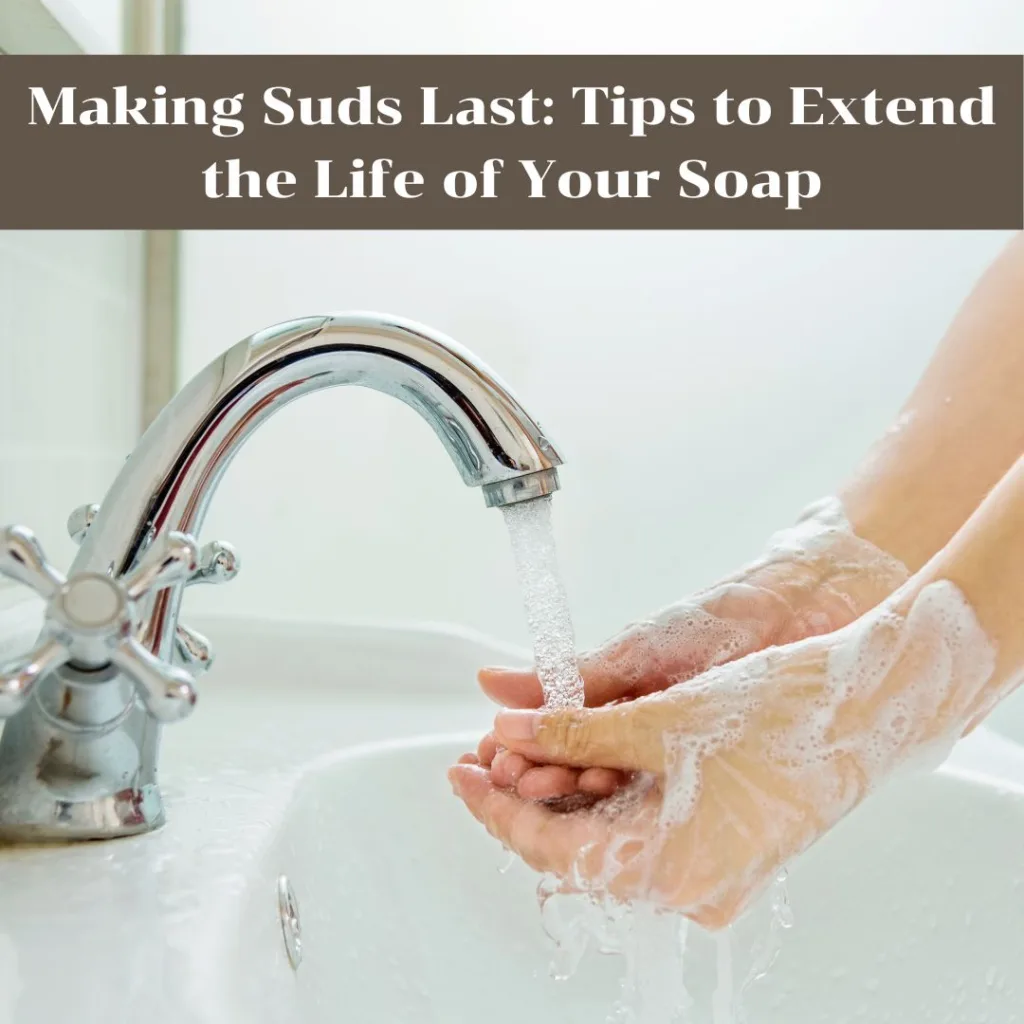
  • Making Suds Last: Tips to Extend the Life of Your Soap

    There’s something satisfying about using a beautiful bar of soap. However, all good things come to an end, and so does our soap—sometimes sooner than we’d like. However, it is possible to keep that soap around longer. In this blog, we’ll explore some simple yet effective tips to help you make your soap last longer, ensuring you get the most out of your favorite bars.

    Keep it Dry

    One of the most critical factors in prolonging your soap’s life is keeping it dry between uses. Soap bars left in a puddle of water will dissolve faster. Invest in a soap dish with proper drainage, allowing excess water to drain away and keeping your soap dry. Alternatively, you can use a soap saver bag or a washcloth to store your soap, keeping it dry and ready for your next use.

    Cut the Bar into Smaller Pieces

    If you have a large bar of soap, consider cutting it into smaller pieces. Smaller soap pieces are easier to handle and use, and you can keep the unused portions dry until needed. This way, you won’t waste any soap, and each piece will last longer.

    Opt for Soap Lifts

    Soap lifts or soap dishes made from materials like silicone or bamboo can be placed under your soap bar to elevate it, allowing air to circulate underneath and prevent it from sitting in water. This simple addition can significantly prolong the life of your soap.

    Store Unopened Bars Properly

    If you have extra bars of soap that you won’t use right away, store them in a cool, dry place, away from humidity. This will help maintain their freshness and prevent them from deteriorating before use.

    You can read more about storing your soap on this blog post.

    Use a Washcloth or Loofah

    Using a washcloth or loofah to lather the soap instead of rubbing it directly on your skin can make the soap last longer. The cloth or loofah generates a rich lather while using less soap, and it also provides gentle exfoliation for your skin.

    Avoid Hot Water

    Using hot water directly on the soap can cause it to melt more quickly. Instead, wet your hands with warm water and then lather the soap. This will help you get a good lather without wasting soap.

    With a few simple adjustments to your soap usage and storage habits, you can significantly extend the life of your favorite soap bars. From keeping them dry between uses to using a washcloth for lathering, these small changes can make a big difference in how long your soap lasts.

    Remember, making your soap last longer not only helps you get the most out of your purchase but also reduces waste, making it a more sustainable choice. So, follow these tips and savor every luxurious moment with your soap, knowing that you’re making a positive impact on both your wallet and the environment.
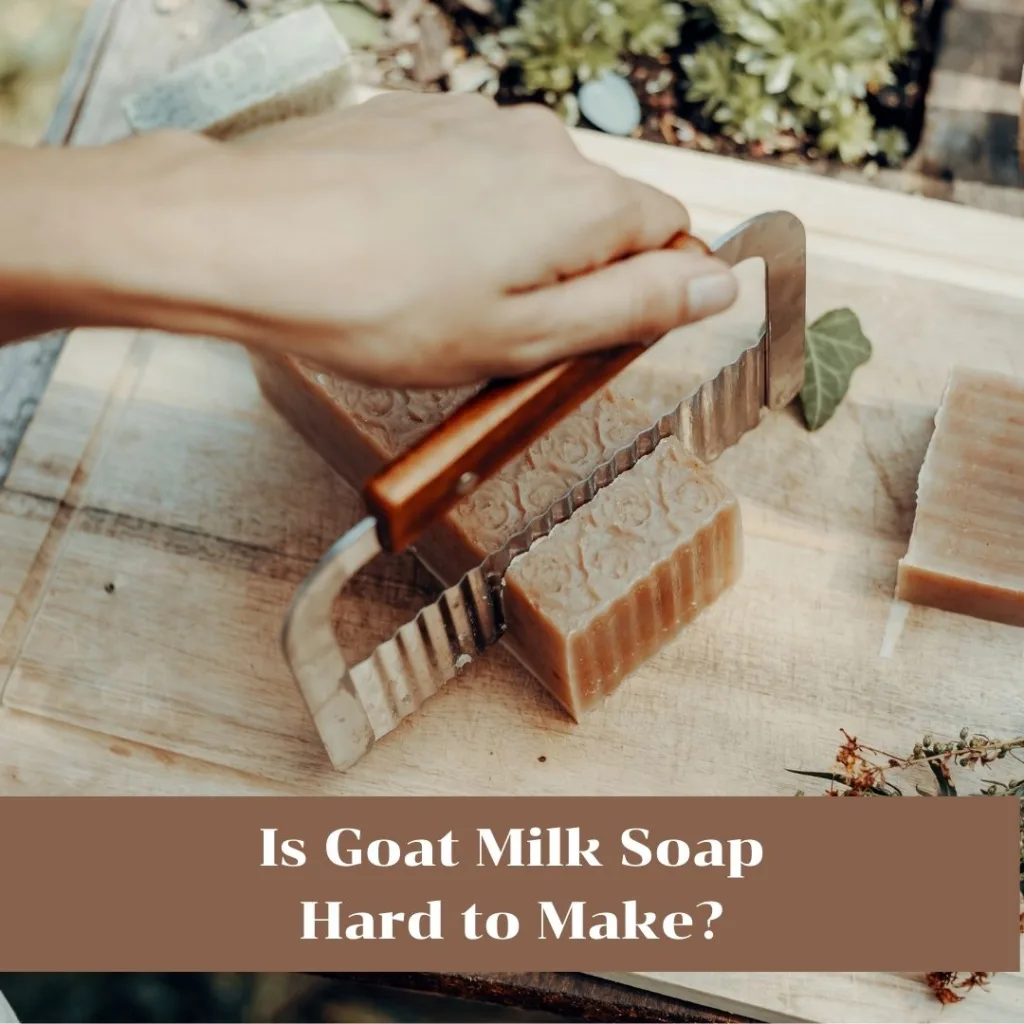
  • Is Goat Milk Soap Hard to Make?

    Goat milk soap has gained immense popularity in recent years, thanks to its numerous skincare benefits. It’s known for being gentle on the skin, moisturizing, and packed with essential nutrients. Many people are turning to handmade goat milk soap as a natural alternative to commercially produced soaps, which often contain harsh chemicals. But is making handmade goat milk soap a difficult task? In this blog post, we’ll explore the process of making this nourishing soap and whether it’s as challenging as it may seem.

    The Ingredients

    Before diving into the soap-making process, let’s take a look at the key ingredients involved:

    1. Goat Milk: The star ingredient, goat milk, provides natural fats, vitamins, and minerals that nourish and hydrate the skin.
    2. Lye (Sodium Hydroxide): Lye is a crucial component for saponification, the chemical reaction that turns fats and oils into soap. It’s essential to handle lye with care, as it’s a caustic substance.
    3. Oils and Fats: Various oils and fats, such as coconut oil, olive oil, and shea butter, are used to create a balanced soap formula. Each oil contributes different qualities to the soap, such as lather and moisturization.
    4. Fragrances and Additives: You can add essential oils, herbs, clays, or other natural ingredients for scent and additional skincare benefits.

    The Process

    Making goat milk soap involves several steps, but with careful planning and attention to detail, it can be a rewarding and enjoyable experience. Here’s a simplified overview of the process:

    1. Safety Precautions: Begin by wearing safety gear, including gloves and protective eyewear. Ensure that your workspace is well-ventilated.
    2. Measure Ingredients: Weigh the goat milk and carefully mix it with the lye in a well-ventilated area. This step requires caution, as the mixture can release fumes. The goat milk will need to be frozen, since the lye could heat the milk up to a temperature that could potentially scald the milk and give it an unpleasing color and oder. Be sure to use a lye calculator to find the appropriate amount of lye to use in your recipe. If too much is used it could mean leftover lye will be in the final product and the bar will not be safe to use.
    3. Melt Oils: Melt your chosen oils and fats together in a heat-safe container.
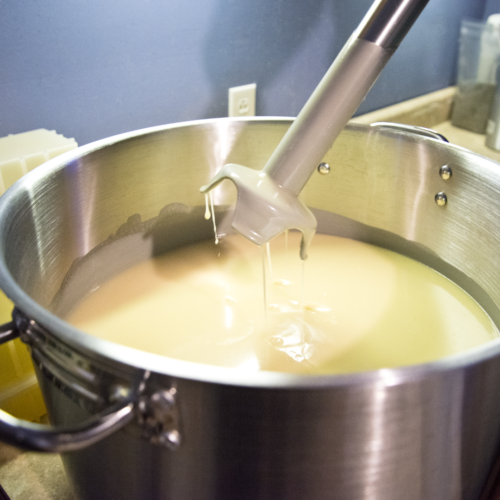
    4. Combine Ingredients: Combine the milk-lye mixture and melted oils and mix thoroughly until they reach a trace, which is a thick, pudding-like consistency.
    5. Add Additives: Incorporate essential oils or other additives for fragrance and other benefits.
    6. Mold and Cure: Pour the soap mixture into molds. Most soaps will be ready to un-mold in 24 hours. If you made your soaps in loaf molds you can cut them into bars at the time of un-molding. Goat milk soaps and soaps with high olive oil contents will need to be cured for at least 6 weeks, if not longer. During this time excess moisture will leave the soap and the bar hardens. A bar that is cured longer will last longer during use.

    Is It Hard to Make Handmade Goat Milk Soap?

    The difficulty of making handmade goat milk soap largely depends on your experience level and comfort with handling lye. While the process involves multiple steps and careful measurements, it can be manageable for beginners with some practice and knowledge.

    Here are some factors to consider:

    1. Safety: Working with lye requires strict safety measures. Ensure you follow safety guidelines meticulously to protect yourself from accidents.
    2. Learning Curve: Like any craft, soap making takes time to perfect. Your first few batches may not turn out as expected, but learning from your mistakes is part of the process.
    3. Ingredients: Quality ingredients make a significant difference in the outcome. Investing in high-quality oils, fats, and goat milk will lead to a better final product.
    4. Creativity: The fun part of soap making is experimenting with scents, colors, and additives. Embrace your creative side to make unique soap blends.

    We have found the the book Scientific Soapmaking to be incredibly useful during our soap making journey. If you are serious about your soap making this book is a must.

    Making handmade goat milk soap can be a fulfilling and enjoyable hobby or even a small business venture. While it may seem daunting at first, with practice and adherence to safety precautions, it becomes a skill that you can master. The end result is a nourishing, all-natural soap that is gentle on your skin, making the effort well worth it. So, roll up your sleeves, gather your ingredients, and embark on your handmade soap-making journey today!

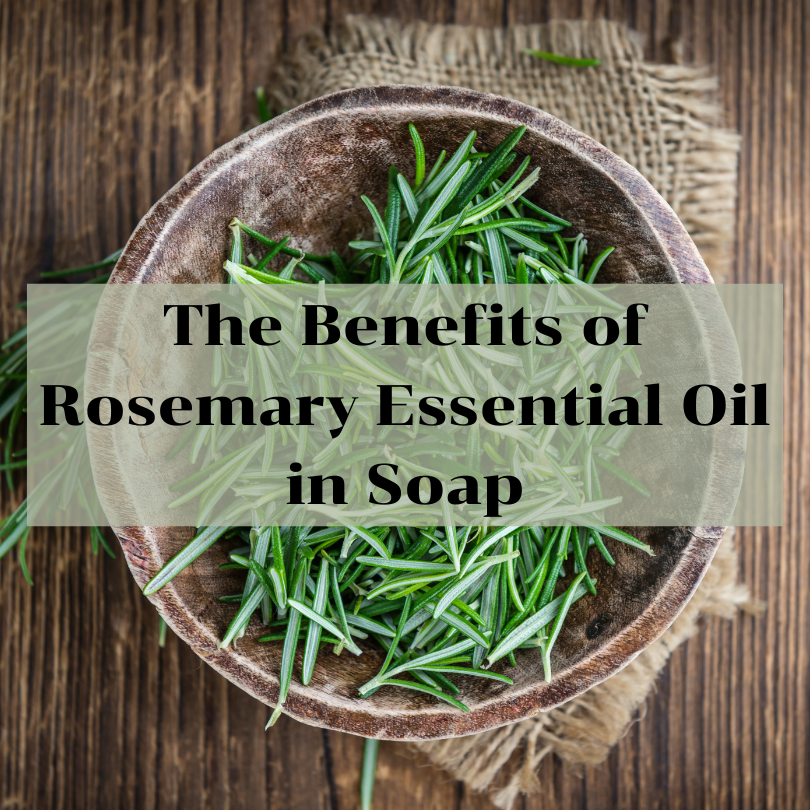
  • The Benefits of Rosemary Essential Oil in Soap

    Rosemary essential oil is a fragrant gem with a multitude of benefits. Derived from the aromatic leaves of the rosemary plant, this essential oil has been cherished for centuries for its versatile properties. When infused into soap, rosemary essential oil offers a sensory delight while delivering an array of advantages for your skin.

    The Aromatic Wonder of Rosemary

    Rosemary, with its woody and herbaceous scent, has been celebrated for its culinary and therapeutic uses throughout history. Its essential oil, extracted through steam distillation, captures the essence of this fragrant herb and brings it to life in skincare products. Let’s explore the specific benefits that rosemary essential oil brings when infused into soap:

    1. Clarifying and Balancing

    Rosemary essential oil’s astringent qualities can help clarify the skin by reducing excess oil and impurities. It’s particularly beneficial for those with oily or acne-prone skin as it aids in regulating sebum production and minimizing the appearance of pores.

    2. Soothing Irritation

    Rosemary essential oil’s anti-inflammatory properties make it a soothing choice for irritated or sensitive skin. It can help alleviate redness and inflammation.

    3. Scalp and Hair Care

    Beyond skincare, rosemary essential oil is also revered for its benefits to the scalp and hair. When used in soap, it can contribute to a healthy scalp and promote stronger, shinier hair.

    Incorporating Rosemary Essential Oil in Soap

    Including rosemary essential oil in your skincare routine can offer a range of benefits:

    1. Invigorating Shower: Use rosemary-infused soap during your shower to enjoy the refreshing and revitalizing aroma of this herb.
    2. Targeted Application: Apply rosemary-infused soap to areas of concern, such as oily T-zones or blemish-prone skin.
    3. Body Cleanse: Incorporate rosemary-infused soap into your body cleansing routine for overall skin clarity and balance.
    4. Scalp and Hair Care: Use rosemary-infused soap as a body and hair cleanser to reap its benefits for a healthy scalp and lustrous hair.

    At The Freckled Farm Soap Company we have three soaps that contain rosemary essential oil; Rosemary Mint, Sunrise Citrus, and Deep Sea Goat Milk Soaps.

    Rosemary essential oil’s exquisite aroma and remarkable benefits make it a prized addition to skincare products. Embrace the elegance of rosemary and let its natural wonders enhance your skincare ritual. Whether you seek to address specific skin concerns or simply indulge in the aromatic allure of this herb, rosemary essential oil in soap is a botanical treasure that embodies both beauty and wellness.

  • Ten Year Anniversary

    Earlier this month we celebrated the tenth anniversary of when we started The Freckled Farm Soap Company. This time ten years ago we were in the last stages of perfecting our goat milk soap recipe after a year of tiny tweaks and starting all of the paperwork to make our business official. We had the desire to create a high quality, eco friendly, affordable product but more than anything we had the desire to work and be together as a family.

    This anniversary is a huge milestone. While we hoped this is where the business would be ten years later we felt it was a long shot. We have gone through so many changes over the years and after our biggest change, during covid when we went from depending mostly on farmers markets for sales to depending on online sales, our customers adjusted and changed with us. We are forever grateful for those of you who have helped get us here.

    Thank you to all of you who have held us up and helped us grow over the last decade.

  • 5 Reasons to Use Bar Shampoo on Your Dog Instead of Liquid Shampoo

    Frankie getting a bath with our Canine Shampoo!

    When it comes to grooming our furry friends, choosing the right shampoo can make all the difference. While traditional liquid shampoos have been the norm for decades, a new alternative is making waves in the pet grooming industry: bar shampoo.

    While it may seem odd to use a bar soap on a dog, there are actually many benefits to this method of bathing. In this blog post, we’ll explore why bar shampoo is a better option for your dog than liquid shampoo.

    1. Environmental Friendliness

    One of the biggest advantages of using a bar shampoo for your dog is the environmental impact. Traditional liquid shampoos come in plastic bottles that are often not recyclable, leading to a huge amount of plastic waste. In contrast, bar shampoos, like ours, are packaged in paper or cardboard, which can be easily recycled or composted.

    1. Longevity

    Another advantage of bar shampoo is that it lasts longer than liquid shampoo. When you use liquid shampoo it feels like you need to put a ton on them because it is not as easy to move it around the dog’s body. Since you don’t need to use as much product to get a good lather, a single bar can last much longer than a bottle of liquid shampoo. This means that you’ll save money in the long run and won’t need to buy shampoo as frequently.

    1. Ease of Use

    While it may seem like using a bar shampoo would be more difficult than a liquid, it’s actually quite easy. Simply wet your dog’s fur, rub the bar of soap onto their coat, and lather as usual. Since the bar is easier to grip than a slippery bottle, it can actually be easier to use and get an even distribution of soap when you’re trying to hold onto a wriggling dog.

    1. Natural Ingredients

    Our Canine Goat Milk Soap is made with all-natural ingredients, which can be beneficial for your pet’s health. Traditional liquid shampoos often contain harsh chemicals that can strip your dog’s coat of its natural oils and cause dryness or irritation.

    1. Portability

    If you’re someone who likes to take their dog on the go, bar shampoo is a great option. Since it doesn’t come in a bulky bottle, it’s much easier to pack in your bag or take with you on camping trips or hikes. It also won’t leak out into your bag!

    There are many reasons why bar shampoo is a better option for your dog than liquid shampoo. From environmental friendliness to natural ingredients and ease of use, bar shampoo is a great choice for anyone looking to give their furry friend a good bath.

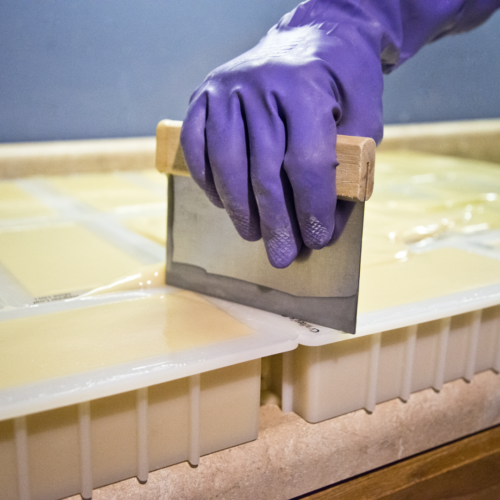
  • 4 Reasons to Switch to Natural Soap

    As we become more conscious of what we put in and on our bodies, natural soaps are gaining popularity. Traditional soaps that are widely available in stores often contain harsh chemicals and synthetic fragrances that can be harmful to both our skin and the environment. Switching to natural soaps is not only better for our health but also for the planet. In this blog post, we will explore the reasons why you should consider using natural soaps.
    1. No Harsh Chemicals

    The majority of commercial soaps contain harsh chemicals that can cause skin irritation, allergic reactions, and even contribute to chronic health problems. Many of these chemicals are synthetic, and when they are washed down the drain, they can contaminate waterways and harm aquatic life. Natural soaps, on the other hand, are made from plant-based ingredients, such as coconut oil, olive oil, and shea butter. They contain no artificial colors, fragrances, or preservatives.

    2. Better for Sensitive Skin

    If you have sensitive skin, you know how challenging it can be to find a soap that won’t cause irritation. Natural soaps are often gentler on the skin because they contain nourishing ingredients that help moisturize and soothe dry or irritated skin. Additionally, natural soaps are often unscented, which means that they are less likely to cause allergic reactions.

    3. Environmental Benefits

    The chemicals found in commercial soaps can have a significant impact on the environment. When these chemicals are washed down the drain, they can end up in waterways, polluting rivers and oceans. Natural soaps, on the other hand, are biodegradable, which means that they break down easily and don’t harm the environment.

    4. Supporting Small Businesses

    Many natural soap makers, like us, are small businesses that rely on local ingredients and suppliers. By purchasing natural soaps, you are not only supporting small businesses but also helping to reduce the carbon footprint associated with shipping products long distances.

    In conclusion, natural soaps are a safer, healthier, and more eco-friendly alternative to traditional soaps. By making the switch to natural soaps, you can take care of your skin while also taking care of the planet. So, next time you’re shopping for soap, consider opting for a natural option – your skin and the environment will thank you!

  • Soap Making in Photos

    We wanted to give customers a little sneak peek into our soap making process though photos. I hope you enjoy.

    Making Soap with The Freckled Farm Soap Company

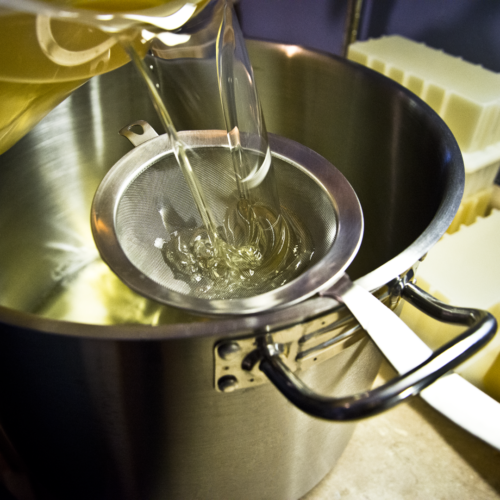
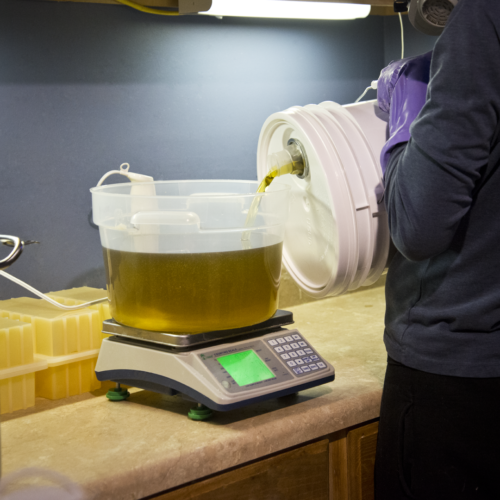
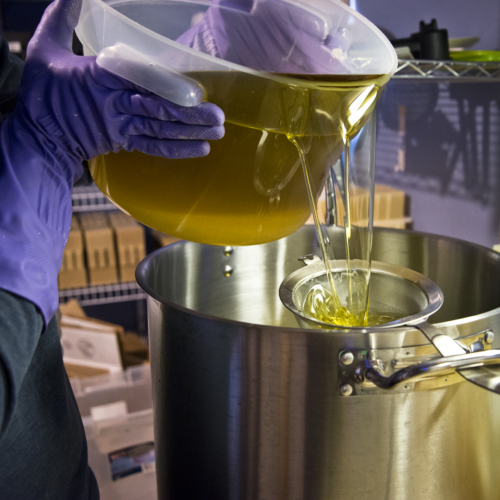
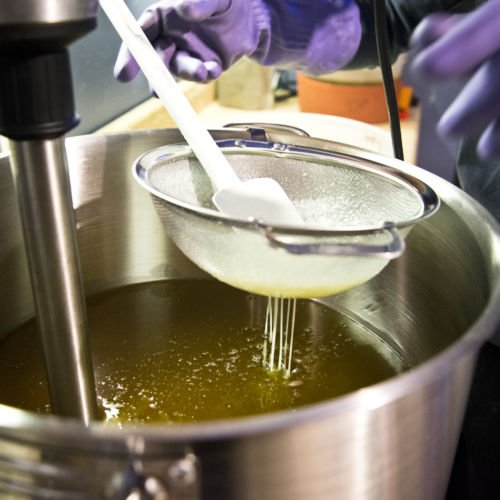
    First we measure out all of the solid oils. These oils need to be melted, so they are added to a container that is wrapped in a warming device. The warmer melts the solid oils over several hours. We normally measure out the solid oils the night before and turn on the warmers at 5am when we are beginning farm chores, that way the oils are melted when we come out to make soap after farm chores are done and we have eaten breakfast. Once the oils are melted we move them into the large stock pot that the soap is made in. We run the oils through a filter to catch anything that might fall into the soap.

    Filtering oils for soap making

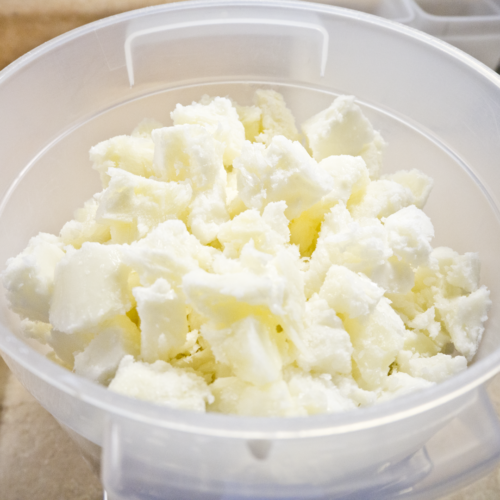
    We freeze our milk in a solid block. It takes less time to set up and takes up less space in the freezer. Once frozen we use an icepick to break up the milk into smaller chunks that are easier to measure and to mix the lye into. We return the measured milk to the freezer until we are ready for it later in the process.

    Frozen Goat Milk for soap making

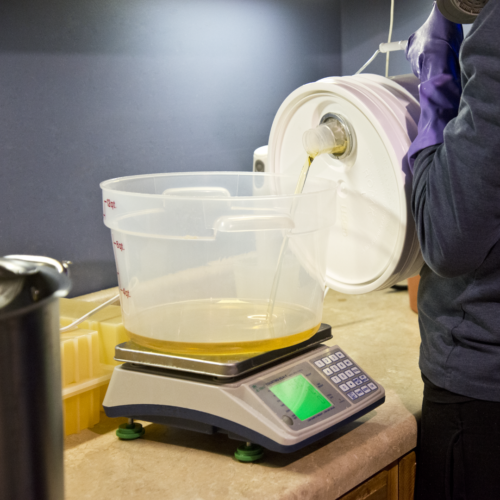
    Next, the oils in liquid form are measured out:

    Pouring Oils - Goat Milk Soap Making

    Pouring Oils for Goat Milk Soap Making

    They too are run through the filter as they are added to the other melted oils:

    Pouring oils for goat milk soap making

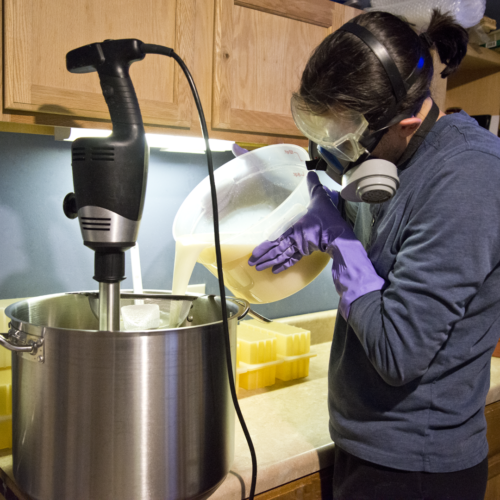
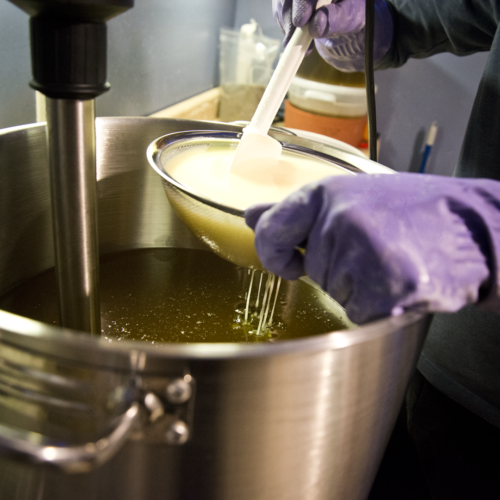
    Once all the oils are measured and added to the stock pot we start preparing the milk/lye mixture. Because the milk is frozen when the lye is added the temperature never rises above 76-80 degrees and the milk maintains it’s light color. If lye is added to room temperature milk the milk will turn brown and potentially take on a burnt scent. When the milk and lye are well mixed they are added to the oil. It too is run through the filter (a larger one) but this time it is to break up and catch any fat clumps that may have formed.

    Adding Milk to Goat Milk Soap

    We push the remaining milk through the strainer to break up the fat clumps.

    Straining Milk in goat milk soap making

    Straining Milk for Goat Milk Soap Making

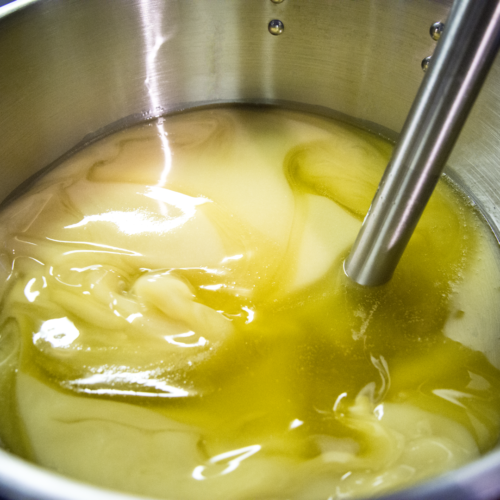
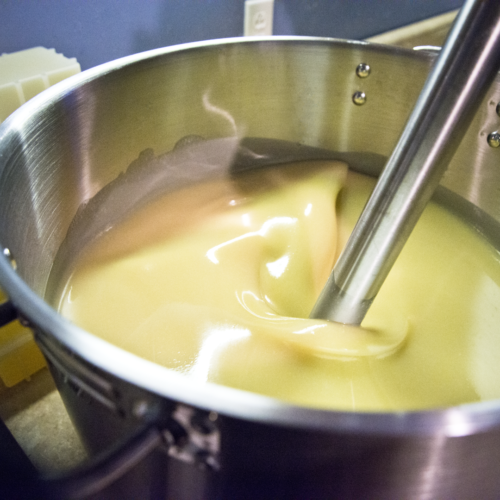
    We then mix everything together with an industrial sized stick blender.

    Oils Mixing in Soap Making

    Oils Mixing in Soap Making

    Once the oils reach the light trace stage the essential oils are added

    Light Trace in Soap Making

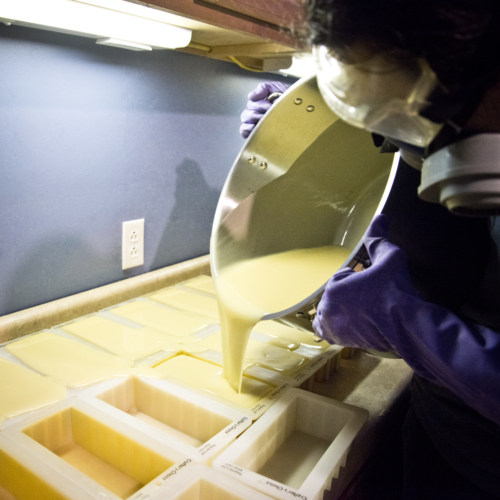
    The mixture is then poured into the molds.

    Pouring soap into molds

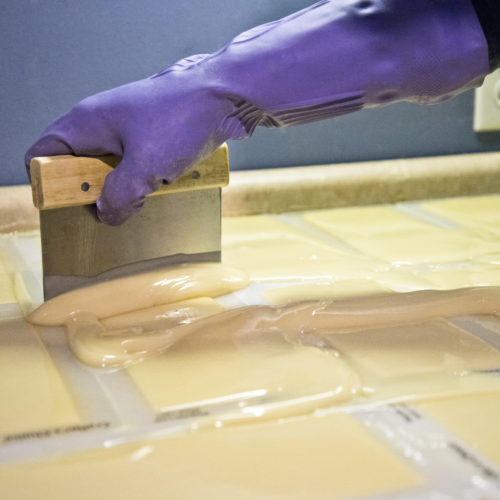
    We then scrap off the excess on top of the molds to fill the remaining molds and to smooth the top of the soap.

    Smoothing Soap

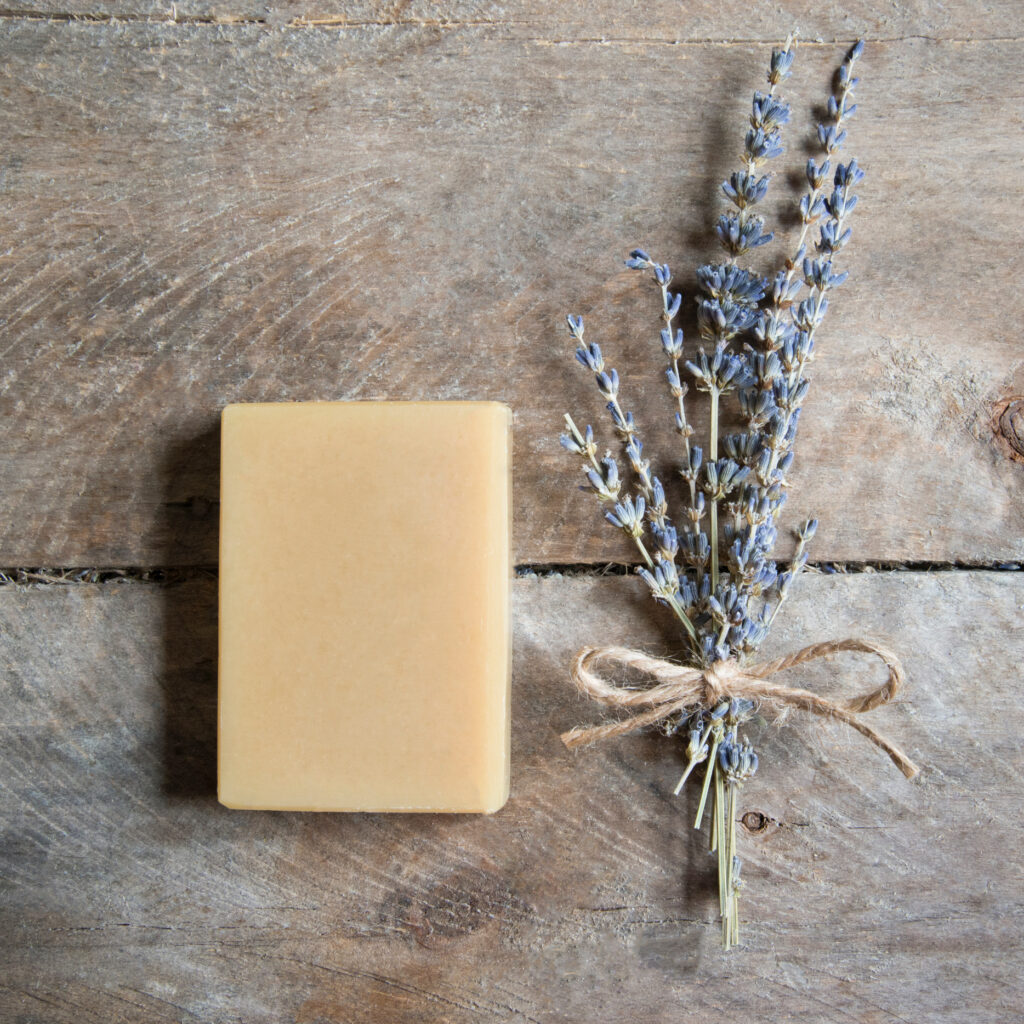
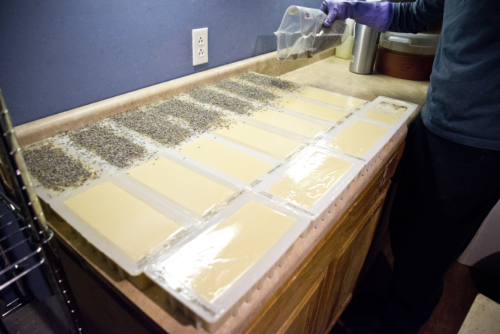
    This particular batch is the topped version of our Lavender Goat Milk Soap. We add the lavender buds last.

    Lavender Goat Milk Soap

    Finally, the soap sits for at least 24 hours while it firms up. It is cut and placed on the curing racks, where it will stay for 4-6 weeks while it cures.


  • Black Friday * Small Business Saturday * Cyber Monday Sale!

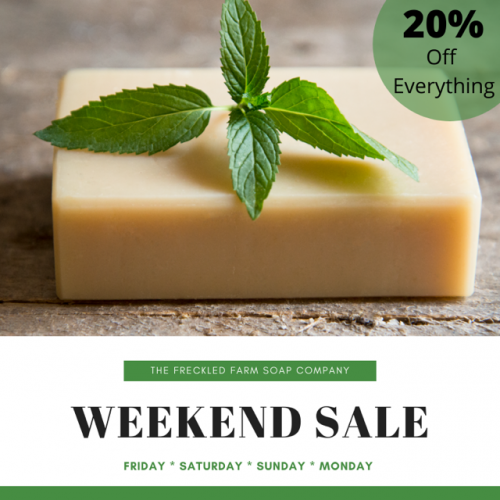
    It’s time for our biggest sale of the year! All this weekend (Friday-Monday) enjoy 20% off everything on our website and few shipping on all orders $50+!

    The Freckled Farm Soap Company Sale

    This time of year we always feel extraordinarily grateful. We are about to close out another successful year and it is all because of our wonderful loyal customers… like you! Because of you we are able to continue doing what we love, so every year we do this big holiday sale to give back to our amazing customers. Its a great time to do your holiday shopping or stock up for yourself! Head over to our website now and take advantage of our sale!

  • Homemade Blessings

    Our Goat Milk Soaps can now be found on the website Homemade Blessings!

  • Heritage Amish Furniture

    Our Goat Milk Soaps can now be found at Heritage Amish Furniture in Virginia Beach, VA!