Tag: Goat Milk Soap

  • Why Use Bar Dish Soap?

    In a world that’s becoming increasingly conscious of sustainability and environmental impact, it’s no surprise that many everyday products are undergoing a transformation to reduce waste and promote eco-friendliness. One such innovation is dish soap bars, like our Goat Milk Dish Soap Bars, a solid alternative to traditional liquid dish soap. Lets explore the numerous benefits of making the switch to a dish soap bar for your dishwashing needs.

    1. Reduced Plastic Waste

    Perhaps the most obvious benefit of using a dish soap bar is its minimal packaging. Unlike liquid dish soap, which typically comes in plastic bottles that contribute to the ever-growing plastic waste problem, dish soap bars are often sold in minimal or even plastic-free packaging. Our dish soaps come wrapped in a craft paper cigar band style packaging, with a sticker that is made of hemp. By choosing a bar like ours, you’re actively reducing your plastic footprint and helping to combat plastic pollution.

    1. Longevity

    Dish soap bars tend to last much longer than their liquid counterparts. A single bar can provide countless washes, which means you’ll need to replace it less frequently. This not only saves you money but also reduces the overall demand for dish soap production and packaging.

    1. Concentration and Efficiency

    Dish soap bars are highly concentrated, which means you need less product to get the job done. A little goes a long way, making them a cost-effective choice for your kitchen. Plus, their concentrated nature makes them efficient at cutting through grease and grime on your dishes, resulting in cleaner and shinier plates and cookware.

    1. Natural Ingredients

    Many dish soap bars are crafted with natural ingredients that are gentle on your hands and the environment. These ingredients often include plant-based oils, essential oils, and natural additives that are free from harsh chemicals and toxins. Using a natural dish soap bar can be particularly beneficial if you have sensitive skin.

    1. Versatility

    Dish soap bars aren’t just for washing dishes. They can also be used for a variety of cleaning tasks around the house. From cleaning countertops and stovetops to removing stains from clothing, their versatility makes them a valuable addition to your cleaning arsenal.

    1. Compact and Travel-Friendly

    If you love to travel or go camping, dish soap bars are a fantastic option. Their compact size and solid form make them easy to pack and transport without worrying about leaks or spills. You can even cut a small piece of the bar to take with you on your adventures.

    1. Supporting Sustainable Practices

    By purchasing dish soap bars, you’re supporting companies and artisans, like us, who prioritize sustainable practices. Many soap bar producers use ethically sourced ingredients and are committed to reducing their carbon footprint, which aligns with the growing demand for eco-conscious products.

    **Pick up one of our Dish Soap Starter packs to get everything you need for the switch over from liquid dish soaps.**

    The benefits of using a dish soap bar go beyond just convenience; they extend to environmental and personal well-being. By making the switch to this eco-friendly alternative, you can reduce plastic waste, save money, and enjoy the efficiency and versatility of a product that’s gentle on your hands and the planet. So, why not give a dish soap bar a try and contribute to a cleaner, greener future, one dish at a time?
  • The Benefits of Rosemary Essential Oil in Soap

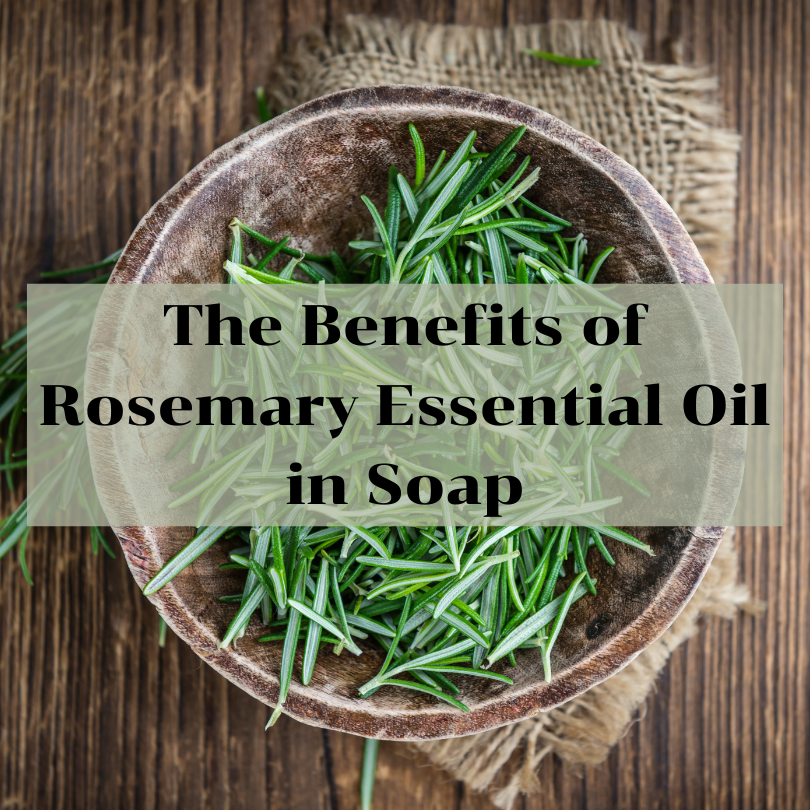
    Rosemary essential oil is a fragrant gem with a multitude of benefits. Derived from the aromatic leaves of the rosemary plant, this essential oil has been cherished for centuries for its versatile properties. When infused into soap, rosemary essential oil offers a sensory delight while delivering an array of advantages for your skin.

    The Aromatic Wonder of Rosemary

    Rosemary, with its woody and herbaceous scent, has been celebrated for its culinary and therapeutic uses throughout history. Its essential oil, extracted through steam distillation, captures the essence of this fragrant herb and brings it to life in skincare products. Let’s explore the specific benefits that rosemary essential oil brings when infused into soap:

    1. Clarifying and Balancing

    Rosemary essential oil’s astringent qualities can help clarify the skin by reducing excess oil and impurities. It’s particularly beneficial for those with oily or acne-prone skin as it aids in regulating sebum production and minimizing the appearance of pores.

    2. Soothing Irritation

    Rosemary essential oil’s anti-inflammatory properties make it a soothing choice for irritated or sensitive skin. It can help alleviate redness and inflammation.

    3. Scalp and Hair Care

    Beyond skincare, rosemary essential oil is also revered for its benefits to the scalp and hair. When used in soap, it can contribute to a healthy scalp and promote stronger, shinier hair.

    Incorporating Rosemary Essential Oil in Soap

    Including rosemary essential oil in your skincare routine can offer a range of benefits:

    1. Invigorating Shower: Use rosemary-infused soap during your shower to enjoy the refreshing and revitalizing aroma of this herb.
    2. Targeted Application: Apply rosemary-infused soap to areas of concern, such as oily T-zones or blemish-prone skin.
    3. Body Cleanse: Incorporate rosemary-infused soap into your body cleansing routine for overall skin clarity and balance.
    4. Scalp and Hair Care: Use rosemary-infused soap as a body and hair cleanser to reap its benefits for a healthy scalp and lustrous hair.

    At The Freckled Farm Soap Company we have three soaps that contain rosemary essential oil; Rosemary Mint, Sunrise Citrus, and Deep Sea Goat Milk Soaps.

    Rosemary essential oil’s exquisite aroma and remarkable benefits make it a prized addition to skincare products. Embrace the elegance of rosemary and let its natural wonders enhance your skincare ritual. Whether you seek to address specific skin concerns or simply indulge in the aromatic allure of this herb, rosemary essential oil in soap is a botanical treasure that embodies both beauty and wellness.

  • The Science Behind Natural Soaps’ Bubbles

    Have you ever wondered what creates the lather in our goat milk soaps and other natural soaps? In most commercial soaps lather is created with sulfates, but most handmade, natural soaps don’t include this, as it can be harsh on sensitive skin. So how do we naturally create bubbles? Let’s dive into the science behind what makes natural soaps lather and why they are a preferred choice for many seeking a gentle and eco-friendly cleansing experience.

    1. Surfactants: The Key to Lather

    The primary ingredient responsible for lather in natural soaps is a surfactant. Short for “surface-active agent,” a surfactant is a compound that reduces the surface tension of water. When combined with water and agitation, such as rubbing the soap between our hands, surfactants create bubbles and foam.

    Natural soaps contain gentle surfactants derived from plant-based oils or fats, such as coconut oil, olive oil, or palm oil. These surfactants are biodegradable and more environmentally friendly than synthetic ones found in commercial soaps.

    1. Saponification: The Magical Transformation

    The process that turns oils or fats into soap is known as saponification. During saponification, the triglycerides present in oils or fats react with an alkaline substance (such as lye, sodium hydroxide, or potassium hydroxide) to form soap molecules and glycerin.

    This reaction breaks down the oils into their component parts, including glycerin and fatty acid chains. The resulting soap molecules have a hydrophilic (water-attracting) head and a hydrophobic (water-repelling) tail. When you wash your hands with soap and water, these soap molecules surround and trap dirt, bacteria, and oil, allowing them to be easily washed away with water.

    1. Micelles: The Bubble Builders

    Once soap molecules form in the water, they arrange themselves into structures called micelles. Micelles are tiny clusters with their hydrophilic heads facing outward and their hydrophobic tails facing inward, creating a shield-like structure.

    When you agitate the soap solution (by rubbing your hands together, for example), the micelles are dispersed and trap air, forming the bubbles that we associate with lather.

    1. The Role of Glycerin

    In natural soaps, glycerin is a valuable byproduct of saponification. Glycerin is a humectant, meaning it attracts moisture to the skin. Unlike commercial soaps that often remove glycerin to be used in other skincare products, natural soaps retain this moisturizing component, contributing to their skin-nourishing properties.

    The captivating lather in natural soaps is the result of a delicate chemical dance between water (or milk in our case), oils or fats, and the process of saponification. As you enjoy the luxurious bubbles that cleanse and refresh your skin, you can also revel in the knowledge that natural soaps are gentle, eco-friendly, and crafted with care to preserve the skin-loving properties of the ingredients.

    Next time you reach for a natural soap, take a moment to appreciate the fascinating science behind the bubbles, and rest assured that you are making a mindful choice for your skin and the environment.

  • Ten Year Anniversary

    Earlier this month we celebrated the tenth anniversary of when we started The Freckled Farm Soap Company. This time ten years ago we were in the last stages of perfecting our goat milk soap recipe after a year of tiny tweaks and starting all of the paperwork to make our business official. We had the desire to create a high quality, eco friendly, affordable product but more than anything we had the desire to work and be together as a family.

    This anniversary is a huge milestone. While we hoped this is where the business would be ten years later we felt it was a long shot. We have gone through so many changes over the years and after our biggest change, during covid when we went from depending mostly on farmers markets for sales to depending on online sales, our customers adjusted and changed with us. We are forever grateful for those of you who have helped get us here.

    Thank you to all of you who have held us up and helped us grow over the last decade.

  • Summer Skin Care: Essential Tips for Healthy and Radiant Skin

    As the sun shines brightly and the temperatures rise, it’s time to give our skin some extra TLC during the summer months. The combination of heat, humidity, and increased sun exposure can pose unique challenges to our skin’s health and appearance. In this blog post, we will explore essential summer skin care tips and practices to help you maintain healthy, hydrated, and glowing skin throughout the season.

    1. Sun Protection:

    The summer sun can be harsh on your skin, leading to sunburn, premature aging, and an increased risk of skin cancer. Protecting your skin from harmful UV rays is crucial. Apply a broad-spectrum sunscreen with an SPF of 30 or higher before heading outdoors, and reapply every two hours, especially if you’re swimming or sweating. Don’t forget to shield your face with a wide-brimmed hat and wear sunglasses to protect your delicate eye area.

    1. Hydration is Key:

    Hot weather and increased outdoor activities can dehydrate your skin. Stay hydrated by drinking plenty of water throughout the day to maintain optimal moisture levels. Additionally, incorporate hydrating skincare products into your routine. Look for lightweight, water-based moisturizers and facial mists to replenish and refresh your skin. Avoid hot showers and opt for lukewarm water, as hot water can strip away oils, leading to dryness.

    1. Gentle Cleansing:

    Sweat, sunscreen, and environmental pollutants can accumulate on your skin during summer. Proper cleansing is crucial to remove impurities and prevent clogged pores. Use a gentle cleanser twice a day to wash away dirt and excess oil. Avoid harsh or abrasive scrubs that can irritate your skin. Opt for natural ingredients like aloe vera or cucumber to soothe and cool your skin.

    Our Summer Goat Milk Soap is made especially for this time of year. In additional to our normal oils and goat milk, this bar contains aloe and green tea, making it soothing and highly moisturizing.

    1. Exfoliation:

    Regular exfoliation helps to slough off dead skin cells, keeping your complexion fresh and bright. However, be mindful of not over-exfoliating, as it can lead to skin irritation. Choose a gentle exfoliator suitable for your skin type and use it once or twice a week. Exfoliating can also help prepare your skin for better absorption of moisturizers and other skincare products.

    1. Lightweight Makeup:

    During summer, heavy makeup can clog your pores and make your skin feel suffocated. Opt for lightweight and oil-free makeup products, such as tinted moisturizers or BB creams, that provide coverage while allowing your skin to breathe. Consider using waterproof or water-resistant formulas to prevent makeup from smudging or melting in the heat.

    1. Cool Showers and Hydration Masks:

    After a day in the sun, treat your skin to a refreshing cool shower. Not only will it help lower your body temperature, but it will also soothe your skin. Additionally, indulge in hydrating face masks once or twice a week to replenish moisture and give your skin a revitalizing boost.

    1. Stay in the Shade:

    Seek shade during peak sun hours, usually between 10 am and 4 pm when the sun’s rays are the strongest. This will minimize your exposure to harmful UV radiation and reduce the risk of sunburn and skin damage. Take breaks indoors, sit under an umbrella, or wear protective clothing to shield your skin from direct sunlight.

    Taking care of your skin during the summer is essential for maintaining its health, hydration, and radiance. By incorporating these tips into your skincare routine, you can protect your skin from sun damage, dehydration, and other summer-related challenges. Remember to prioritize sun protection, hydrate your skin, and adjust your skincare regimen to suit the season. Embrace the beauty of summer while keeping your skin healthy, glowing, and ready to enjoy the sunny days ahead.

  • The History of Goat Milk in Skincare

    The use of goat milk in skincare dates back centuries, with cultures around the world recognizing its remarkable benefits for the skin. From ancient civilizations to modern skincare routines, goat milk has stood the test of time as a coveted ingredient.

    Ancient Civilizations:

    Goat milk’s use in skincare can be traced back to ancient civilizations such as Egypt and Greece. Egyptian queens like Cleopatra were renowned for their beauty, and it is said that they indulged in luxurious goat milk baths to maintain their radiant complexions. The high nutritional content of goat milk was believed to enhance their skin’s vitality and youthfulness.

    Traditional Remedies:

    In many cultures, goat milk has been cherished for its healing properties. In traditional Ayurvedic medicine, goat milk has long been used for its cooling and soothing effects on the skin, making it a popular ingredient in skincare preparations. Native American tribes also recognized the nourishing and calming benefits of goat milk and utilized it in their natural remedies.

    Europe and the Renaissance:

    During the Renaissance period, goat milk continued to hold its place in skincare. Wealthy Europeans turned to goat milk for its reputed ability to improve skin texture, fight signs of aging, and maintain a healthy complexion. Goat milk soaps and creams were highly valued for their moisturizing and soothing properties.

    Modern Skincare Revival:

    In recent years, goat milk has experienced a resurgence in popularity in the skincare industry. As more people seek natural and gentle alternatives for their skincare needs, goat milk has emerged as a beloved ingredient. The understanding of goat milk’s rich composition, including vitamins, minerals, proteins, and fatty acids, has reinforced its reputation as a powerhouse for skin health.

    Scientific Backing:

    Scientific research has provided insights into the benefits of goat milk for the skin. Studies have demonstrated the presence of lactic acid, alpha-hydroxy acids, and vitamins A and E in goat milk, which contribute to its moisturizing, exfoliating, and antioxidant properties. These findings have further supported the historical use of goat milk in skincare and fueled its popularity in modern formulations.

    Versatility in Skincare:

    Today, goat milk is incorporated into a wide range of skincare products, including cleansers, soaps, moisturizers, masks, and creams. Its gentle nature makes it suitable for various skin types, including sensitive, dry, and mature skin. The hydrating, nourishing, and soothing qualities of goat milk continue to make it a sought-after ingredient for those seeking healthy and radiant skin.

    The history of goat milk in skincare is a testament to its enduring allure and effectiveness. From ancient civilizations to modern skincare enthusiasts, the use of goat milk has transcended time and borders. With its rich composition and remarkable benefits, goat milk remains a cherished ingredient in skincare routines worldwide. Embrace the traditions of the past and harness the power of goat milk to experience the timeless beauty it imparts to your skin.

  • How to Use a Soap Saver Bag

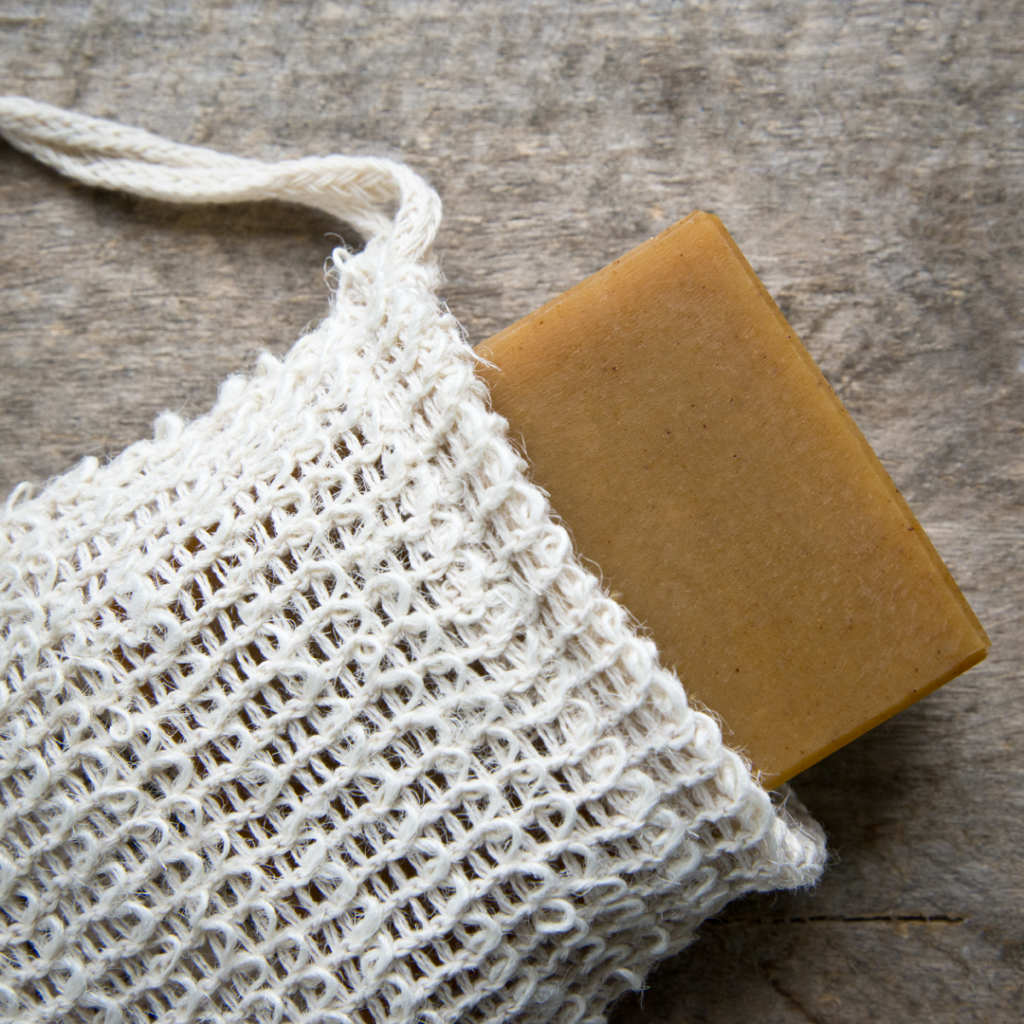
    A Soap Saver Bag is a small mesh bag that is designed to hold and extend the life of a bar of soap. It is a great alternative to using a washcloth or loofah and can help you get the most out of your soap.

    How to Use:

    1. Wet the Bag

    Start by wetting the bag with warm water. This will help to soften the mesh.

    1. Insert the Bar of Soap

    Insert the bar of soap into the bag. You can either place the entire bar in the bag or cut it into smaller pieces if you prefer. The bag will keep the soap from slipping out of your hands while providing a gentle exfoliation.

    1. Use the Soap Saver Bag

    Rub the Soap Saver Bag between your hands to create a lather. The bag will help to produce more foam and distribute the soap evenly. You can then use the bag to wash your body, face, or hands.

    1. Rinse the Bag

    After using the bag, rinse it thoroughly with warm water. Squeeze out any excess water and hang the bag to dry. Avoid leaving the bag in standing water, as this can cause mold or mildew to grow.

    1. Replace the Bar of Soap

    When the soap is depleted, remove any remaining pieces from the bag and insert a new bar of soap. You can reuse the same bag multiple times, but it’s a good idea to replace it every few weeks to keep it fresh.

    A Soap Saver Bag is a simple and effective way to extend the life of your natural soap while providing a gentle exfoliation. By following these simple steps, you can enjoy a rich lather and clean, healthy skin every time you use your Soap Saver Bag.

    Purchase one of our All Natural Soap Saver Bags Here

  • How to Care for Your Skin During the Spring Season

    Spring is a season of change, and that includes changes in your skin. As the weather gets warmer, you may notice that your skin becomes oilier, more prone to breakouts, and generally more sensitive. Today we will discuss some essential tips on how to take care of your skin during the Spring season.

    1. Hydrate

    Staying hydrated is essential to maintain healthy skin. As the weather gets warmer, you may sweat more, leading to dehydration. Therefore, it’s important to drink plenty of water and other hydrating fluids like coconut water or herbal tea. Personally, I am partial to cucumber water this time of year.

    1. Protect from the sun

    The sun’s rays can cause premature aging, wrinkles, and sun damage. Therefore, it’s essential to protect your skin from harmful UV rays by wearing a broad-spectrum sunscreen with an SPF of at least 30. It’s also important to wear protective clothing like hats, sunglasses, and long-sleeved shirts.

    1. Exfoliate

    Exfoliating your skin helps to remove dead skin cells, unclog pores, and reveal smoother, brighter skin. During the Spring season, you may need to exfoliate more often as your skin produces more oil. However, it’s important not to over-exfoliate, as this can cause irritation and sensitivity.

    We have an all natural body brush and facial brush to help you achieve your exfoliating needs.

    1. Moisturize

    Moisturizing your skin is essential to keep it hydrated, plump, and healthy. While most reach for the lotion during the dryer winter months it’s important to maintain that routine through the warmer seasons.

    1. Change your skincare routine

    As the weather changes, you may need to change your skincare routine. Switch to lighter products and formulations to avoid clogging pores. You may also need to adjust the frequency of your skincare routine depending on your skin’s needs.

    1. Be mindful of allergies

    Spring is a season of allergies, and this can affect your skin as well. If you suffer from allergies, you may notice that your skin becomes more sensitive, red, or itchy. Therefore, it’s important to avoid allergens and take allergy medication if necessary.

    Taking care of your skin during the Spring season is essential to maintain healthy, glowing skin. With a few simple changes to your skincare routine, you can enjoy beautiful, healthy skin all Spring long.

  • 5 Reasons to Use Bar Shampoo on Your Dog Instead of Liquid Shampoo

    Frankie getting a bath with our Canine Shampoo!

    When it comes to grooming our furry friends, choosing the right shampoo can make all the difference. While traditional liquid shampoos have been the norm for decades, a new alternative is making waves in the pet grooming industry: bar shampoo.

    While it may seem odd to use a bar soap on a dog, there are actually many benefits to this method of bathing. In this blog post, we’ll explore why bar shampoo is a better option for your dog than liquid shampoo.

    1. Environmental Friendliness

    One of the biggest advantages of using a bar shampoo for your dog is the environmental impact. Traditional liquid shampoos come in plastic bottles that are often not recyclable, leading to a huge amount of plastic waste. In contrast, bar shampoos, like ours, are packaged in paper or cardboard, which can be easily recycled or composted.

    1. Longevity

    Another advantage of bar shampoo is that it lasts longer than liquid shampoo. When you use liquid shampoo it feels like you need to put a ton on them because it is not as easy to move it around the dog’s body. Since you don’t need to use as much product to get a good lather, a single bar can last much longer than a bottle of liquid shampoo. This means that you’ll save money in the long run and won’t need to buy shampoo as frequently.

    1. Ease of Use

    While it may seem like using a bar shampoo would be more difficult than a liquid, it’s actually quite easy. Simply wet your dog’s fur, rub the bar of soap onto their coat, and lather as usual. Since the bar is easier to grip than a slippery bottle, it can actually be easier to use and get an even distribution of soap when you’re trying to hold onto a wriggling dog.

    1. Natural Ingredients

    Our Canine Goat Milk Soap is made with all-natural ingredients, which can be beneficial for your pet’s health. Traditional liquid shampoos often contain harsh chemicals that can strip your dog’s coat of its natural oils and cause dryness or irritation.

    1. Portability

    If you’re someone who likes to take their dog on the go, bar shampoo is a great option. Since it doesn’t come in a bulky bottle, it’s much easier to pack in your bag or take with you on camping trips or hikes. It also won’t leak out into your bag!

    There are many reasons why bar shampoo is a better option for your dog than liquid shampoo. From environmental friendliness to natural ingredients and ease of use, bar shampoo is a great choice for anyone looking to give their furry friend a good bath.

  • 4 Reasons to Switch to Natural Soap

    As we become more conscious of what we put in and on our bodies, natural soaps are gaining popularity. Traditional soaps that are widely available in stores often contain harsh chemicals and synthetic fragrances that can be harmful to both our skin and the environment. Switching to natural soaps is not only better for our health but also for the planet. In this blog post, we will explore the reasons why you should consider using natural soaps.

    1. No Harsh Chemicals

    The majority of commercial soaps contain harsh chemicals that can cause skin irritation, allergic reactions, and even contribute to chronic health problems. Many of these chemicals are synthetic, and when they are washed down the drain, they can contaminate waterways and harm aquatic life. Natural soaps, on the other hand, are made from plant-based ingredients, such as coconut oil, olive oil, and shea butter. They contain no artificial colors, fragrances, or preservatives.

    2. Better for Sensitive Skin

    If you have sensitive skin, you know how challenging it can be to find a soap that won’t cause irritation. Natural soaps are often gentler on the skin because they contain nourishing ingredients that help moisturize and soothe dry or irritated skin. Additionally, natural soaps are often unscented, which means that they are less likely to cause allergic reactions.

    3. Environmental Benefits

    The chemicals found in commercial soaps can have a significant impact on the environment. When these chemicals are washed down the drain, they can end up in waterways, polluting rivers and oceans. Natural soaps, on the other hand, are biodegradable, which means that they break down easily and don’t harm the environment.

    4. Supporting Small Businesses

    Many natural soap makers, like us, are small businesses that rely on local ingredients and suppliers. By purchasing natural soaps, you are not only supporting small businesses but also helping to reduce the carbon footprint associated with shipping products long distances.

    In conclusion, natural soaps are a safer, healthier, and more eco-friendly alternative to traditional soaps. By making the switch to natural soaps, you can take care of your skin while also taking care of the planet. So, next time you’re shopping for soap, consider opting for a natural option – your skin and the environment will thank you!