Category: Fun Farm Facts Friday

  • Fun Farm Facts Friday – December 25th

    This is it! The very last fun farm fact! It has been an amazing year! I hope that you enjoyed this series and learned a lot.

    Abraham Lincoln’s sons had two goats that lived in the white house with them! Forget the “first dog”… The “first goat” sounds a whole lot better to me!

  • Fun Farm Facts Friday – December 18th

    After this week there is only one more fact!!

    There is over 210 different breeds of goat in the world!! Only a small fraction of these breeds are in the United States. In fact, there are only 8 common dairy goat breeds here in the US.

  • Fun Farm Facts Friday – December 11th

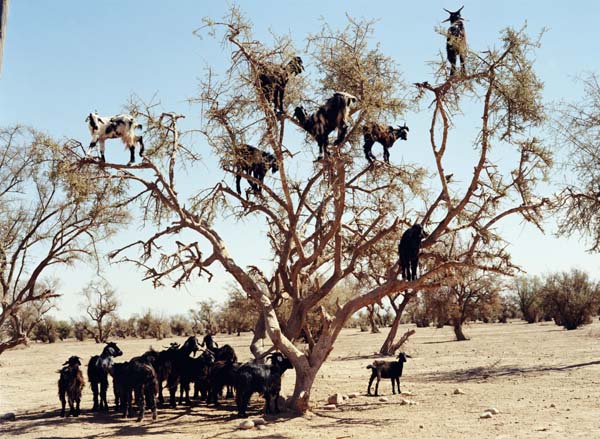
    Goats have excellent coordination. In certain parts of the world you can see goats scaling mountains and climbing trees. Goats love to climb! Many farmers will put ramps and toys in their pastures so goats can play.

    goat-treesPhoto Credit: Viralnova 


  • Fun Farm Facts Friday – December 4th

    I can’t believe it’s December! We have almost reached the end of our Fun Farm Facts. Only 4 more facts before the series is over! I hope you feel like you have learned a lot over the year.

    The average milk production for a dairy goat is 1,500 pounds per year in the goat’s prime! This can vary widely based on the individual goats and breed. Small breed goats like Nigerian Dwarfs give signification less, while some of the standard breed goats, like Toggenburgs, give more. On average Nubians gives over a gallon day. Our girls have always been exceptional milkers!
  • Fun Farm Facts Friday – November 27th

    Today’s farm fact is about goat udders!

    Goats have two teats (nipples). However, occasionally a goat will be born with an additional teat! Goat udders consist of two separate halves, each with their own mammary gland. When milking each side must be milked all the way out.

  • Fun Farm Facts Friday – November 20th

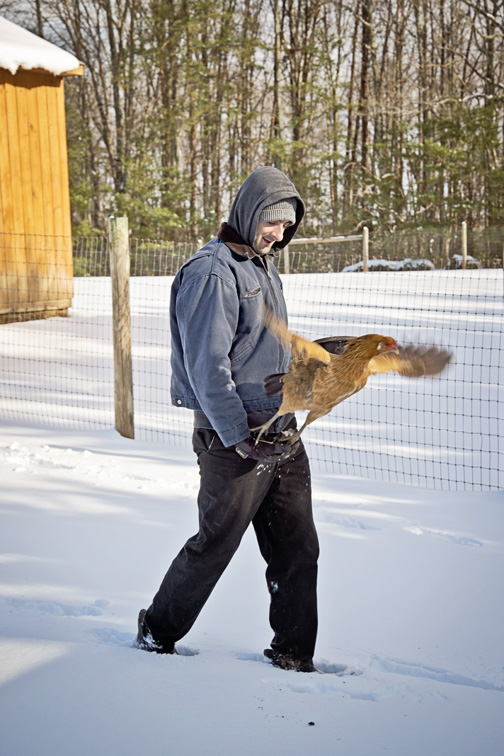
    Did you know that chickens are not completely flightless? Chickens will fly short distances, usually in order to get over a fence or into a tree. In the picture the chicken doesn’t want to touch the snow, so she flew out of Kevin’s hands into the coop.

    Chicken Flying - The Freckled Farm

  • Fun Farm Facts Friday – November 13th

    We have another chicken/egg fact today!

    Eggs

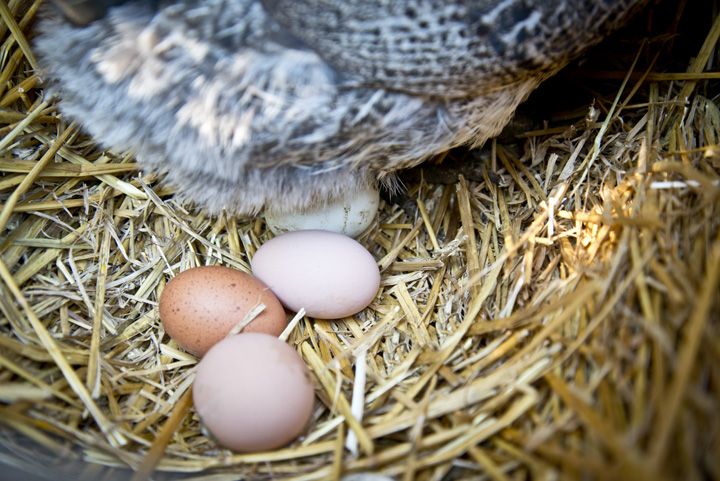
    When collecting eggs for the day it is very easy to tell which eggs were laid most recently because a freshly laid egg is 105 fahrenheit! That’s one hot egg!

  • Fun Farm Facts Friday – November 6th

    It takes a fertilized egg being held at 88 degrees (incubation with a broody hen or a incubator) for an extended period of time for an embro to start forming, and 21 days at this temperature for a chick to hatch. Since farmers collect eggs daily it is highly unlikely that you will ever notice a difference between fertilized and non-fertilized eggs as a consumer.

  • Fun Farm Facts Friday – October 30th

    Have you ever heard people talking about farm animals and been confused about the terminology they were using? With this week’s farm fact I’m here to help! Below you will find several terms used when describing the farm animals that we have. These are terms that you might see pop up from time to time on our blog.

    Goats:

    • Kid – Baby goat
    • Doe – Female goat
    • Doeling – A young female goat, generally under a year
    • Buck – Male goat
    • Buckling – Baby male goat, generally under a year
    • Wether – Castrated male
    • Billy – Older intact male
    • Dam – Mother goat
    • Sire – Father goat

    Chickens:

    • Chick – Baby chicken
    • Pullet – Female chicken until they are old enough to lay eggs
    • Hen – Female chicken of laying age
    • Rooster – Male chicken (also called cock or cockerel)

    Llamas:

    • Cria – Baby llama
    • Maiden – Female llama who has not been bred yet
    • Yearling – One year old llama
    • Dam – Mother goat
    • Sire – Father goat
  • Fun Farm Facts Friday – October 23rd

    Many people think that it is necessary to have a rooster with your hens in order to get eggs, but this isn’t true. Hens will lay with or without a rooster. Chickens lay eggs the same way humans ovulate, however instead of releasing one egg a month like humans do they release an egg daily to every few days.