Author: Crystal

  • The Science Behind Natural Soaps’ Bubbles

    Have you ever wondered what creates the lather in our goat milk soaps and other natural soaps? In most commercial soaps lather is created with sulfates, but most handmade, natural soaps don’t include this, as it can be harsh on sensitive skin. So how do we naturally create bubbles? Let’s dive into the science behind what makes natural soaps lather and why they are a preferred choice for many seeking a gentle and eco-friendly cleansing experience.

    1. Surfactants: The Key to Lather

    The primary ingredient responsible for lather in natural soaps is a surfactant. Short for “surface-active agent,” a surfactant is a compound that reduces the surface tension of water. When combined with water and agitation, such as rubbing the soap between our hands, surfactants create bubbles and foam.

    Natural soaps contain gentle surfactants derived from plant-based oils or fats, such as coconut oil, olive oil, or palm oil. These surfactants are biodegradable and more environmentally friendly than synthetic ones found in commercial soaps.

    1. Saponification: The Magical Transformation

    The process that turns oils or fats into soap is known as saponification. During saponification, the triglycerides present in oils or fats react with an alkaline substance (such as lye, sodium hydroxide, or potassium hydroxide) to form soap molecules and glycerin.

    This reaction breaks down the oils into their component parts, including glycerin and fatty acid chains. The resulting soap molecules have a hydrophilic (water-attracting) head and a hydrophobic (water-repelling) tail. When you wash your hands with soap and water, these soap molecules surround and trap dirt, bacteria, and oil, allowing them to be easily washed away with water.

    1. Micelles: The Bubble Builders

    Once soap molecules form in the water, they arrange themselves into structures called micelles. Micelles are tiny clusters with their hydrophilic heads facing outward and their hydrophobic tails facing inward, creating a shield-like structure.

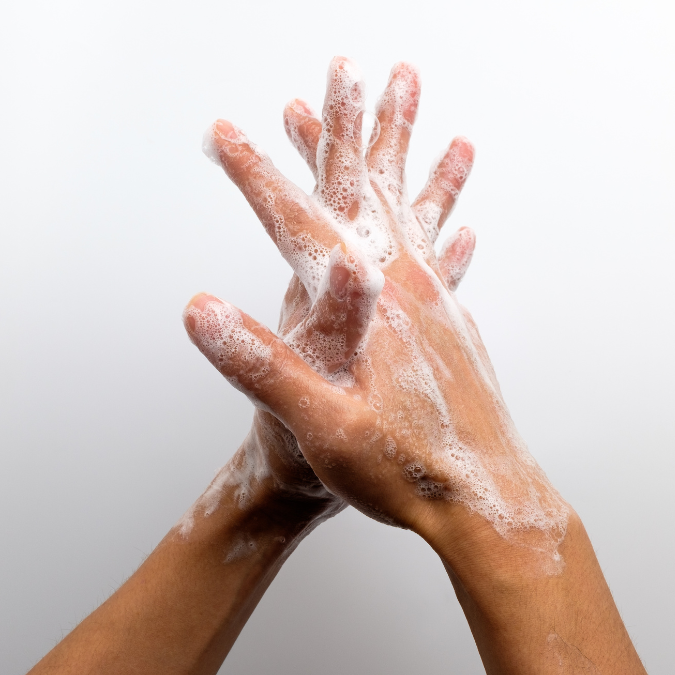
    When you agitate the soap solution (by rubbing your hands together, for example), the micelles are dispersed and trap air, forming the bubbles that we associate with lather.

    1. The Role of Glycerin

    In natural soaps, glycerin is a valuable byproduct of saponification. Glycerin is a humectant, meaning it attracts moisture to the skin. Unlike commercial soaps that often remove glycerin to be used in other skincare products, natural soaps retain this moisturizing component, contributing to their skin-nourishing properties.

    The captivating lather in natural soaps is the result of a delicate chemical dance between water (or milk in our case), oils or fats, and the process of saponification. As you enjoy the luxurious bubbles that cleanse and refresh your skin, you can also revel in the knowledge that natural soaps are gentle, eco-friendly, and crafted with care to preserve the skin-loving properties of the ingredients.

    Next time you reach for a natural soap, take a moment to appreciate the fascinating science behind the bubbles, and rest assured that you are making a mindful choice for your skin and the environment.
  • Are Hot Showers Bad for Your Skin?

    Hot showers are often a comforting and relaxing part of our daily routine. However, concerns have been raised about their potential negative effects on the skin. In this blog post, we will explore the impact of hot showers on the skin and uncover the truth behind whether they are truly detrimental or simply require a balanced approach.

    1. Stripping Natural Oils: One of the main concerns associated with hot showers is their tendency to strip the skin of its natural oils. Prolonged exposure to hot water can disrupt the skin’s lipid barrier, leading to dryness, tightness, and potential irritation. This can be particularly problematic for individuals with pre-existing dry skin conditions.
    2. Increased Moisture Loss: Hot water can accelerate the evaporation of moisture from the skin’s surface. This can leave the skin feeling dehydrated and contribute to a compromised moisture balance. Over time, excessive moisture loss can lead to a weakened skin barrier, making it more susceptible to environmental irritants and allergens.
    3. Aggravation of Skin Conditions: If you have sensitive or inflammatory skin conditions such as eczema, rosacea, or psoriasis, hot showers can potentially exacerbate symptoms. The heat can dilate blood vessels and trigger flushing, itching, and redness. It is advisable to consult with a dermatologist to determine the optimal shower temperature and duration for your specific skin condition.
    4. Impact on Acne: Hot showers may not be the best choice for individuals with acne-prone skin. The heat can increase blood flow to the skin, potentially exacerbating inflammation and acne breakouts. Warm water is generally recommended for cleansing acne-prone skin to avoid overstimulation.
    5. Maintenance of Skin’s Natural pH: Hot showers can disrupt the skin’s natural pH balance. The hot water’s alkaline properties can strip away the slightly acidic protective layer of the skin, leaving it vulnerable to dryness, irritation, and potential bacterial growth. It is crucial to follow up with a gentle, pH-balanced cleanser and moisturizer after a hot shower to restore the skin’s optimal pH.
    6. Finding the Right Balance: While hot showers may have potential drawbacks, finding the right balance is key. Opting for warm showers instead of scalding hot ones can help minimize the adverse effects on the skin. Limiting the duration of your showers and using gentle, hydrating cleansers can further mitigate any potential damage to the skin’s moisture barrier.

    While indulging in a hot shower can be a comforting experience, it is important to be aware of the potential impact on your skin. By practicing moderation, using warm water, and maintaining a proper skincare routine, you can minimize any potential negative effects. Ultimately, understanding your skin’s unique needs and finding the right balance will help you enjoy your shower while keeping your skin healthy, hydrated, and radiant.

  • Can Germs Live on Soap?

    In our quest to maintain good hygiene and protect ourselves from harmful germs, we often wonder about the effectiveness of our cleaning tools. Soap, a staple in our daily routine, is designed to remove dirt, oils, and germs from our skin. However, a common question arises: Can germs actually live on bar soap? In this blog post, we will delve into this topic and debunk the myth surrounding the longevity of germs on soap.

    1. Soap’s Mechanism of Action: To understand the answer, it’s important to grasp how soap works. Soap molecules have a unique structure: one end attracts water (hydrophilic) and the other repels it (hydrophobic). When you lather soap with water, it forms micelles that surround and trap dirt, oils, and microorganisms, including germs and bacteria. Through the mechanical action of rubbing and rinsing, these trapped particles are washed away, leaving your hands clean.
    2. Short-lived Survival: The composition and nature of soap make it an inhospitable environment for germs to survive. The hydrophobic nature of soap, along with its ability to disrupt the lipid membranes of bacteria and viruses, contributes to their removal during the washing process. Any germs present on the soap’s surface or in the lather are effectively rinsed away with water.
    3. Self-Cleansing Properties: Soap possesses self-cleansing properties due to its cleansing action and interaction with water. As you rinse the soap under running water, any remaining microorganisms are flushed away, preventing them from lingering on the soap’s surface. This constant rinsing ensures that the soap itself remains clean and free from viable germs.
    4. Lack of Moisture: Germs, including bacteria and viruses, require moisture to survive and multiply. Unlike moist environments, such as skin or other surfaces, soap is not a conducive environment for germs to thrive. Its low water content and high alkaline pH further inhibit the survival and growth of microorganisms.
    5. Continuous Cleansing Cycle: Each time you use soap, you initiate a cycle of cleaning. When you lather and rinse, the soap removes germs from your hands, along with any dirt or oils. As a result, the soap is left with significantly reduced or negligible microbial presence. The next time you use the soap, the process repeats, ensuring a fresh and clean application.

    Contrary to popular belief, germs cannot live on soap for an extended period. The combination of soap’s structure, self-cleansing properties, lack of moisture, and continuous cleansing cycle effectively removes and eliminates germs from its surface. By following proper handwashing techniques, including thorough lathering and rinsing, you can confidently rely on soap as an effective tool in maintaining proper hygiene. So, continue to embrace the power of soap, knowing that it serves as a formidable ally in the battle against germs and keeps you on the path to a healthier and cleaner lifestyle.

  • Daily Habits That Harm Your Skin

    We all strive for healthy, glowing skin, but sometimes our daily habits unknowingly work against our skincare goals. Certain routine activities can have a negative impact on our skin’s health and appearance. Our goal with this post is to shed light on some common everyday habits that are bad for your skin, helping you identify and address these skin saboteurs for a more radiant complexion.

    1. Sleeping with Makeup On:

    After a long day, it’s tempting to skip the makeup removal process and hit the pillow. However, leaving makeup on overnight can clog pores, lead to breakouts, and contribute to dull skin. Always make it a priority to cleanse your face and remove all makeup before bed to allow your skin to breathe and rejuvenate while you sleep.

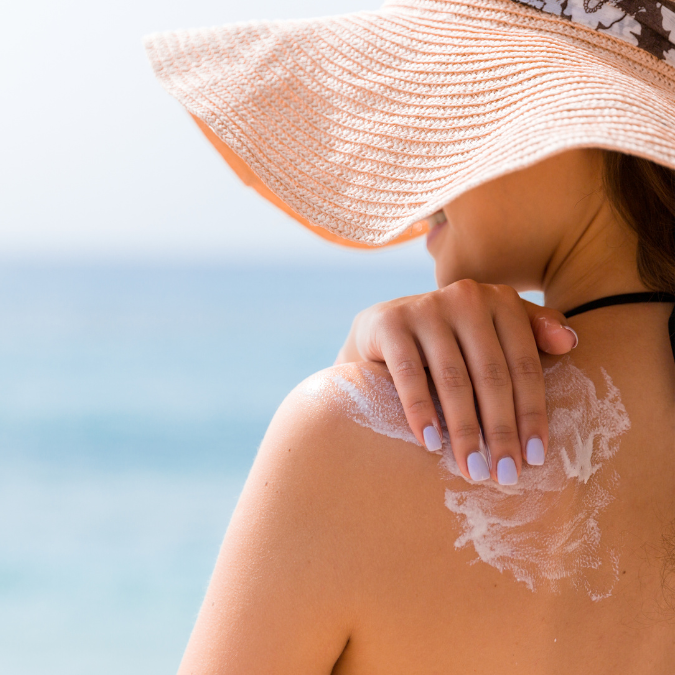
    1. Overexposure to the Sun:

    Excessive sun exposure without proper protection can lead to a multitude of skin problems, including premature aging, sunburn, dark spots, and an increased risk of skin cancer. Make sure to apply broad-spectrum sunscreen with a high SPF, wear protective clothing, and seek shade during peak sun hours to shield your skin from harmful UV rays.

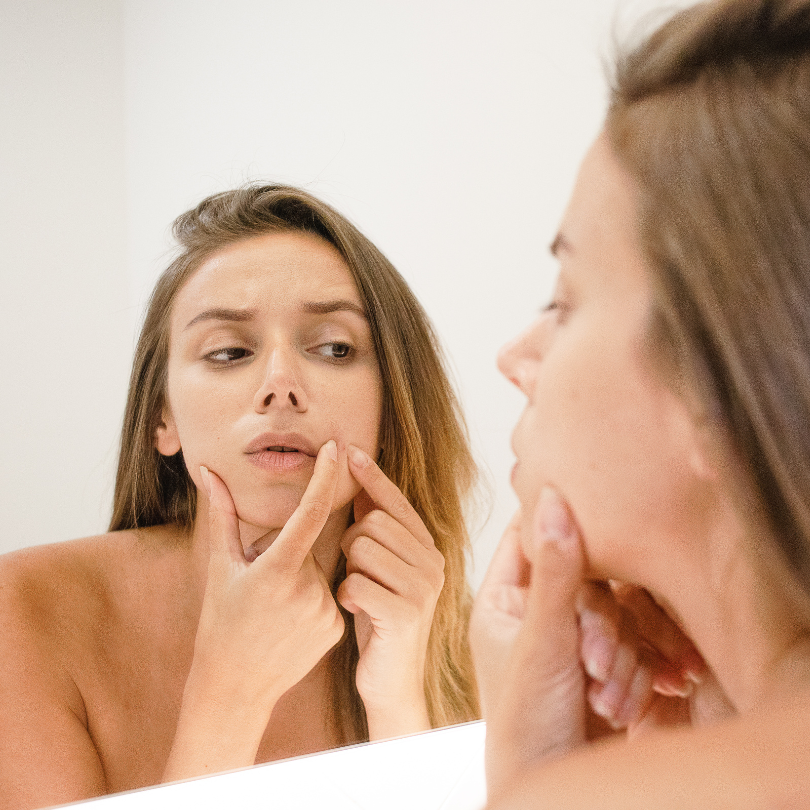
    1. Picking at Blemishes:

    We’ve all been tempted to squeeze or pick at a pimple, but this habit can worsen the situation. Picking at blemishes can introduce bacteria, cause inflammation, and potentially lead to scarring. Instead, practice gentle cleansing, use targeted acne treatments, and let blemishes heal naturally to minimize potential damage.

    1. Smoking:

    Smoking is detrimental to overall health, and its impact on the skin is no exception. Smoking narrows blood vessels, reducing blood flow and depriving the skin of essential oxygen and nutrients. This can lead to a dull complexion, fine lines, wrinkles, and a higher risk of skin cancer. Quitting smoking or avoiding secondhand smoke can significantly improve your skin’s health and appearance.

    1. Poor Nutrition and Dehydration:

    A balanced diet and proper hydration are crucial for healthy skin. Consuming excessive sugar, processed foods, and unhealthy fats can contribute to inflammation and skin issues. Additionally, inadequate water intake can leave your skin dehydrated and lacking a radiant glow. Focus on a diet rich in fruits, vegetables, lean proteins, and healthy fats, while ensuring you drink enough water daily to support your skin’s health from within.

    1. Harsh Cleansing and Excessive Exfoliation:

    While it’s important to keep your skin clean, overdoing it can strip away natural oils and disrupt the skin’s barrier function. Avoid harsh cleansers that can cause dryness and irritation, and opt for gentle, pH-balanced products suitable for your skin type (like our goat milk soaps). Similarly, excessive exfoliation can lead to redness, sensitivity, and micro-tears in the skin. Stick to a regular exfoliation routine that suits your skin’s needs, typically 1-2 times per week.

    Taking care of your skin involves not only adopting beneficial habits but also recognizing and avoiding detrimental ones. By being mindful of daily activities that harm your skin, such as sleeping with makeup on, overexposure to the sun, picking at blemishes, smoking, poor nutrition, and harsh cleansing/exfoliation, you can make positive changes to protect and improve your skin’s health. Embrace healthy skincare practices, and your skin will thank you with a radiant and youthful appearance for years to come.

  • Ten Year Anniversary

    Earlier this month we celebrated the tenth anniversary of when we started The Freckled Farm Soap Company. This time ten years ago we were in the last stages of perfecting our goat milk soap recipe after a year of tiny tweaks and starting all of the paperwork to make our business official. We had the desire to create a high quality, eco friendly, affordable product but more than anything we had the desire to work and be together as a family.

    This anniversary is a huge milestone. While we hoped this is where the business would be ten years later we felt it was a long shot. We have gone through so many changes over the years and after our biggest change, during covid when we went from depending mostly on farmers markets for sales to depending on online sales, our customers adjusted and changed with us. We are forever grateful for those of you who have helped get us here.

    Thank you to all of you who have held us up and helped us grow over the last decade.

  • Summer Skin Care: Essential Tips for Healthy and Radiant Skin

    As the sun shines brightly and the temperatures rise, it’s time to give our skin some extra TLC during the summer months. The combination of heat, humidity, and increased sun exposure can pose unique challenges to our skin’s health and appearance. In this blog post, we will explore essential summer skin care tips and practices to help you maintain healthy, hydrated, and glowing skin throughout the season.

    1. Sun Protection:

    The summer sun can be harsh on your skin, leading to sunburn, premature aging, and an increased risk of skin cancer. Protecting your skin from harmful UV rays is crucial. Apply a broad-spectrum sunscreen with an SPF of 30 or higher before heading outdoors, and reapply every two hours, especially if you’re swimming or sweating. Don’t forget to shield your face with a wide-brimmed hat and wear sunglasses to protect your delicate eye area.

    1. Hydration is Key:

    Hot weather and increased outdoor activities can dehydrate your skin. Stay hydrated by drinking plenty of water throughout the day to maintain optimal moisture levels. Additionally, incorporate hydrating skincare products into your routine. Look for lightweight, water-based moisturizers and facial mists to replenish and refresh your skin. Avoid hot showers and opt for lukewarm water, as hot water can strip away oils, leading to dryness.

    1. Gentle Cleansing:

    Sweat, sunscreen, and environmental pollutants can accumulate on your skin during summer. Proper cleansing is crucial to remove impurities and prevent clogged pores. Use a gentle cleanser twice a day to wash away dirt and excess oil. Avoid harsh or abrasive scrubs that can irritate your skin. Opt for natural ingredients like aloe vera or cucumber to soothe and cool your skin.

    Our Summer Goat Milk Soap is made especially for this time of year. In additional to our normal oils and goat milk, this bar contains aloe and green tea, making it soothing and highly moisturizing.

    1. Exfoliation:

    Regular exfoliation helps to slough off dead skin cells, keeping your complexion fresh and bright. However, be mindful of not over-exfoliating, as it can lead to skin irritation. Choose a gentle exfoliator suitable for your skin type and use it once or twice a week. Exfoliating can also help prepare your skin for better absorption of moisturizers and other skincare products.

    1. Lightweight Makeup:

    During summer, heavy makeup can clog your pores and make your skin feel suffocated. Opt for lightweight and oil-free makeup products, such as tinted moisturizers or BB creams, that provide coverage while allowing your skin to breathe. Consider using waterproof or water-resistant formulas to prevent makeup from smudging or melting in the heat.

    1. Cool Showers and Hydration Masks:

    After a day in the sun, treat your skin to a refreshing cool shower. Not only will it help lower your body temperature, but it will also soothe your skin. Additionally, indulge in hydrating face masks once or twice a week to replenish moisture and give your skin a revitalizing boost.

    1. Stay in the Shade:

    Seek shade during peak sun hours, usually between 10 am and 4 pm when the sun’s rays are the strongest. This will minimize your exposure to harmful UV radiation and reduce the risk of sunburn and skin damage. Take breaks indoors, sit under an umbrella, or wear protective clothing to shield your skin from direct sunlight.

    Taking care of your skin during the summer is essential for maintaining its health, hydration, and radiance. By incorporating these tips into your skincare routine, you can protect your skin from sun damage, dehydration, and other summer-related challenges. Remember to prioritize sun protection, hydrate your skin, and adjust your skincare regimen to suit the season. Embrace the beauty of summer while keeping your skin healthy, glowing, and ready to enjoy the sunny days ahead.

  • The History of Goat Milk in Skincare

    The use of goat milk in skincare dates back centuries, with cultures around the world recognizing its remarkable benefits for the skin. From ancient civilizations to modern skincare routines, goat milk has stood the test of time as a coveted ingredient.

    Ancient Civilizations:

    Goat milk’s use in skincare can be traced back to ancient civilizations such as Egypt and Greece. Egyptian queens like Cleopatra were renowned for their beauty, and it is said that they indulged in luxurious goat milk baths to maintain their radiant complexions. The high nutritional content of goat milk was believed to enhance their skin’s vitality and youthfulness.

    Traditional Remedies:

    In many cultures, goat milk has been cherished for its healing properties. In traditional Ayurvedic medicine, goat milk has long been used for its cooling and soothing effects on the skin, making it a popular ingredient in skincare preparations. Native American tribes also recognized the nourishing and calming benefits of goat milk and utilized it in their natural remedies.

    Europe and the Renaissance:

    During the Renaissance period, goat milk continued to hold its place in skincare. Wealthy Europeans turned to goat milk for its reputed ability to improve skin texture, fight signs of aging, and maintain a healthy complexion. Goat milk soaps and creams were highly valued for their moisturizing and soothing properties.

    Modern Skincare Revival:

    In recent years, goat milk has experienced a resurgence in popularity in the skincare industry. As more people seek natural and gentle alternatives for their skincare needs, goat milk has emerged as a beloved ingredient. The understanding of goat milk’s rich composition, including vitamins, minerals, proteins, and fatty acids, has reinforced its reputation as a powerhouse for skin health.

    Scientific Backing:

    Scientific research has provided insights into the benefits of goat milk for the skin. Studies have demonstrated the presence of lactic acid, alpha-hydroxy acids, and vitamins A and E in goat milk, which contribute to its moisturizing, exfoliating, and antioxidant properties. These findings have further supported the historical use of goat milk in skincare and fueled its popularity in modern formulations.

    Versatility in Skincare:

    Today, goat milk is incorporated into a wide range of skincare products, including cleansers, soaps, moisturizers, masks, and creams. Its gentle nature makes it suitable for various skin types, including sensitive, dry, and mature skin. The hydrating, nourishing, and soothing qualities of goat milk continue to make it a sought-after ingredient for those seeking healthy and radiant skin.

    The history of goat milk in skincare is a testament to its enduring allure and effectiveness. From ancient civilizations to modern skincare enthusiasts, the use of goat milk has transcended time and borders. With its rich composition and remarkable benefits, goat milk remains a cherished ingredient in skincare routines worldwide. Embrace the traditions of the past and harness the power of goat milk to experience the timeless beauty it imparts to your skin.

  • The Hidden Dangers of Antibacterial Soap: Why It’s Time to Rethink Your Handwashing Routine

    In our pursuit of cleanliness and hygiene, antibacterial soap has become a staple in many households. We’ve been led to believe that these products are essential for killing germs and keeping us safe from harmful bacteria. However, emerging research and expert opinions suggest that the use of antibacterial soap may actually do more harm than good. In this blog post, we will explore the hidden dangers of antibacterial soap and why it’s crucial to reassess our handwashing routine for the sake of our health and the environment.

    1. Disruption of the Microbiome:

    One of the most significant concerns surrounding antibacterial soap is its potential to disrupt the delicate balance of our skin’s microbiome. Our skin is naturally home to a diverse community of beneficial bacteria that help protect against pathogens and maintain healthy skin. Antibacterial soaps contain ingredients that indiscriminately kill both harmful and beneficial bacteria, disrupting this delicate ecosystem. This disruption can lead to imbalances, skin irritation, and increased vulnerability to infections.

    1. Antibiotic Resistance:

    The widespread use of antibacterial agents contributes to the rise of antibiotic resistance. Antibiotics and antibacterial substances work by targeting and killing bacteria, but overexposure to these agents can lead to the development of resistance in bacteria. This resistance renders antibiotics less effective when treating serious infections, posing a significant public health concern. By using antibacterial soap unnecessarily, we contribute to this growing problem and limit the effectiveness of crucial medical interventions.

    1. Environmental Impact:

    Antibacterial soap doesn’t just affect our bodies; it also poses risks to the environment. When we wash our hands or rinse off antibacterial products, the active ingredients can enter wastewater systems. These chemicals are often difficult to remove during wastewater treatment processes, leading to their release into rivers, lakes, and oceans. This can have adverse effects on aquatic ecosystems, potentially disrupting the balance of microorganisms and harming aquatic life.

    1. Skin Irritation and Dryness:

    Many antibacterial soaps contain harsh chemicals and detergents that can strip the skin of its natural oils, leading to dryness, irritation, and even conditions like eczema. The repeated use of these soaps can compromise the skin’s barrier function, making it more susceptible to external irritants and allergens. Opting for gentle, non-antibacterial soaps can help maintain the skin’s natural moisture balance and reduce the risk of skin problems.

    1. Insufficient Evidence of Effectiveness:

    Despite the widespread use of antibacterial soap, there is limited evidence to support its superiority over regular soap and water. The U.S. Food and Drug Administration (FDA) has stated that there is no conclusive evidence that antibacterial soaps are more effective than plain soap and water in preventing illness. In 2016, the FDA banned the use of certain antibacterial ingredients, including triclosan, in over-the-counter consumer soaps due to concerns over their safety and effectiveness. Our soap, and other natural soaps like it, work just as well getting your hands and body clean and germ free.

    While the allure of antibacterial soap may be strong, it’s crucial to recognize the potential harm it can cause. By making informed choices, we can prioritize our health, protect the environment, and promote a more balanced approach to personal hygiene.

  • The Stellar Role of Olive Oil in Natural Soap

    In the realm of natural skincare, olive oil stands out as an exceptional ingredient known for its nourishing and rejuvenating properties. When it comes to natural soap, olive oil takes center stage, playing a pivotal role in crafting a product that not only cleanses but also deeply cares for your skin. The role olive oil plays in natural soap is multifaceted. This is why olive oil is one of the main oils in our goat milk soaps. In this post we will explore the reasons why this oil has earned its status as a skin-nurturing hero.

    1. Moisture-Rich Hydration:

    Olive oil serves as a powerhouse of hydration in natural soap formulations. With its high content of essential fatty acids and antioxidants, it deeply moisturizes and nourishes the skin. The emollient properties of olive oil create a protective barrier on the skin’s surface, preventing moisture loss and maintaining optimal hydration levels. This natural moisturization contributes to a softer, smoother, and more supple complexion.

    2. Gentle and Effective Cleansing:

    In natural soap, olive oil plays a vital role in delivering a gentle yet effective cleansing experience. The oil’s unique chemical structure enables it to attract and dissolve impurities, excess oil, and dirt, effortlessly lifting them away from the skin’s surface.

    3. Skin Barrier Support:

    The natural composition of olive oil makes it an excellent ally in strengthening and supporting the skin’s barrier function. The fatty acids present in olive oil help maintain the integrity of the skin barrier, reducing water loss and preventing the entry of irritants. This promotes healthier, more resilient skin that is better equipped to withstand environmental aggressors and maintain a balanced and harmonious state.

    4. Soothing and Calming Properties:

    Olive oil possesses soothing and calming properties, making it ideal for sensitive, irritated, or inflamed skin. When used in natural soap, olive oil gently cleanses sensitive skin.

    5. Versatility and Compatibility:

    One of the remarkable aspects of olive oil in natural soap is its compatibility with different skin types. Whether you have dry, oily, combination, or sensitive skin, olive oil-based natural soap can adapt and work harmoniously with your skin’s needs. It strikes a delicate balance between cleansing and nourishing, making it a versatile choice for a wide range of individuals seeking a gentle and effective skincare solution.

    Olive oil can be found as the top oil in all of our Goat Milk Soaps, but in our Castile and Virginia Cedar Goat Milk Soaps it is the main ingredient next to goat milk. These two soaps are very gentle and highly moisturizing. They are perfect for those with sensitive skin.

    Olive oil takes on a prominent and indispensable role in natural soap formulations, infusing them with its nurturing properties. From its exceptional moisturizing capabilities to its rich composition and soothing nature, olive oil stands as a formidable ally for your skin’s well-being. Embrace the skin-nurturing hero that is olive oil and experience the transformative effects it can have on your skincare routine. Treat your skin to the goodness it deserves and bask in the natural beauty that olive oil in natural soap can bestow upon you.

  • Why You Should Embrace Dry Brushing

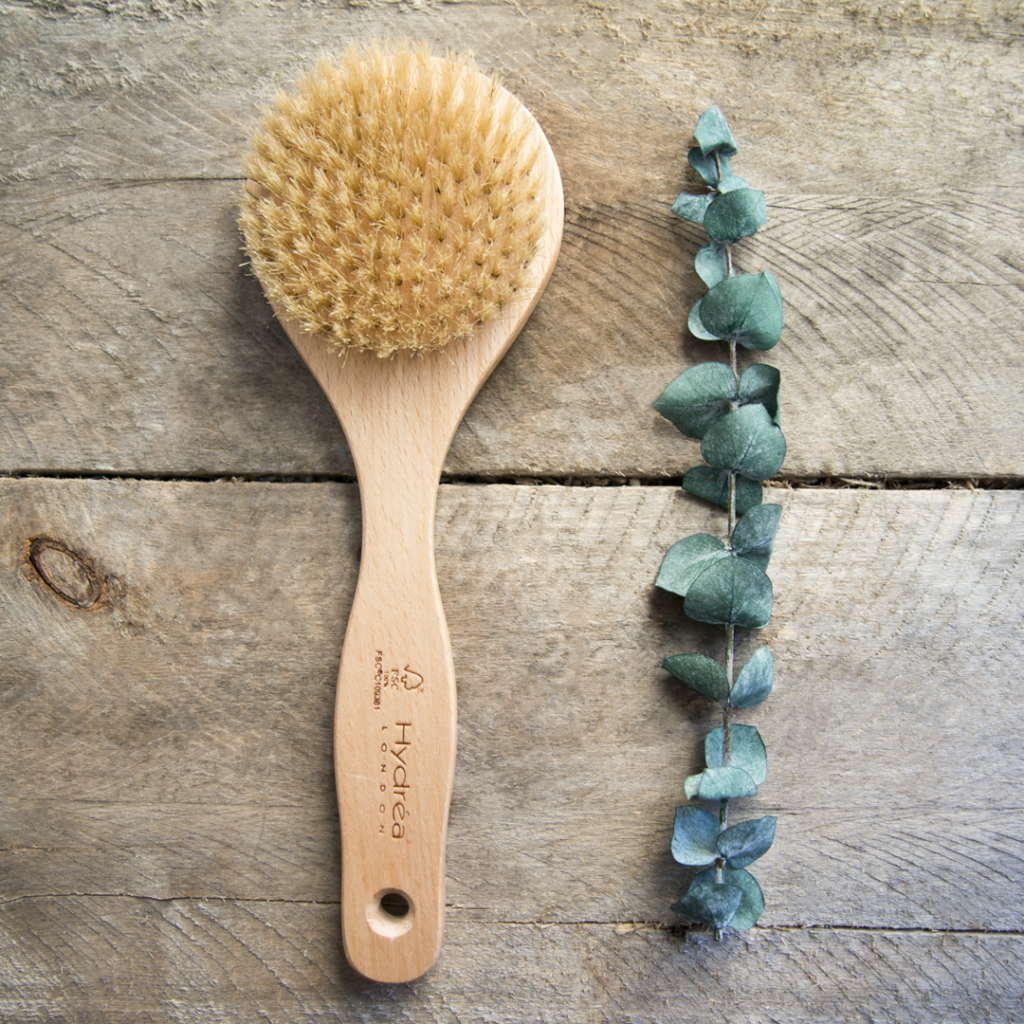
    In the pursuit of radiant and healthy skin, we often encounter various skincare trends and practices. One age-old ritual that has stood the test of time is dry brushing. This simple yet highly effective technique involves gently brushing your skin with a natural brush. While it may seem like a new wellness fad, dry brushing has a plethora of benefits that go beyond the surface. Let’s delve into the reasons why you should incorporate dry brushing into your self-care routine and discover the transformative power it can have on your skin and overall well-being.

    1. Exfoliates and Renews:

    Dry brushing is a natural exfoliation method that helps slough off dead skin cells, revealing a smoother and more radiant complexion. The bristles of the brush gently remove accumulated dirt, oil, and impurities from the surface of your skin, stimulating cell turnover. By regularly incorporating dry brushing into your routine, you can enjoy improved skin texture and a vibrant glow.

    2. Enhances Blood Circulation:

    The gentle pressure exerted during brushing stimulates blood circulation in your body. This increased blood flow carries oxygen and nutrients to the skin cells, promoting a healthy complexion and supporting the skin’s natural rejuvenation process. Additionally, improved blood circulation can aid in the elimination of toxins, giving your skin a refreshed and revitalized appearance.

    3. Reduces the Appearance of Cellulite:

    If you’re looking to reduce the appearance of cellulite, dry brushing may be a valuable addition to your routine. The act of brushing helps to break down fatty deposits and distribute them more evenly, which can result in a smoother skin texture over time. Although brushing alone may not completely eliminate cellulite, it can contribute to its reduction and overall skin firmness.

    4. Invigorates and Energizes:

    The act of dry brushing has a stimulating effect on your skin and body. The bristles gently massage your skin, providing a rejuvenating and invigorating experience. Many individuals find that brushing in the morning helps awaken their senses, increases energy levels, and promotes an overall sense of well-being.

    5. Promotes Relaxation and Self-Care:

    In addition to its physical benefits, dry brushing offers a moment of relaxation and self-care. Taking the time to dedicate a few minutes to dry brushing can become a mindful ritual, allowing you to connect with your body and prioritize your well-being. It serves as a gentle reminder to practice self-love and nurture yourself from the inside out.

    Dry brushing is more than just a skincare trend; it’s a time-tested practice with a multitude of benefits for your skin and overall wellbeing. By incorporating dry brushing into your self-care routine, you can exfoliate, stimulate circulation, and enjoy a renewed sense of vitality. Embrace this ancient beauty ritual and unlock the transformative power it holds. Allow dry brushing to become a cherished part of your daily routine, and let your skin radiate with natural beauty.

    You can pick up one of our All Natural Wet/Dry Body Brushes HERE

    Note: It’s important to choose a high-quality brush with natural bristles and to follow proper techniques and guidelines when brushing to avoid irritation or damage to the skin.