Author: Crystal

  • Is Goat Milk Soap Hard to Make?

    Goat milk soap has gained immense popularity in recent years, thanks to its numerous skincare benefits. It’s known for being gentle on the skin, moisturizing, and packed with essential nutrients. Many people are turning to handmade goat milk soap as a natural alternative to commercially produced soaps, which often contain harsh chemicals. But is making handmade goat milk soap a difficult task? In this blog post, we’ll explore the process of making this nourishing soap and whether it’s as challenging as it may seem.

    The Ingredients

    Before diving into the soap-making process, let’s take a look at the key ingredients involved:

    1. Goat Milk: The star ingredient, goat milk, provides natural fats, vitamins, and minerals that nourish and hydrate the skin.
    2. Lye (Sodium Hydroxide): Lye is a crucial component for saponification, the chemical reaction that turns fats and oils into soap. It’s essential to handle lye with care, as it’s a caustic substance.
    3. Oils and Fats: Various oils and fats, such as coconut oil, olive oil, and shea butter, are used to create a balanced soap formula. Each oil contributes different qualities to the soap, such as lather and moisturization.
    4. Fragrances and Additives: You can add essential oils, herbs, clays, or other natural ingredients for scent and additional skincare benefits.

    The Process

    Making goat milk soap involves several steps, but with careful planning and attention to detail, it can be a rewarding and enjoyable experience. Here’s a simplified overview of the process:

    1. Safety Precautions: Begin by wearing safety gear, including gloves and protective eyewear. Ensure that your workspace is well-ventilated.
    2. Measure Ingredients: Weigh the goat milk and carefully mix it with the lye in a well-ventilated area. This step requires caution, as the mixture can release fumes. The goat milk will need to be frozen, since the lye could heat the milk up to a temperature that could potentially scald the milk and give it an unpleasing color and oder. Be sure to use a lye calculator to find the appropriate amount of lye to use in your recipe. If too much is used it could mean leftover lye will be in the final product and the bar will not be safe to use.
    3. Melt Oils: Melt your chosen oils and fats together in a heat-safe container.
    4. Combine Ingredients: Combine the milk-lye mixture and melted oils and mix thoroughly until they reach a trace, which is a thick, pudding-like consistency.
    5. Add Additives: Incorporate essential oils or other additives for fragrance and other benefits.
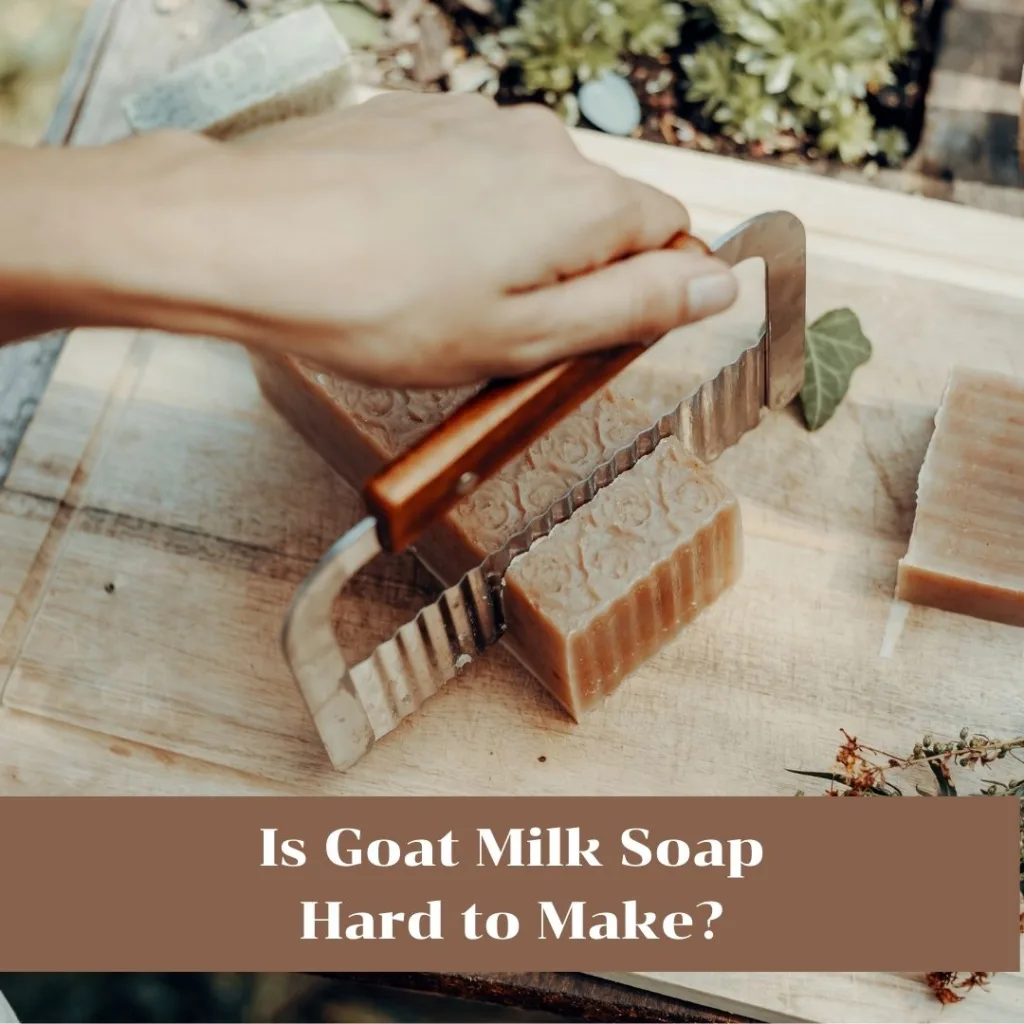
    6. Mold and Cure: Pour the soap mixture into molds. Most soaps will be ready to un-mold in 24 hours. If you made your soaps in loaf molds you can cut them into bars at the time of un-molding. Goat milk soaps and soaps with high olive oil contents will need to be cured for at least 6 weeks, if not longer. During this time excess moisture will leave the soap and the bar hardens. A bar that is cured longer will last longer during use.

    Is It Hard to Make Handmade Goat Milk Soap?

    The difficulty of making handmade goat milk soap largely depends on your experience level and comfort with handling lye. While the process involves multiple steps and careful measurements, it can be manageable for beginners with some practice and knowledge.

    Here are some factors to consider:

    1. Safety: Working with lye requires strict safety measures. Ensure you follow safety guidelines meticulously to protect yourself from accidents.
    2. Learning Curve: Like any craft, soap making takes time to perfect. Your first few batches may not turn out as expected, but learning from your mistakes is part of the process.
    3. Ingredients: Quality ingredients make a significant difference in the outcome. Investing in high-quality oils, fats, and goat milk will lead to a better final product.
    4. Creativity: The fun part of soap making is experimenting with scents, colors, and additives. Embrace your creative side to make unique soap blends.

    We have found the the book Scientific Soapmaking to be incredibly useful during our soap making journey. If you are serious about your soap making this book is a must.

    Making handmade goat milk soap can be a fulfilling and enjoyable hobby or even a small business venture. While it may seem daunting at first, with practice and adherence to safety precautions, it becomes a skill that you can master. The end result is a nourishing, all-natural soap that is gentle on your skin, making the effort well worth it. So, roll up your sleeves, gather your ingredients, and embark on your handmade soap-making journey today!

  • January Wrap Up!

    While it may seem like January should be a slow month for the business and farm that couldn’t be further from the truth. The holidays bring a constant stream…. or waterfall… of orders and no matter how much we prepare in the months before (starting in JUNE) we are always left with a greatly depleted stock of our goat milk soaps. Every January we are in a race to get our stock back up and because our soap takes six weeks to cure it can take us well into March to get to a comfortable level. However, with an exception of a few varieties, we have had enough to keep our costumers well stocked through the month of January… although, it’s always a nail biter watching and waiting for those cure dates to arrive. Luckily, this year has been an easier restock. We changed up how we do our production in order to be more efficient and it has allowed us to make a lot more soap than we were able to in the same time period last year.

    This month we discontinued our beeswax candles and essential oil rollers to make way for some products we are working on. The moment we made the announcement y’all flooded us with orders and we nearly sold out immediately. We have a few essential oil rollers and unscented candles hanging around but that’s it.

    January is also a busy time on the farm! We try to use this time to get projects done. As is the case for every farm… there are endless projects. We tackle them bit by bit as a family. I break things down into small bites and it seems less overwhelming. I find it is easier, and less frustrating, to get projects done when you don’t try to get it all done in one weekend.

    The (goat) girls are also getting quite large! They are all in the later stages of their pregnancies. We will have lots of baby goats bouncing around towards the end of February/beginning of March.

    Everyone seems to be loving our 365 project! We have been posting everyday, sharing little snips of our life, business, and farm. If you aren’t doing so already, follow us on all of our social medias to keep up with all of our posting – Facebook, Instagram, TikTok

    Finally, check out the video wrap up of our 365 project’s January postings. It turned out so lovely.

  • The Delicate Care: Are Our Goat Milk Soaps Safe for Babies?

    The quest for gentle and nurturing skincare products for babies has led many parents to explore natural alternatives. Among these, natural handmade goat milk soaps have gained popularity for their purported benefits and minimalistic ingredient lists. With the delicate and sensitive nature of a baby’s skin, it’s crucial to weigh the potential advantages and concerns before incorporating such products into your little one’s routine.

    The Goodness of Goat Milk

    Goat milk has been celebrated for centuries for its moisturizing and skin-loving properties. Rich in vitamins, minerals, and healthy fats, goat milk is believed to possess numerous benefits for the skin. It contains lactic acid, which acts as a natural exfoliant, helping to gently remove dead skin cells and promote a smoother complexion.

    For babies, who have delicate and developing skin, the potential benefits of goat milk are alluring. The natural fatty acids and proteins present in goat milk can provide nourishment and hydration to the skin, helping to maintain its natural moisture barrier.

    Minimal Ingredients, Maximum Assurance

    One of the main appeals of natural handmade goat milk soaps is their simple ingredient lists. Crafted by artisans who often prioritize using organic and wholesome components, these soaps typically avoid harsh chemicals, fragrances, and synthetic additives that can be irritating to sensitive skin.

    When considering such products for babies, this can be a significant advantage. Babies’ skin is more susceptible to irritation and allergies due to its thinness and permeability. Choosing a soap with minimal, recognizable ingredients reduces the likelihood of adverse reactions and ensures that your baby’s skin is exposed to gentle care.

    Our Castile Goat Milk Soap is the most gentle in our line and contains the fewest ingredients.

    Potential Considerations

    While natural handmade goat milk soaps offer several potential benefits, it’s essential to approach their use with caution, especially when it comes to babies:

    1. Allergies: Although goat milk is generally well-tolerated, some babies might have allergies or sensitivities to dairy products. Before introducing goat milk soap to your baby’s skincare routine, it’s a good idea to perform a patch test to ensure there are no adverse reactions.
    2. Fragrance: While many goat milk soaps are fragrance-free, some variants might contain essential oils for scent. Keep in mind that babies’ skin can be sensitive to even natural fragrances. Opt for unscented options if you’re concerned about potential irritation.
    3. Not Tear-Free: No true soap (mets the legal definition of soap) is tear free. Take extra care to ensure that the soap doesn’t get into the baby’s eyes.

    Consultation with a Pediatrician

    Before introducing any new skincare product into your baby’s routine, including natural handmade goat milk soap, it’s wise to consult with your pediatrician. They can offer personalized advice based on your baby’s specific needs, skin type, and any potential allergies or sensitivities they may have.

    In the realm of baby skincare, the emphasis is always on gentle and safe care. Natural handmade goat milk soaps can indeed offer a nourishing and wholesome option for your baby’s skin, thanks to their simple ingredient lists and potential skin-loving properties. However, as with any new product, it’s crucial to proceed with caution, perform patch tests, and seek guidance from your pediatrician. Ultimately, the choice to include goat milk soap in your baby’s routine should prioritize their well-being and comfort above all else.

  • Natural Colorant Options for Handcrafted Soaps

    Colorful and beautifully crafted soaps not only enhance your bathing experience but also make for thoughtful and attractive gifts. While synthetic dyes and pigments have been traditionally used to color soaps, many people are now turning to natural colorants for their soap-making projects. Natural colorants not only provide vibrant hues but also offer a chemical-free, eco-friendly alternative.

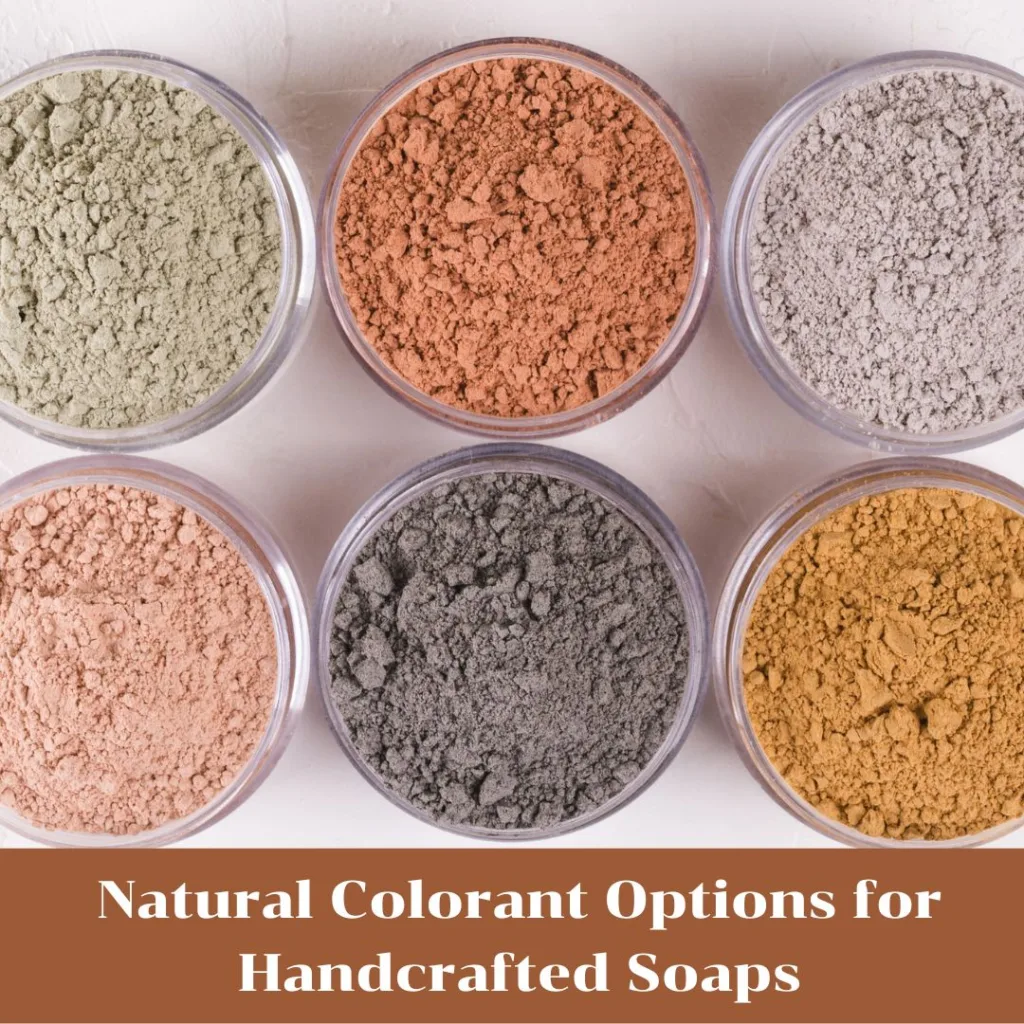
    1. Clays

    Clays are excellent natural colorants for soap-making. They come in various colors, each offering unique properties for your skin. Some popular choices include:

    • Kaolin Clay (White): Known for its gentle cleansing properties, it adds a soft and creamy white color to your soap.
    • French Green Clay: This green clay gives your soap a lovely earthy hue.
    • Rhassoul Clay: This reddish-brown clay adds a warm and rustic color to your soap.
    1. Herbs and Botanicals

    Dried herbs and botanicals not only provide color but also add texture and exfoliation to your soap. Here are some popular options:

    • Calendula: These bright yellow petals infuse a sunny and vibrant hue into your soap, along with skin-soothing properties.
    • Lavender Buds: Lavender buds add a lovely purple tint to your soap and provide a relaxing, floral scent.
    • Annatto Seeds: Annatto seeds offer a natural orange color, perfect for adding warmth to your soap creations.
    1. Spices and Powders

    Common kitchen ingredients can also be used to color your soap naturally:

    • Turmeric: This golden spice lends a beautiful yellow color to your soap. Be mindful of its strong staining potential. This lovely spice powder, along with it’s essential oil, can be found in our Turmeric Goat Milk Soap
    • Cocoa Powder: Unsweetened cocoa powder adds a rich, brown color and a delightful chocolate scent.
    • Spirulina Powder: Known for its vibrant green hue, spirulina powder offers a natural and healthy way to color your soap. This beautiful powder can be found in our Deep Sea Goat Milk Soap
    1. Fruit and Vegetable Purees

    Fresh fruit and vegetable purees not only provide color but also contribute to the soap’s fragrance and texture:

    • Pumpkin Puree: Adds a warm orange color and a subtle pumpkin aroma to your soap.
    • Beetroot Puree: Creates a vibrant pink or red color and offers skin-loving properties.
    • Carrot Puree: Imparts a soft orange hue and contributes to a creamy lather.
    1. Natural Oils

    Certain infused oils can also be used for coloring:

    • Alkanet Root-Infused Oil: Alkanet root-infused oil results in shades of purple or blue, depending on the pH level of your soap.
    • Chamomile-Infused Oil: Chamomile-infused oil provides a gentle, pale yellow color and a calming fragrance.

    Experimenting with natural colorants in your soap-making endeavors can be both fun and rewarding. Not only do these colorants add aesthetic appeal to your soaps, but they also often come with added skin benefits. Whether you’re looking to create vibrant, eye-catching designs or subtle, earthy tones, natural colorants offer a wide range of options to explore. So, gather your ingredients, embrace your creativity, and start crafting beautiful, natural-colored soaps today. Your skin—and the environment—will thank you!

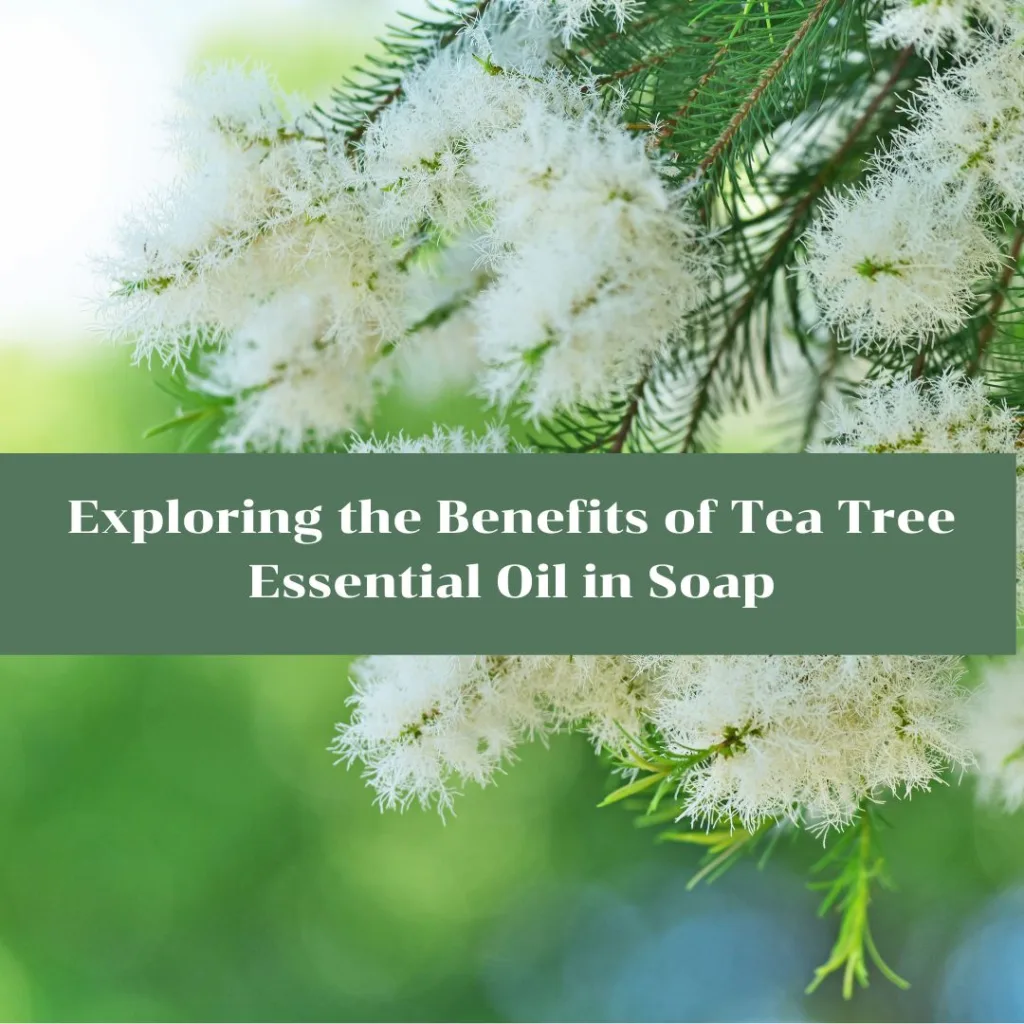
  • Exploring the Benefits of Tea Tree Essential Oil in Soap

    Nature often provides us with incredible ingredients that enhance our well-being. Tea tree essential oil, derived from the leaves of the Melaleuca alternifolia tree, is a prime example. When infused into soap, tea tree essential oil offers a range of benefits for the skin, making it a valuable addition to your daily skincare routine. Let’s delve into the advantages of using tea tree essential oil in soap and why it’s a go-to ingredient for promoting healthy, radiant skin.

    The Potent Power of Tea Tree Essential Oil

    Tea tree essential oil has a long history of use in traditional medicine due to the belief that it offers antibacterial, antifungal, and anti-inflammatory properties. Its natural composition makes it a versatile ingredient that can address various skincare concerns. Here’s a closer look at why tea tree essential oil in soap is a beneficial choice for your skin:

    1. Natural Antiseptic and Antibacterial Properties

    Tea tree essential oil is believed to have antiseptic and antibacterial qualities. When infused into soap, it can help cleanse the skin by effectively combating harmful bacteria that may contribute to acne, breakouts, and skin infections.

    2. Acne-Fighting Benefits

    Tea tree essential oil is a popular choice for individuals dealing with acne-prone skin. It’s said to have the ability to unclog pores, regulate sebum production, and target acne-causing bacteria can contribute to a clearer and smoother complexion.

    3. Soothing Inflammation

    Inflammation is a common factor in many skin issues. Tea tree essential oil’s anti-inflammatory properties can help reduce redness, irritation, and swelling, making it a valuable ally for sensitive or compromised skin.

    4. Skin Balancing

    Tea tree essential oil’s gentle astringency helps balance the skin’s natural oil production, making it suitable for both oily and combination skin types.

    Tea tree essential oil’s remarkable properties have earned it a place of distinction in the realm of skincare. From its antibacterial and acne-fighting benefits to its soothing and antifungal effects, tea tree oil-infused soap offers a holistic approach to promoting healthy and radiant skin. Whether you’re targeting specific skin concerns or seeking to maintain overall skin health, tea tree essential oil in soap is a nurturing choice that supports the beauty of your skin’s natural vitality.

    Pick up a bar of our Tea Tree Goat Milk Soap or our Deep Space Goat Milk Soap which also contains Tea Tree Essential Oil and is designed to be a facial cleanser.

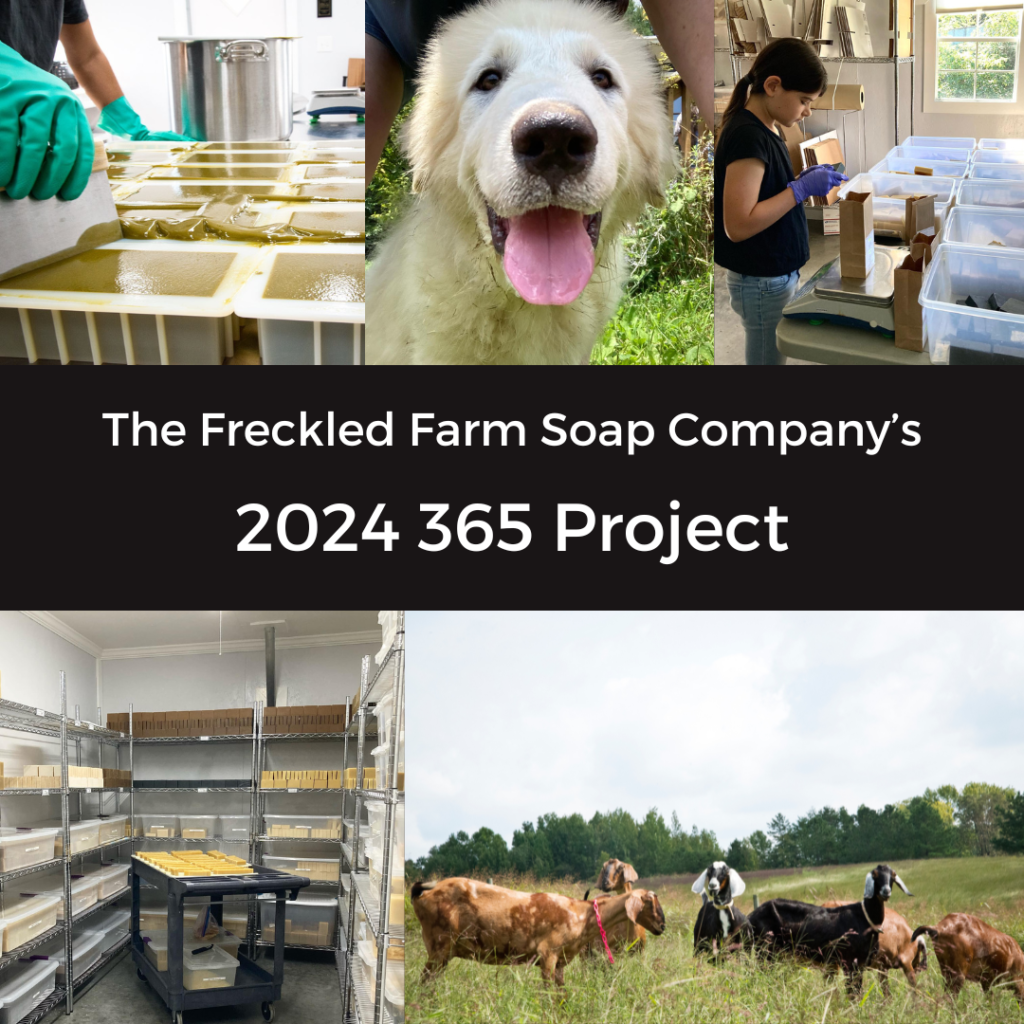
  • 2024 365 Project

    What an incredible journey 2023 has been for us! We’re thrilled to share that we’ve sent nearly 25,000 bars of our Goat Milk Soap out into the world this year, alongside thousands of lotions and laundry soap bags. We sold so much soap that we are having to reconfigure our soap making process and schedule in order to meet the demand efficiently. We’re a tiny family-run business, and while our children lend a hand here and there, it’s mainly Kevin and me running every facet of the business—from crafting the soap, lotions, and laundry soaps, to packaging, shipping, managing our social media presence and returning customer’s emails and calls.

    In 2020 we stopped attending farmers markets, for obvious reasons, and moved totally online. We were extremely fortunate to be able to make that move so seamlessly, but some of the parts of what has always made our company so great, like the fact that we are run by a small family, were lost in the transition. When everything is online it is hard to convey to customers how much work goes into the products they order, or for them to get a sense of the family they are supporting with their purchase. I think some of the anonymity that comes with your business being online causes some customers to treat you like you aren’t human, like trying to take advantage of a business doesn’t actually hurt anyone. I am in no way implying that this happens a lot, but it does happen, and it has happened more this year than any other year in the past. I think the way Amazon and other massive companies do business has really set many small businesses up for failure and has created unrealistic expectations. It has also made even small businesses seem faceless at times…. And I have to admit that our social media has been lacking this year. My heart has not been in it… at all. After ten and a half years in business I feel like I am in social media groundhog day, so I know that is contributing to some newer customers not seeing the family behind the business. So, in order to help show new costumers the family behind the bar of soap and to get me out of the social media rut, I am going to start a new 365 project (technically 366.. leap year!). We have done these projects in the past but they have only been farm based. In fact, we started one in 2020 that we dropped three months in, when covid started and our world was turned upside down. We needed to just focus on making things work and keep our business moving forward, rather than getting cute goat pictures.

    This 365 project is going to be different though. It will be all encompassing. You will see our whole world, not just the farm. I will do my best to shake of the expectation that each picture in our feed needs to be perfect and flawless and just show you the real us. This project will span across all our social media platforms—TikTok, Instagram, Facebook, and maybe even YouTube. We aim to offer diverse content that unveils who you’re supporting with each dollar spent and demonstrate the dedication and hard work that goes into every product we create. It’s about sharing our story, our trials, and triumphs—bringing you closer to the heart of our family business.

  • How to Take Care of Your Skin During the Fall Season

    As the leaves change and the air turns crisp, the arrival of fall brings a unique set of challenges and opportunities for skincare. While the cooler weather can be refreshing, it can also wreak havoc on your skin if not properly cared for. In this blog post, we’ll explore some essential tips and tricks to help you maintain healthy, glowing skin throughout the fall season.

    1. Hydration is Key

    During the fall, humidity levels tend to drop, and indoor heating systems can further dehydrate your skin. To combat this, make sure to:

    • Drink Plenty of Water: Staying hydrated from the inside out is crucial.
    • Use a Humidifier: Adding moisture to the air with a humidifier can help prevent your skin from drying out while you sleep.

    2. Adjust Your Skincare Routine

    Transitioning from the warmer months to fall means adjusting your skincare routine to cater to the changing needs of your skin:

    • Switch to a Heavier Moisturizer: Opt for a richer, hydrating moisturizer to lock in moisture and protect your skin from the elements. Our Goat Milk Lotion is the perfect lotion to fill this need.
    • Exfoliate Gently: Dead skin cells can accumulate more rapidly in colder weather. Exfoliate once or twice a week to maintain a radiant complexion. Our body brush is a great tool for this.
    • Don’t Forget Sunscreen: UV rays are still present in the fall. Apply sunscreen to exposed areas, especially if you spend time outdoors.

    3. Mindful Cleansing

    Cleansing is essential, but overdoing it can strip your skin of its natural oils. Consider these tips:

    • Gentle Cleansers: Choose a mild, hydrating cleanser that won’t strip your skin’s natural oils. While all of our Goat Milk Soaps will fill this need, our Castile Goat Milk Soap is the most gentle in our line.
    • Limit Hot Showers: Hot water can be harsh on the skin. Opt for lukewarm water when washing your face and body. You can read more about the effects of hot showers on your skin here.

    4. Protect Your Lips

    Your lips are particularly vulnerable to dryness and chapping during the fall:

    • Lip Balm: Keep a nourishing lip balm handy and apply it regularly to prevent chapped lips.
    • Avoid Licking Your Lips: Licking your lips can actually make them drier. Use lip balm instead.

    5. Fall-Focused Diet

    Your diet plays a significant role in the health of your skin. Incorporate these skin-loving foods into your fall meals:

    • Pumpkin: Rich in vitamins A and C, pumpkin can help maintain your skin’s natural glow.
    • Sweet Potatoes: These are packed with beta-carotene, which can protect your skin from free radicals.
    • Omega-3 Fatty Acids: Found in fatty fish like salmon, omega-3s can help maintain your skin’s moisture and elasticity.

    6. Stay Active and Get Fresh Air

    Exercise and fresh air can improve blood circulation, which is essential for healthy skin. Consider outdoor activities like hiking or brisk walks in the crisp fall air.

    7. Don’t Neglect Your Feet and Hands

    Your hands and feet can also become dry and cracked during the fall:

    • Moisturize Regularly: Apply a rich hand and foot cream to keep these areas soft and supple.
    • Wear Gloves: Protect your hands from cold winds by wearing gloves when you’re outside.

    The fall season is a beautiful time of year, and with the right skincare routine, you can ensure that your skin looks and feels its best. Embrace the season’s beauty while taking care of your skin, and you’ll glow with confidence all year long.

  • Why Use Bar Dish Soap?

    In a world that’s becoming increasingly conscious of sustainability and environmental impact, it’s no surprise that many everyday products are undergoing a transformation to reduce waste and promote eco-friendliness. One such innovation is dish soap bars, like our Goat Milk Dish Soap Bars, a solid alternative to traditional liquid dish soap. Lets explore the numerous benefits of making the switch to a dish soap bar for your dishwashing needs.

    1. Reduced Plastic Waste

    Perhaps the most obvious benefit of using a dish soap bar is its minimal packaging. Unlike liquid dish soap, which typically comes in plastic bottles that contribute to the ever-growing plastic waste problem, dish soap bars are often sold in minimal or even plastic-free packaging. Our dish soaps come wrapped in a craft paper cigar band style packaging, with a sticker that is made of hemp. By choosing a bar like ours, you’re actively reducing your plastic footprint and helping to combat plastic pollution.

    1. Longevity

    Dish soap bars tend to last much longer than their liquid counterparts. A single bar can provide countless washes, which means you’ll need to replace it less frequently. This not only saves you money but also reduces the overall demand for dish soap production and packaging.

    1. Concentration and Efficiency

    Dish soap bars are highly concentrated, which means you need less product to get the job done. A little goes a long way, making them a cost-effective choice for your kitchen. Plus, their concentrated nature makes them efficient at cutting through grease and grime on your dishes, resulting in cleaner and shinier plates and cookware.

    1. Natural Ingredients

    Many dish soap bars are crafted with natural ingredients that are gentle on your hands and the environment. These ingredients often include plant-based oils, essential oils, and natural additives that are free from harsh chemicals and toxins. Using a natural dish soap bar can be particularly beneficial if you have sensitive skin.

    1. Versatility

    Dish soap bars aren’t just for washing dishes. They can also be used for a variety of cleaning tasks around the house. From cleaning countertops and stovetops to removing stains from clothing, their versatility makes them a valuable addition to your cleaning arsenal.

    1. Compact and Travel-Friendly

    If you love to travel or go camping, dish soap bars are a fantastic option. Their compact size and solid form make them easy to pack and transport without worrying about leaks or spills. You can even cut a small piece of the bar to take with you on your adventures.

    1. Supporting Sustainable Practices

    By purchasing dish soap bars, you’re supporting companies and artisans, like us, who prioritize sustainable practices. Many soap bar producers use ethically sourced ingredients and are committed to reducing their carbon footprint, which aligns with the growing demand for eco-conscious products.

    **Pick up one of our Dish Soap Starter packs to get everything you need for the switch over from liquid dish soaps.**

    The benefits of using a dish soap bar go beyond just convenience; they extend to environmental and personal well-being. By making the switch to this eco-friendly alternative, you can reduce plastic waste, save money, and enjoy the efficiency and versatility of a product that’s gentle on your hands and the planet. So, why not give a dish soap bar a try and contribute to a cleaner, greener future, one dish at a time?

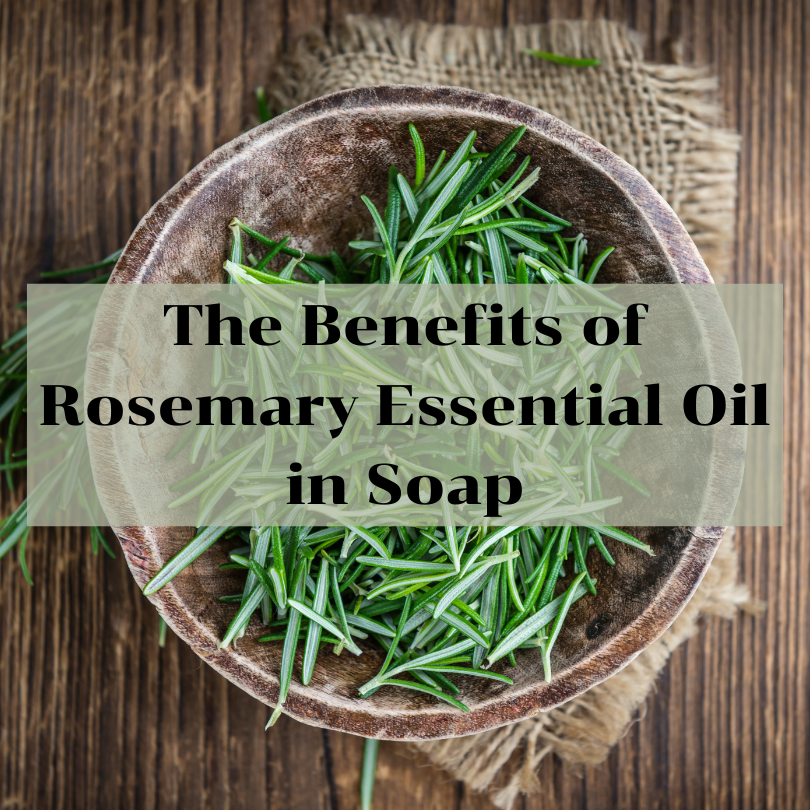
  • The Benefits of Rosemary Essential Oil in Soap

    Rosemary essential oil is a fragrant gem with a multitude of benefits. Derived from the aromatic leaves of the rosemary plant, this essential oil has been cherished for centuries for its versatile properties. When infused into soap, rosemary essential oil offers a sensory delight while delivering an array of advantages for your skin.

    The Aromatic Wonder of Rosemary

    Rosemary, with its woody and herbaceous scent, has been celebrated for its culinary and therapeutic uses throughout history. Its essential oil, extracted through steam distillation, captures the essence of this fragrant herb and brings it to life in skincare products. Let’s explore the specific benefits that rosemary essential oil brings when infused into soap:

    1. Clarifying and Balancing

    Rosemary essential oil’s astringent qualities can help clarify the skin by reducing excess oil and impurities. It’s particularly beneficial for those with oily or acne-prone skin as it aids in regulating sebum production and minimizing the appearance of pores.

    2. Soothing Irritation

    Rosemary essential oil’s anti-inflammatory properties make it a soothing choice for irritated or sensitive skin. It can help alleviate redness and inflammation.

    3. Scalp and Hair Care

    Beyond skincare, rosemary essential oil is also revered for its benefits to the scalp and hair. When used in soap, it can contribute to a healthy scalp and promote stronger, shinier hair.

    Incorporating Rosemary Essential Oil in Soap

    Including rosemary essential oil in your skincare routine can offer a range of benefits:

    1. Invigorating Shower: Use rosemary-infused soap during your shower to enjoy the refreshing and revitalizing aroma of this herb.
    2. Targeted Application: Apply rosemary-infused soap to areas of concern, such as oily T-zones or blemish-prone skin.
    3. Body Cleanse: Incorporate rosemary-infused soap into your body cleansing routine for overall skin clarity and balance.
    4. Scalp and Hair Care: Use rosemary-infused soap as a body and hair cleanser to reap its benefits for a healthy scalp and lustrous hair.

    At The Freckled Farm Soap Company we have three soaps that contain rosemary essential oil; Rosemary Mint, Sunrise Citrus, and Deep Sea Goat Milk Soaps.

    Rosemary essential oil’s exquisite aroma and remarkable benefits make it a prized addition to skincare products. Embrace the elegance of rosemary and let its natural wonders enhance your skincare ritual. Whether you seek to address specific skin concerns or simply indulge in the aromatic allure of this herb, rosemary essential oil in soap is a botanical treasure that embodies both beauty and wellness.

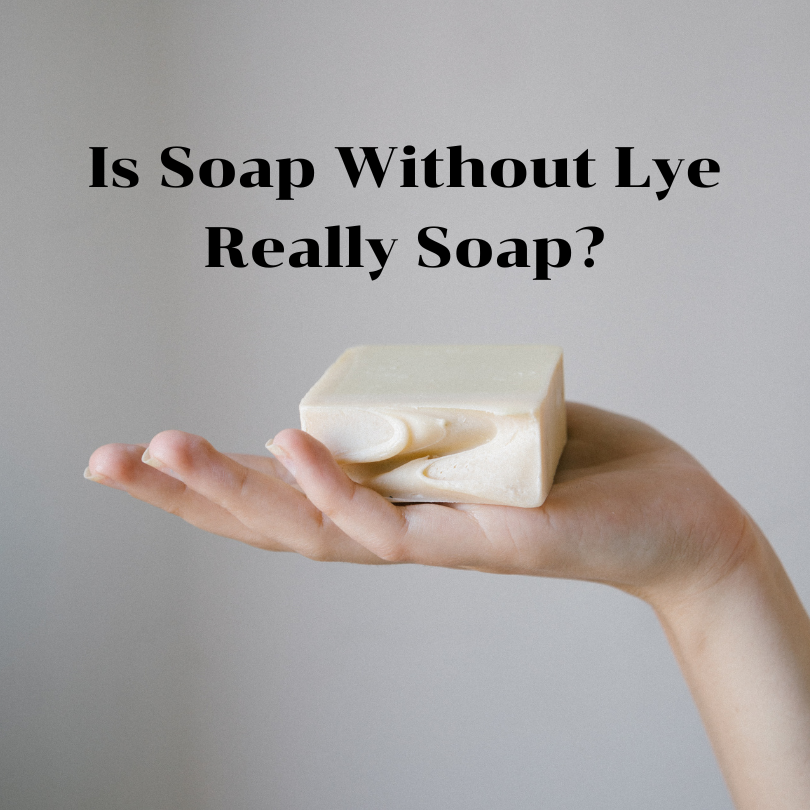
  • Is Soap Without Lye Really Soap?

    When it comes to skincare, the word “soap” is often used to describe cleansing products. However, not all products labeled as “soap” are created equal. One common debate revolves around the use of lye in soap-making. Lye, also known as sodium hydroxide or potassium hydroxide, is a key ingredient in traditional soap production. In this blog post, we will explore the question: Is soap without lye really soap?

    Understanding Soap-Making:

    To understand the role of lye in soap-making, it’s essential to grasp the basic chemistry behind the process. Soap is formed through a chemical reaction known as saponification, which involves combining fats or oils with an alkali (such as lye). This process breaks down the fats or oils and transforms them into soap molecules and glycerin.

    The Role of Lye:

    Lye plays a critical role in saponification. It is an alkali that reacts with the fats or oils, initiating the chemical reaction that transforms them into soap. Lye is used in precise quantities to ensure the complete saponification process and create a balanced, cleansing product.

    Understanding No-Lye Soaps:

    When you come across products labeled as “soap without lye” or “lye-free soap,” it’s important to note that this terminology can be misleading. The truth is that all true soap requires some form of lye to undergo saponification. However, what these products may refer to is the absence of lye in its original form within the final product, which is true for all soaps. If you have lye present in your final product your recipe is wrong and you need to go back to the drawing board. If soapers are calling their soap lye-free because they have managed to make a soap like product without an alkali then the product they have made is not in fact “soap”. To be legally defined as soap you have to have used alkali (lye). This is why you see a lot of name brand products calling themselves things like “cleansing bar” or “moisturizing bar”. They use other chemicals to solidify their product and cannot legally call themselves soap.

    Legal Definitions:

    From a legal standpoint, the term “soap” is defined by regulatory bodies such as the United States Food and Drug Administration (FDA). According to the FDA, soap is the alkali salt of fatty acids obtained from the saponification process. As long as the final product meets the legal definition of soap, it can be labeled and marketed as such.

    While some soap-makers market their products as “soap without lye,” it’s important to understand that all true soap requires the presence of lye in some form during the saponification process. Lye is not an ingredient that customers should be scared of. There is no reason to avoid products where lye was used, in fact it is used in many other products aside from soap. As consumers, it’s crucial to be aware of the terminology used and understand the science behind soap-making to make informed choices about the products we use for our skincare needs.