Author: Crystal

  • The Spotted Pocket and Aw Shucks Store

    Recently two new stores started carrying our goat milk soaps! It is always so exciting to add new stores to our list and give our customers more opportunities to purchase our soaps:

    logoThe Spotted Pocket is a new online store that sells all natural baby items like cloth diapers, baby carriers, and more. They also offer all natural products for moms! That’s where our goat milk soap comes in! The Spotted Pocket now carries a large variety of our soap.


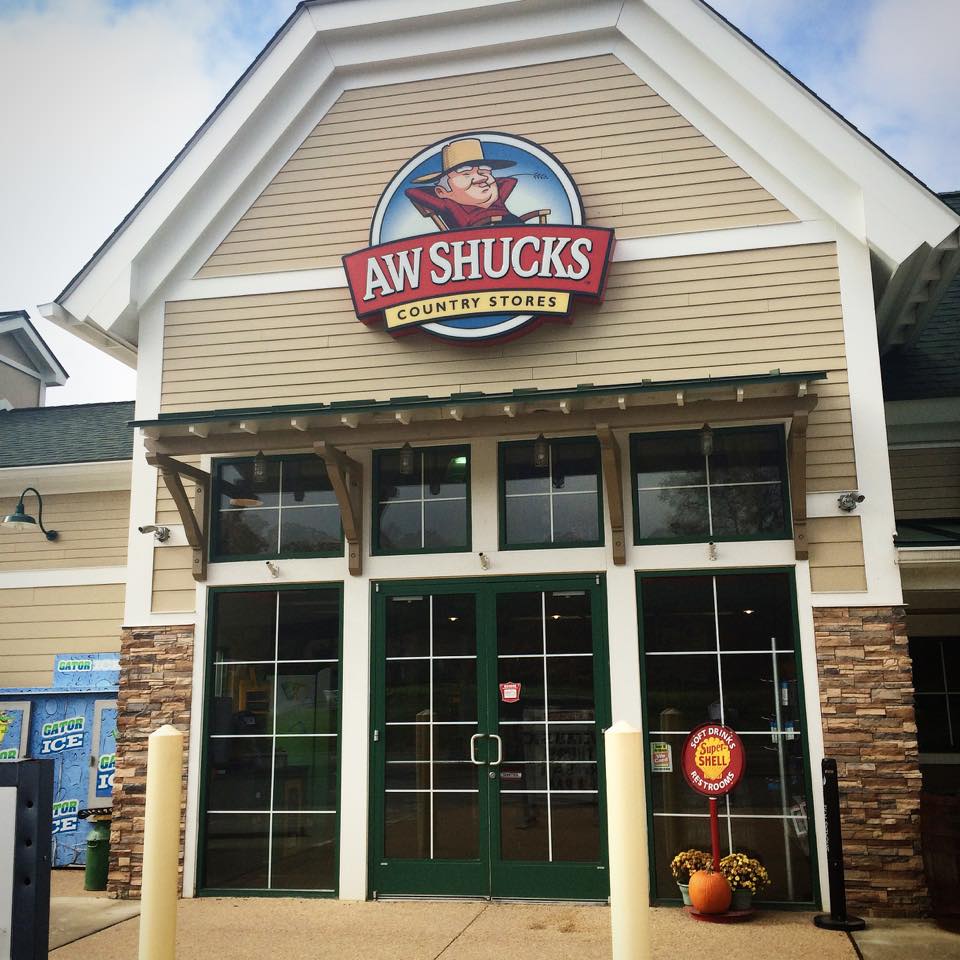
    Aw Shucks - Goat Milk Soap - The Freckled Farm Soap CompanyAw Shucks Store is a country store in Glen Allen, Virginia. This is is not your average, everyday convenience store! They have an amazing selection of local products and we are so happy to announce that our goat milk soaps are now among those local products.


  • Fun Farm Facts Friday – November 6th

    It takes a fertilized egg being held at 88 degrees (incubation with a broody hen or a incubator) for an extended period of time for an embro to start forming, and 21 days at this temperature for a chick to hatch. Since farmers collect eggs daily it is highly unlikely that you will ever notice a difference between fertilized and non-fertilized eggs as a consumer.

  • What to ask when purchasing a goat

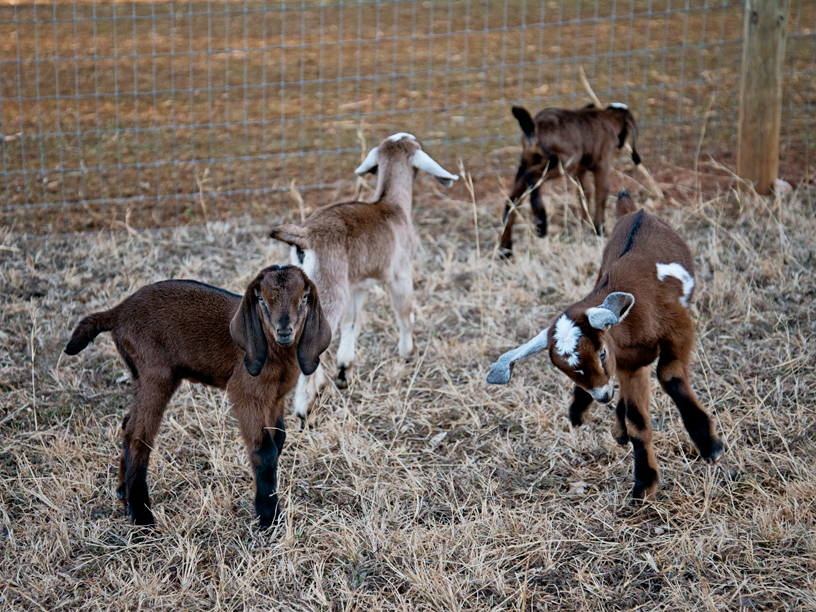
    If you haven’t already, now is the time of year to reserve your 2016 kids. Early reservation places you higher on the list and gives you the first pick once kids become available. We still have reservations available. Please feel free to email us if you are interested.

    The Freckled Farm Soap Company - Goat

    In the meantime, as you are planning for your new additions to your herd, I have compiled a list of questions to ask your breeder when purchasing a goat.

    1. At what age do they allow goat kids to leave their farm and go to their new homes? Generally this is will be between 8-12 weeks. I personally would not trust a breeder that would allow a goat to be sold earlier than 8 weeks. Knowing the timeline will help you plan, so you will be able to have everything together for your new goat before he/she arrives.
    2. What vaccinations will he/she have received at the time of pick-up? Some farms do not vaccinate kids, while others do. It is good to know what you may need to do, vaccination wise, once you get your new goat back to your farm.
    3. When was the last time the goat was dewormed and what were they dewormed with? It is suggested that you deworm a goat within the first week of having them on your farm (we have always done it between 5-7 days) because they are being exposed to a bunch of new parasites at once, even if you have never had goats on the property. I have heard several stories from other breeder friends of ours where people have taken a goat kid home, never dewormed them, and they died within a few weeks. If your breeder dewormed the goat soon before pick up you are going to want to wait until a safe period has passed before you deworm them again.
    4. Will the goat kid be disbudded? We only have disbudded goats on our farm. I wrote a blog post about it here.
    5. Have the goats been tested for things like CAE and have any of the goats tested positive. Our farm vet does a round a blood tests on all of our goats every year. This way people can purchase goats from us with confidence. Be wary of a farm where the goats have not been tested. Do not blindly trust people simply because they have been keeping goats for a long time. I have heard too many stories of people who ended up with diseased goats because the farmer had been keeping goats for decades and they assumed that they would be aware if there was an issue within their herd.
    6. Ask about the milk production of their does. How much milk have they given in the past? How does the milk taste (ask to taste if possible)?
    7. Are the goats registered? If you plan to show or breed you will want to purchase registered animals.
    8. Have there been any health issues within the herd or has a goat died of an unknown disease within the last few years? People can easily lie, so finding a farmer you trust is key. If they have had a heath problem it’s imperative to know in case it is something that can come back and effect the rest of your herd.
    9. What is their feeding regiment? If they use a different feed than you, you will need to purchase some of the feed that they are used to so you can slowly wean them off of it and onto the their new feed.
    10. Has there been a history of abortions in their herd? 
    11. Are the kids bottle raised? We have bottle raised babies on our farm. In fact, I am not aware of a dairy goat farm in this area that doesn’t bottle feed.
    12. If you are purchasing an older goat… Why is the goat for sale? You may be inheriting someone else’s problem. They could be selling the goat because they don’t throw ideal kids or produce enough milk, or maybe because they have had health issues. On the other hand they could be selling in order to reduce their herd to a more manageable size. Make sure you ask!

    Inspect the goats before you take them home. Check that their eyes are clear and the eyelids are within the acceptable red/pink range. Check to make sure their hooves are in good shape and there isn’t any hoof rot present. Make sure their coat looks healthy and shiny.

    Some more Dos and Don’ts

    • Do visit the farm where your goats are coming from.
    • Do shop around
    • Don’t buy just one goat. You need at least two.
    • Don’t purchase your breeding stock from auctions
    • Do quarantine your new goats from the rest of your herd.
  • Fun Farm Facts Friday – October 30th

    Have you ever heard people talking about farm animals and been confused about the terminology they were using? With this week’s farm fact I’m here to help! Below you will find several terms used when describing the farm animals that we have. These are terms that you might see pop up from time to time on our blog.

    Goats:

    • Kid – Baby goat
    • Doe – Female goat
    • Doeling – A young female goat, generally under a year
    • Buck – Male goat
    • Buckling – Baby male goat, generally under a year
    • Wether – Castrated male
    • Billy – Older intact male
    • Dam – Mother goat
    • Sire – Father goat

    Chickens:

    • Chick – Baby chicken
    • Pullet – Female chicken until they are old enough to lay eggs
    • Hen – Female chicken of laying age
    • Rooster – Male chicken (also called cock or cockerel)

    Llamas:

    • Cria – Baby llama
    • Maiden – Female llama who has not been bred yet
    • Yearling – One year old llama
    • Dam – Mother goat
    • Sire – Father goat
  • Sample our soaps!

    People are often shocked to see that we give away FREE samples at our farmer’s market and craft show tables. They are little samples, good for a few hand washings, but are enough to give you an idea of the quality of our soap. We do this for one very important reason… Because we believe that once you use our soap that you will be in love! We have a very high percentage of people returning to purchase soaps after trying one of our samples. So for us the samples are a great way to build our customer base!

    If you are interested in trying our soaps stop by one of our booths and pick up a sample… We are confident that you will love it! Check out the “Where to Buy” page on our website to see where we will be next!

  • Fun Farm Facts Friday – October 23rd

    Many people think that it is necessary to have a rooster with your hens in order to get eggs, but this isn’t true. Hens will lay with or without a rooster. Chickens lay eggs the same way humans ovulate, however instead of releasing one egg a month like humans do they release an egg daily to every few days.

  • Using Essential Oils Safely

    Essential oils have gained popularity with the general population in recent years. People are using them for aromatherapy or to make their own lotions and creams. Essential oils are wonderful, and can have amazing benefits when use properly. However, when used incorrectly they can be potentially dangerous. Below I have outlined some guidelines to help you use essential oils safely.

    1. First and foremost, if you are pregnant or nursing speak with your doctor before using essential oils. There are several oils that could potentially pose risks to pregnant or nursing women.
    2. Do not ingest essential oils. I have seen sources suggest that it can be done, but this is not something that I am at all comfortable with recommending. If you choose to ingest essential oils do it only under the supervision of a doctor!
    3. Children may be more likely to have adverse reactions to essential oils. Their skin is more sensitive. The small amounts within a bar of soap should not pose a problem, although it might be a good idea to use unscented soaps on infants and toddlers. If you are using essential oils make sure you test it on a small area of skin before regular use.
    4. Never apply undiluted essential oils directly to your skin. The essential oil should be diluted with a carrier oil. Undiluted essential oils can cause burns or other skin irritation. Test your diluted essential oil on a small area of skin before you apply it to larger areas.
    5. Some people may have more sensitivity to a particular essential oil than others. Always test essential oils (whether it be topically or with aromatherapy) before putting them into regular use.
    6. Some essential oils are phototoxic and will cause irritations or burns if exposed to UV ray. Citrus oils fall into this category. Here is a list of phototoxic essential oils.
    7. Never allow children to handle essential oils on their own and make sure the oils are kept out of their reach.

    Essential oils can be a lot of fun to use and may provide you some benefits if used properly. Always use caution and follow any directions on your essential oil labels.

    Here are some additional resources for essential oil safety

  • Fun Farm Facts Friday – October 16th

    A few months ago I posted a fact about the 5 month gestation of goats. Well, this gestation is incredibly short compared to llamas. The length of a llama’s pregnancy is 11.5 months and ends with a single baby!! I can’t even imagine a pregnancy this long!

  • How gardening changes your eating habits

    It’s amazing how something like gardening can change your entire perspective on food. It causes you to look at the produce in the store differently, you cook differently, your whole mentality changes.

    Before I started gardening, and before we had the farm, I never thought about what was in season when I would shop. I would buy the produce that was the biggest and least blemished without thinking about it. I ate pretty much the same way all year round. All this changed when I started gardening.

    I think the thing that hit me first, the first perspective change, was the fact that everything you find in the store is perfect. It’s rare that you find blemishes on the produce, but this is not real. This brings about the subject of waste… which is a whole other story, but I did find this great article that goes into it (here). The percentage of veggies that come out of our organic garden without any blemishes (however big or small), that are the perfect size and color is not incredibly high. They may not be shaped perfectly, they might have holes from bugs, or cracks from shifts in watering. In the last few years I have grown to love the blemishes. They make it feel real to me.

    Next perspective shift was eating foods out of season. There is nothing like a tomato fresh out of the garden… nothing. No grocery store tomato can match it, especially those out of season. Many grocery store tomatoes, even in season, were picked when the weren’t yet ripe and then blasted with ethylene gas to turn their green skin red. This is done so they have time to travel, and sit in the store for a little while without rotting. The skin may be red, but they still taste like an unripe tomato. Once you start to understand the gardening seasons you start to question where these produce items at the grocery store have to come from. I don’t like my food traveling from great distances. It seems wasteful.

    I went into gardening thinking my eating habits would mostly stay the same.  I would still eat whatever I wanted all year round and the meals I would make would not change. This is how I have always done it… why change now? I would grow as much as I could within gardening season, preserve what I could, and purchase what I needed the rest of the year from the grocery store, but this didn’t end up happening. Like I stated before, I didn’t like the idea that the produce was having to travel a large distance, and the stuff at the store didn’t taste nearly as good. I began to eat veggie heavy meals through the summer and fall and the things that made it to our table during the winter were things like root vegetables and starchy foods. As a family we started to eat seasonally.

    Gardening has made me branch out and try vegetables that I would have never considered before because they are easy to grow, grow in abundance, are easy to preserve, and can give us the nutrients we need. It allows us to have variety in our diet and keeps us from getting bored. It’s a lot of fun growing a new vegetable then trying to figure out how to use them!

    Finally, it changed the way we constructed dinner. For so many years we started meal planning by figuring out what protein we wanted, then filling in a starch, and lastly a vegetable. When you only spend $3 on a pack of seeds, and you have the kind of space we have, you start to think about what you have available to in your own backyard as the start of your meal. You don’t look for recipes that you like, you look for recipes that fit the items you have growing.

    I love gardening. I love putting my hands in the dirt. I love having this kind of control over the foods that my family eats. I love walking into my backyard to gather healthy tasty foods. It’s freeing. It has changed me. The food world looks quite different now.
  • Fun Farm Facts Friday October 9th

    Have you ever been on a goat farm during breeding season? If so, then you are familiar with the smell of a buck in rut… It’s a unique and distinct smell.

    During breeding season the male goats (bucks) go into rut. During this period the buck’s hormones are surging. They tend to act more aggressively and will eat very little if at all. In order to “attract” the does to them they will urinate all over themselves giving them a pungent odor. The girls love it, but let me tell you, it’s quite gross and it can be smelled from quite a distance. Being that it is breeding season here on the farm we are dealing with it right now!