Category: Informative

  • January Wrap Up!

    While it may seem like January should be a slow month for the business and farm that couldn’t be further from the truth. The holidays bring a constant stream…. or waterfall… of orders and no matter how much we prepare in the months before (starting in JUNE) we are always left with a greatly depleted stock of our goat milk soaps. Every January we are in a race to get our stock back up and because our soap takes six weeks to cure it can take us well into March to get to a comfortable level. However, with an exception of a few varieties, we have had enough to keep our costumers well stocked through the month of January… although, it’s always a nail biter watching and waiting for those cure dates to arrive. Luckily, this year has been an easier restock. We changed up how we do our production in order to be more efficient and it has allowed us to make a lot more soap than we were able to in the same time period last year.

    This month we discontinued our beeswax candles and essential oil rollers to make way for some products we are working on. The moment we made the announcement y’all flooded us with orders and we nearly sold out immediately. We have a few essential oil rollers and unscented candles hanging around but that’s it.

    January is also a busy time on the farm! We try to use this time to get projects done. As is the case for every farm… there are endless projects. We tackle them bit by bit as a family. I break things down into small bites and it seems less overwhelming. I find it is easier, and less frustrating, to get projects done when you don’t try to get it all done in one weekend.

    The (goat) girls are also getting quite large! They are all in the later stages of their pregnancies. We will have lots of baby goats bouncing around towards the end of February/beginning of March.

    Everyone seems to be loving our 365 project! We have been posting everyday, sharing little snips of our life, business, and farm. If you aren’t doing so already, follow us on all of our social medias to keep up with all of our posting – Facebook, Instagram, TikTok

    Finally, check out the video wrap up of our 365 project’s January postings. It turned out so lovely.
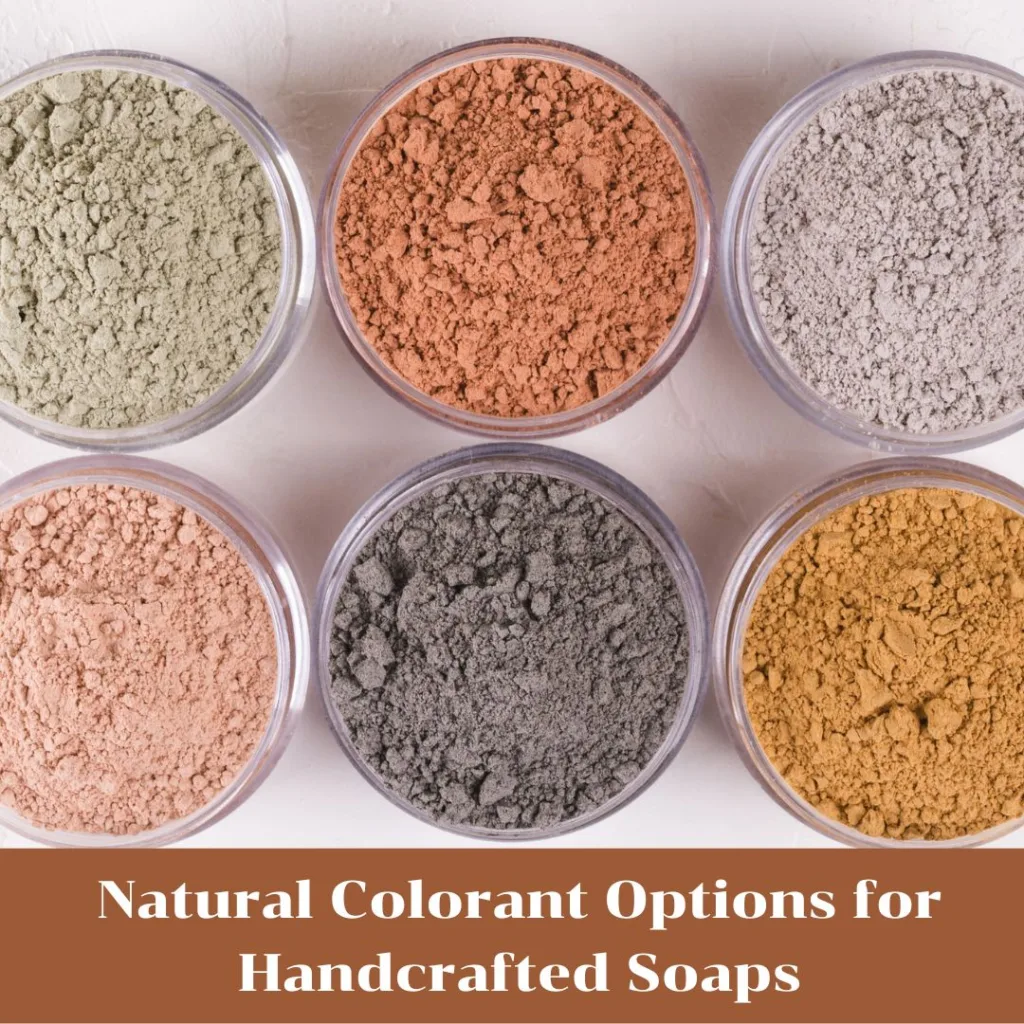
  • Natural Colorant Options for Handcrafted Soaps

    Colorful and beautifully crafted soaps not only enhance your bathing experience but also make for thoughtful and attractive gifts. While synthetic dyes and pigments have been traditionally used to color soaps, many people are now turning to natural colorants for their soap-making projects. Natural colorants not only provide vibrant hues but also offer a chemical-free, eco-friendly alternative.

    1. Clays

    Clays are excellent natural colorants for soap-making. They come in various colors, each offering unique properties for your skin. Some popular choices include:

    • Kaolin Clay (White): Known for its gentle cleansing properties, it adds a soft and creamy white color to your soap.
    • French Green Clay: This green clay gives your soap a lovely earthy hue.
    • Rhassoul Clay: This reddish-brown clay adds a warm and rustic color to your soap.
    1. Herbs and Botanicals

    Dried herbs and botanicals not only provide color but also add texture and exfoliation to your soap. Here are some popular options:

    • Calendula: These bright yellow petals infuse a sunny and vibrant hue into your soap, along with skin-soothing properties.
    • Lavender Buds: Lavender buds add a lovely purple tint to your soap and provide a relaxing, floral scent.
    • Annatto Seeds: Annatto seeds offer a natural orange color, perfect for adding warmth to your soap creations.
    1. Spices and Powders

    Common kitchen ingredients can also be used to color your soap naturally:

    • Turmeric: This golden spice lends a beautiful yellow color to your soap. Be mindful of its strong staining potential. This lovely spice powder, along with it’s essential oil, can be found in our Turmeric Goat Milk Soap
    • Cocoa Powder: Unsweetened cocoa powder adds a rich, brown color and a delightful chocolate scent.
    • Spirulina Powder: Known for its vibrant green hue, spirulina powder offers a natural and healthy way to color your soap. This beautiful powder can be found in our Deep Sea Goat Milk Soap
    1. Fruit and Vegetable Purees

    Fresh fruit and vegetable purees not only provide color but also contribute to the soap’s fragrance and texture:

    • Pumpkin Puree: Adds a warm orange color and a subtle pumpkin aroma to your soap.
    • Beetroot Puree: Creates a vibrant pink or red color and offers skin-loving properties.
    • Carrot Puree: Imparts a soft orange hue and contributes to a creamy lather.
    1. Natural Oils

    Certain infused oils can also be used for coloring:

    • Alkanet Root-Infused Oil: Alkanet root-infused oil results in shades of purple or blue, depending on the pH level of your soap.
    • Chamomile-Infused Oil: Chamomile-infused oil provides a gentle, pale yellow color and a calming fragrance.

    Experimenting with natural colorants in your soap-making endeavors can be both fun and rewarding. Not only do these colorants add aesthetic appeal to your soaps, but they also often come with added skin benefits. Whether you’re looking to create vibrant, eye-catching designs or subtle, earthy tones, natural colorants offer a wide range of options to explore. So, gather your ingredients, embrace your creativity, and start crafting beautiful, natural-colored soaps today. Your skin—and the environment—will thank you!

  • Is Soap Without Lye Really Soap?

    When it comes to skincare, the word “soap” is often used to describe cleansing products. However, not all products labeled as “soap” are created equal. One common debate revolves around the use of lye in soap-making. Lye, also known as sodium hydroxide or potassium hydroxide, is a key ingredient in traditional soap production. In this blog post, we will explore the question: Is soap without lye really soap?

    Understanding Soap-Making:

    To understand the role of lye in soap-making, it’s essential to grasp the basic chemistry behind the process. Soap is formed through a chemical reaction known as saponification, which involves combining fats or oils with an alkali (such as lye). This process breaks down the fats or oils and transforms them into soap molecules and glycerin.

    The Role of Lye:

    Lye plays a critical role in saponification. It is an alkali that reacts with the fats or oils, initiating the chemical reaction that transforms them into soap. Lye is used in precise quantities to ensure the complete saponification process and create a balanced, cleansing product.

    Understanding No-Lye Soaps:

    When you come across products labeled as “soap without lye” or “lye-free soap,” it’s important to note that this terminology can be misleading. The truth is that all true soap requires some form of lye to undergo saponification. However, what these products may refer to is the absence of lye in its original form within the final product, which is true for all soaps. If you have lye present in your final product your recipe is wrong and you need to go back to the drawing board. If soapers are calling their soap lye-free because they have managed to make a soap like product without an alkali then the product they have made is not in fact “soap”. To be legally defined as soap you have to have used alkali (lye). This is why you see a lot of name brand products calling themselves things like “cleansing bar” or “moisturizing bar”. They use other chemicals to solidify their product and cannot legally call themselves soap.

    Legal Definitions:

    From a legal standpoint, the term “soap” is defined by regulatory bodies such as the United States Food and Drug Administration (FDA). According to the FDA, soap is the alkali salt of fatty acids obtained from the saponification process. As long as the final product meets the legal definition of soap, it can be labeled and marketed as such.

    While some soap-makers market their products as “soap without lye,” it’s important to understand that all true soap requires the presence of lye in some form during the saponification process. Lye is not an ingredient that customers should be scared of. There is no reason to avoid products where lye was used, in fact it is used in many other products aside from soap. As consumers, it’s crucial to be aware of the terminology used and understand the science behind soap-making to make informed choices about the products we use for our skincare needs.

  • The Science Behind Natural Soaps’ Bubbles

    Have you ever wondered what creates the lather in our goat milk soaps and other natural soaps? In most commercial soaps lather is created with sulfates, but most handmade, natural soaps don’t include this, as it can be harsh on sensitive skin. So how do we naturally create bubbles? Let’s dive into the science behind what makes natural soaps lather and why they are a preferred choice for many seeking a gentle and eco-friendly cleansing experience.

    1. Surfactants: The Key to Lather

    The primary ingredient responsible for lather in natural soaps is a surfactant. Short for “surface-active agent,” a surfactant is a compound that reduces the surface tension of water. When combined with water and agitation, such as rubbing the soap between our hands, surfactants create bubbles and foam.

    Natural soaps contain gentle surfactants derived from plant-based oils or fats, such as coconut oil, olive oil, or palm oil. These surfactants are biodegradable and more environmentally friendly than synthetic ones found in commercial soaps.

    1. Saponification: The Magical Transformation

    The process that turns oils or fats into soap is known as saponification. During saponification, the triglycerides present in oils or fats react with an alkaline substance (such as lye, sodium hydroxide, or potassium hydroxide) to form soap molecules and glycerin.

    This reaction breaks down the oils into their component parts, including glycerin and fatty acid chains. The resulting soap molecules have a hydrophilic (water-attracting) head and a hydrophobic (water-repelling) tail. When you wash your hands with soap and water, these soap molecules surround and trap dirt, bacteria, and oil, allowing them to be easily washed away with water.

    1. Micelles: The Bubble Builders

    Once soap molecules form in the water, they arrange themselves into structures called micelles. Micelles are tiny clusters with their hydrophilic heads facing outward and their hydrophobic tails facing inward, creating a shield-like structure.

    When you agitate the soap solution (by rubbing your hands together, for example), the micelles are dispersed and trap air, forming the bubbles that we associate with lather.

    1. The Role of Glycerin

    In natural soaps, glycerin is a valuable byproduct of saponification. Glycerin is a humectant, meaning it attracts moisture to the skin. Unlike commercial soaps that often remove glycerin to be used in other skincare products, natural soaps retain this moisturizing component, contributing to their skin-nourishing properties.

    The captivating lather in natural soaps is the result of a delicate chemical dance between water (or milk in our case), oils or fats, and the process of saponification. As you enjoy the luxurious bubbles that cleanse and refresh your skin, you can also revel in the knowledge that natural soaps are gentle, eco-friendly, and crafted with care to preserve the skin-loving properties of the ingredients.

    Next time you reach for a natural soap, take a moment to appreciate the fascinating science behind the bubbles, and rest assured that you are making a mindful choice for your skin and the environment.

  • Can Germs Live on Soap?

    In our quest to maintain good hygiene and protect ourselves from harmful germs, we often wonder about the effectiveness of our cleaning tools. Soap, a staple in our daily routine, is designed to remove dirt, oils, and germs from our skin. However, a common question arises: Can germs actually live on bar soap? In this blog post, we will delve into this topic and debunk the myth surrounding the longevity of germs on soap.

    1. Soap’s Mechanism of Action: To understand the answer, it’s important to grasp how soap works. Soap molecules have a unique structure: one end attracts water (hydrophilic) and the other repels it (hydrophobic). When you lather soap with water, it forms micelles that surround and trap dirt, oils, and microorganisms, including germs and bacteria. Through the mechanical action of rubbing and rinsing, these trapped particles are washed away, leaving your hands clean.
    2. Short-lived Survival: The composition and nature of soap make it an inhospitable environment for germs to survive. The hydrophobic nature of soap, along with its ability to disrupt the lipid membranes of bacteria and viruses, contributes to their removal during the washing process. Any germs present on the soap’s surface or in the lather are effectively rinsed away with water.
    3. Self-Cleansing Properties: Soap possesses self-cleansing properties due to its cleansing action and interaction with water. As you rinse the soap under running water, any remaining microorganisms are flushed away, preventing them from lingering on the soap’s surface. This constant rinsing ensures that the soap itself remains clean and free from viable germs.
    4. Lack of Moisture: Germs, including bacteria and viruses, require moisture to survive and multiply. Unlike moist environments, such as skin or other surfaces, soap is not a conducive environment for germs to thrive. Its low water content and high alkaline pH further inhibit the survival and growth of microorganisms.
    5. Continuous Cleansing Cycle: Each time you use soap, you initiate a cycle of cleaning. When you lather and rinse, the soap removes germs from your hands, along with any dirt or oils. As a result, the soap is left with significantly reduced or negligible microbial presence. The next time you use the soap, the process repeats, ensuring a fresh and clean application.

    Contrary to popular belief, germs cannot live on soap for an extended period. The combination of soap’s structure, self-cleansing properties, lack of moisture, and continuous cleansing cycle effectively removes and eliminates germs from its surface. By following proper handwashing techniques, including thorough lathering and rinsing, you can confidently rely on soap as an effective tool in maintaining proper hygiene. So, continue to embrace the power of soap, knowing that it serves as a formidable ally in the battle against germs and keeps you on the path to a healthier and cleaner lifestyle.

  • The History of Goat Milk in Skincare

    The use of goat milk in skincare dates back centuries, with cultures around the world recognizing its remarkable benefits for the skin. From ancient civilizations to modern skincare routines, goat milk has stood the test of time as a coveted ingredient.

    Ancient Civilizations:

    Goat milk’s use in skincare can be traced back to ancient civilizations such as Egypt and Greece. Egyptian queens like Cleopatra were renowned for their beauty, and it is said that they indulged in luxurious goat milk baths to maintain their radiant complexions. The high nutritional content of goat milk was believed to enhance their skin’s vitality and youthfulness.

    Traditional Remedies:

    In many cultures, goat milk has been cherished for its healing properties. In traditional Ayurvedic medicine, goat milk has long been used for its cooling and soothing effects on the skin, making it a popular ingredient in skincare preparations. Native American tribes also recognized the nourishing and calming benefits of goat milk and utilized it in their natural remedies.

    Europe and the Renaissance:

    During the Renaissance period, goat milk continued to hold its place in skincare. Wealthy Europeans turned to goat milk for its reputed ability to improve skin texture, fight signs of aging, and maintain a healthy complexion. Goat milk soaps and creams were highly valued for their moisturizing and soothing properties.

    Modern Skincare Revival:

    In recent years, goat milk has experienced a resurgence in popularity in the skincare industry. As more people seek natural and gentle alternatives for their skincare needs, goat milk has emerged as a beloved ingredient. The understanding of goat milk’s rich composition, including vitamins, minerals, proteins, and fatty acids, has reinforced its reputation as a powerhouse for skin health.

    Scientific Backing:

    Scientific research has provided insights into the benefits of goat milk for the skin. Studies have demonstrated the presence of lactic acid, alpha-hydroxy acids, and vitamins A and E in goat milk, which contribute to its moisturizing, exfoliating, and antioxidant properties. These findings have further supported the historical use of goat milk in skincare and fueled its popularity in modern formulations.

    Versatility in Skincare:

    Today, goat milk is incorporated into a wide range of skincare products, including cleansers, soaps, moisturizers, masks, and creams. Its gentle nature makes it suitable for various skin types, including sensitive, dry, and mature skin. The hydrating, nourishing, and soothing qualities of goat milk continue to make it a sought-after ingredient for those seeking healthy and radiant skin.

    The history of goat milk in skincare is a testament to its enduring allure and effectiveness. From ancient civilizations to modern skincare enthusiasts, the use of goat milk has transcended time and borders. With its rich composition and remarkable benefits, goat milk remains a cherished ingredient in skincare routines worldwide. Embrace the traditions of the past and harness the power of goat milk to experience the timeless beauty it imparts to your skin.