Category: Gardening

  • How gardening changes your eating habits

    It’s amazing how something like gardening can change your entire perspective on food. It causes you to look at the produce in the store differently, you cook differently, your whole mentality changes.

    Before I started gardening, and before we had the farm, I never thought about what was in season when I would shop. I would buy the produce that was the biggest and least blemished without thinking about it. I ate pretty much the same way all year round. All this changed when I started gardening.

    I think the thing that hit me first, the first perspective change, was the fact that everything you find in the store is perfect. It’s rare that you find blemishes on the produce, but this is not real. This brings about the subject of waste… which is a whole other story, but I did find this great article that goes into it (here). The percentage of veggies that come out of our organic garden without any blemishes (however big or small), that are the perfect size and color is not incredibly high. They may not be shaped perfectly, they might have holes from bugs, or cracks from shifts in watering. In the last few years I have grown to love the blemishes. They make it feel real to me.

    Next perspective shift was eating foods out of season. There is nothing like a tomato fresh out of the garden… nothing. No grocery store tomato can match it, especially those out of season. Many grocery store tomatoes, even in season, were picked when the weren’t yet ripe and then blasted with ethylene gas to turn their green skin red. This is done so they have time to travel, and sit in the store for a little while without rotting. The skin may be red, but they still taste like an unripe tomato. Once you start to understand the gardening seasons you start to question where these produce items at the grocery store have to come from. I don’t like my food traveling from great distances. It seems wasteful.

    I went into gardening thinking my eating habits would mostly stay the same.  I would still eat whatever I wanted all year round and the meals I would make would not change. This is how I have always done it… why change now? I would grow as much as I could within gardening season, preserve what I could, and purchase what I needed the rest of the year from the grocery store, but this didn’t end up happening. Like I stated before, I didn’t like the idea that the produce was having to travel a large distance, and the stuff at the store didn’t taste nearly as good. I began to eat veggie heavy meals through the summer and fall and the things that made it to our table during the winter were things like root vegetables and starchy foods. As a family we started to eat seasonally.

    Gardening has made me branch out and try vegetables that I would have never considered before because they are easy to grow, grow in abundance, are easy to preserve, and can give us the nutrients we need. It allows us to have variety in our diet and keeps us from getting bored. It’s a lot of fun growing a new vegetable then trying to figure out how to use them!

    Finally, it changed the way we constructed dinner. For so many years we started meal planning by figuring out what protein we wanted, then filling in a starch, and lastly a vegetable. When you only spend $3 on a pack of seeds, and you have the kind of space we have, you start to think about what you have available to in your own backyard as the start of your meal. You don’t look for recipes that you like, you look for recipes that fit the items you have growing.

    I love gardening. I love putting my hands in the dirt. I love having this kind of control over the foods that my family eats. I love walking into my backyard to gather healthy tasty foods. It’s freeing. It has changed me. The food world looks quite different now.
  • Gaining a Green Thumb

    I wouldn’t say I have a green thumb, but I am well on my way. My whole life I have had trouble keeping plants. I killed just about every plant that was given to me up until a few years ago. Our first summer in this house (before it was a farm) we tried to put in a garden… Nothing came out of it… Not one vegetable! I had no idea what I was doing and this was before the time of Pinterest. We did nothing to improve our soil, we didn’t add fertilizer or plant food, we didn’t research what plants should go together or when they should be planted, we just picked a weekend where we had some free time, went to the local nursery, purchased some plants and put everything in at once. Everything died off pretty quickly. Go ahead, get a good laugh. It was bad. It’s not like me to go into a situation without researching it, but for some reason I just thought that everything would work out as long as I just got some plants in the ground.

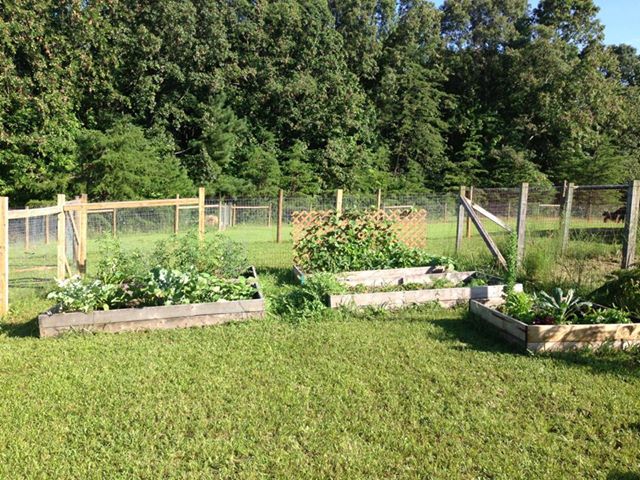
    The following two years I was dealing with being pregnant and then being a new mom, so no gardening took place, but I spent a great deal of time researching what I had done wrong. In 2012 we put in 5 raised beds. Our soil is hard red clay and with my lack of experience I wanted to start with the best soil possible. With all of my research and the help of Pinterest our garden was amazing that year. We were swimming in cucumbers, tomatoes, green beans, lettuce, watermelons, broccoli, and herbs. We had a little trouble with squash bugs so our zucchini didn’t turn out great, but we still got a few to eat. I was so pleased and ready to expand! My vision of becoming self-sustaining seemed like it might eventually be possible.

    In 2014, we expanded the garden to 11 beds and the garden all of the sudden became extremely overwhelming. I was running our two businesses, while taking care of the farm and our two children, and Kevin was working (more than) full time out of the house. The garden didn’t get the attention that it needed. I was spending 30 minutes to an hour in the garden daily, but it was just me and it was all I could do just to make sure everything was watered and to “kinda” keep up with the weeds. Even with the lack of time and manpower we still ended up with a decent amount of fruit and veggies. I was expecting so much more so it was a bit of a blow to the momentum that I had built in 2012, but I got more than the year before so I had to celebrate that success. I was still moving forward.

    That brings us to this year and yet another expansion. In addition to our 11 raised beds we are gardening on new land that we purchased. We had dedicated a quarter acre of the 3 acres that we purchased last year to a garden. We decided not to garden the whole quarter acre this year. It would just be too much. It was already going to be an uphill battle since we were going to be gardening into the existing soil and we knew we were starting with soil that needed work. The plan was to continue working on the unused garden’s soil by dumping compost and manure, and putting chickens out there throughout 2015 so it can be used next year. I went into this year with the expectation of making the 11 raised beds amazing and learning to garden our new space. With Kevin now working on the businesses full-time with me it takes a lot off my plate and gives me help in the garden, so that made the goal feel doable. I also spent an enormous amount of time helping a friend, who is a horticulturist, in her greenhouse and with her garden, soaking up every bit of knowledge that I could. It was incredibly helpful.

    Weeds have been a huge battle this year as well as fungus, but I am learning to avoid and combat those things. Each year I grow. Each year I make mistakes and learn from them. Each year I bring more food into the house. Each year I take one step closer to my goal of become self-sustaining.

    My advice for gaining a green thumb

    1. Research, research, research. Give yourself a head start by knowing what you are getting yourself into. Know the best time to put in plants, know what grows well in your area, know what plants should go near each other and which should be kept separate, know what each plants need to thrive.
    2. Have your soil tested. Good soil is the base to a good garden. Know what corrections need to be made to make your soil great.
    3. Start with easy plants and try new things each year. Plant things like cucumbers, beans, tomatoes, zucchini, and peppers. They are likely the veggies you would eat the most of anyways.
    4. Be happy with little successes and learn from mistakes. If something doesn’t turn out the way you wanted research what went wrong. Don’t wallow in the mistakes and remind yourself of the things you did well.
    5. Surround yourself with people who know what they are doing and listen to everything they have to say.
    6. If you have a friend or family member who gardens offer to help them. You will learn more than you know by just helping them.
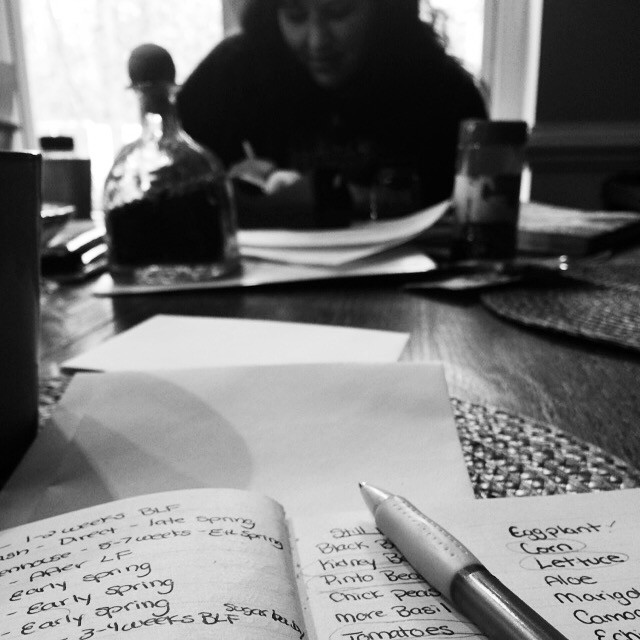
    7. Take notes on what you did each year and make sure you do this as you go along. It will help you replicate things that go well and correct things that go wrong. You may think you will remember, but I promise that you wont.

    Good luck and remember it takes years of practice!

  • What’s New to Our 2015 Garden

    Every year we try new things with our garden… We add beds, new/different plants, new techniques. In the past it was only me doing the garden, which is really limiting, but now that Kevin is working from home with me we can do more… and it’s a good thing too, because this year we added a new quarter of an acre to our garden. That is far more space than we have ever had to deal with! We are also dealing with planting directly into our red clay soil instead of the raised beds in which we have grown accustomed. I worry we might be taking on too much, but a bigger garden is going bring us closer to our goal of becoming self-sustaining.

    In addition to all of the new space we are trying out a bunch of new plants. We are experimenting with gourds, spaghetti squash, black beans, kidney beans, chick peas, popcorn, beets, radishes, and potatoes for the first time. We are also going to plant a lot more flowers this year. Flowers haven’t been something I worried much about in the past. Now with more garden space and more help I can add them not only to make the farm prettier but to attract beneficial bugs and hopefully ward off bad bugs.

    As far as the things that we grow every year (peppers, tomatoes, cucumbers, green beans, peas, zucchini, strawberries, carrots, lettuce, watermelon, etc) we plan to grow a lot more of them. We are going from 24 tomato plants last year to 70+ this year. We are also doing 70+ sweet pepper plants this year compared to the 15 that we did last year… we eat a lot of peppers in this house!

    Follow along with us to see how the new garden comes together…

  • Garden Phase 2 – Soil Prep and Seed Starting

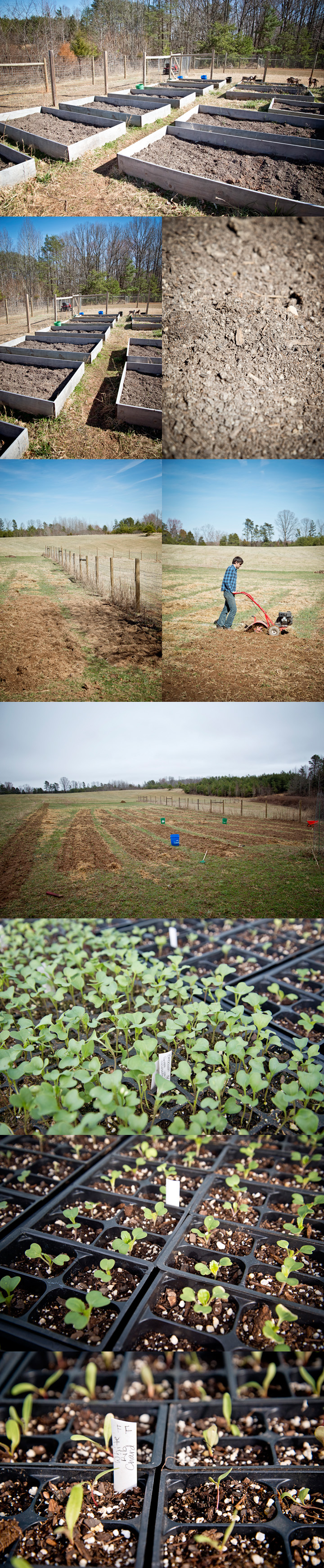
    The garden is moving along! The huge expansion has been a difficult transition, time wise. Which is to be expected when you are growing on 5x more space than in years past. I am desperately trying to get the beds in the new garden prepped, but it’s extremely time consuming. We had to till the beds because the soil was so incredibly compact. With tilling we have to clear out the weeds and mix in some compost and some of the good garden soil that we purchased. I hope that the measures that we are taking to improve the soil will keep us from having to till again. The soil is in a lot better shape than I was expecting it to be though! In that area it was just red clay, so I have been dumping manure and soiled straw on top of the soil for almost a year now and it has really seemed to help.

    We have already planted some of our cooler weather crops. So far we have planted potatoes, peas, radishes, turnips, carrots, lettuce and beets. This is my first time planting potatoes. I find them very intimidating, but we have great people guiding us. I am extremely excited to see how they turn out. Considering the amount of potatoes we go through each year being able to successfully grow them would be a wonderful thing!

    About a month ago I started a bunch of seeds in our friend Toni’s (of Bella Grove Farm) greenhouse. It turned into HUNDREDS of cabbage, tomato, pepper, kale, broccoli, cauliflower, greens, and herb plants. I also planted a few varieties of flowers. I’ve been slowly filtering them home and some will be transplanted into the actual garden within the next week. In the meantime I have been searching for ideas of new ways to cook and preserve all of the veggies that we are planting this year… because I plan to have an abundance, not just enough to get by!

    I am so excited to see the garden come together.

    Phase 2 - The Freckled Farm

  • Gardening: Stage 1 – Planning

    Our garden is going to be quite an undertaking this year. In the past we have filled 12 raised beds with plants, but it has never been enough to last us much past fall. We would have things like green beans that we could get a year supply of, but when it came to everything else we would burn through it quite quickly. Few things made it to the freezer like planned. I would get enough tomatoes for all of my tomato sandwiches and salads throughout the summer and sauces for spaghetti and pizza for about two months. Everything else pretty much feeds us through spring and summer. That isn’t enough for me! I want to have enough canned and frozen to get us through the year. The biggest change this year, that will hopefully make this goal a reality, is the fact that we have a new quarter of an acre that will be additional garden space. Last year we added three acres of land to our farm from the property next to us. Most of that currently is or will be in the future, used for the goats, but I left a quarter acre opened for our new garden.

    Taking on a new garden of this size requires a lot of planning. The ground is hard red clay that is very common to this area of Goochland. I have been worried about growing anything in it. For the last six months or more I have been dumping the soiled straw and llama manure from the daily muckings, covering the entire quarter of an acre. We plan to plow (just this once) because the ground is so not at all workable.

    This is the time of year for garden planning. Ordering seeds, deciding on the number of plants that will be planted, mapping out where they will go, and figuring out planting times. I spent time with my lovely friend Toni from Bella Grove Farms in Goochland VA back in early February. She spent the better part of the day giving me advice and packing me up seeds that she had saved from previous years. Between those seeds, seeds I had leftover from the last two years, and the ones I purchased from Johnny’s Selected Seeds I’m ready! In the coming weeks things should start to come together. Now I am working on actually mapping out the garden space and planning of number of plants. I am beyond ready for Spring! It’s almost here!

    Seed Planning


  • Seeds!

    It’s one of my favorite times of year… when the seed catalogs start coming in the mail. The kids and I love looking through them. Not only is it excited to dream and plan for spring in the dead of winter, but they also contain great lessons for children. I thought I would take the time to share some of our favorite seed catalogs, where we like to order our seeds, and what the kids and I like to do with the catalogs when we are done using them for their intended purpose.

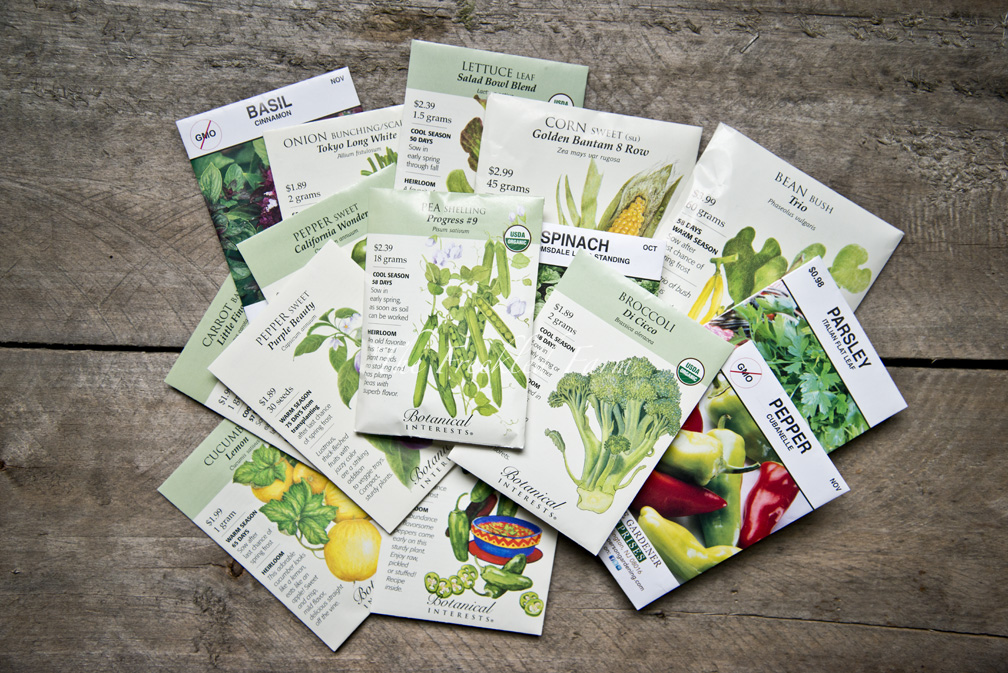
    Seed PacketsI have gotten my fair share of seed catalogs and a few have always stood out among the others. While all seed catalogs contain pretty images of fruits, vegetables, flowers, and sometimes trees, the ones I picked are also full of information that helps you grow as a gardener.

    1. Baker’s Creek – I love this catalog, although I have never ordered seeds from it. The seeds they offer are rare heirloom, and while I feel far more confident in my green thumb than I used to I still don’t think I’m ready to start playing with rare seeds just yet. Either way though the catalog is amazing. It’s full of great information and absolutely beautiful photographs.
    2. Botanical Interests – This catalog is full of information. It doesn’t have photographs, the plants are drawn, but Breckin still enjoys looking at it… especially since this is the catalog that we order from and he gets to go through and circle all of the seed varieties that he wants to grow.
    3. Jonny’s Selected Seeds – We haven’t received this catalog yet, I’m still waiting for it to come in the mail, but it came very highly recommended from another farmer friend. I was told it contained the best, most throughout, information.

    We get our seeds from two places:

    1. Botanical Interests, the seed catalog that I listed above is where we have bought our seeds the last few years. We have had great luck with the seeds and they have a wonderful selection. They are GMO free and in many cases organic and/or heirloom.
    2. This year we joined Mike the Gardener’s Seed of the Month Club. Breckin has a true obsession with gardening and seeds (he saves the seeds from the fruits and veggies he eats), and he absolutely loves getting the seeds in the mail each month. The first month you get eight seed packets, and every month there after you get 4 packets. It’s a great lesson each month since he has to learn about the plants we receive, how to grow them, and how we can use them. The seeds are open pollinated, heirloom varieties and are GMO free. The membership is very affordable and a lot of fun! If you become a member of the seed of the month club please use our referral code: W9LOFCDV3Q. It will extend our membership for free! Breckin will be very appreciative!  

    Seed catalog activities: There are an endless number of activities that you can do with your seed catalogs when you are done planning your garden and purchasing your seeds.

    1. Go through the catalog talking about the different fruits and vegetables, what sort of vitamins they contain, and how those vitamins help your body. Breckin loves to know how foods help him grow. Quite often it’s the only way we can get him to eat those foods.
    2. Have your child practice their cutting skills by cutting the different photographs out of the catalog with safety scissors.
    3. Cut the photographs out of the catalog and then have your child separate them into fruits, veggies, and flowers. It’s a great way for your child to learn the difference between a fruit and a vegetable.
    4. Cut the individual fruits and vegetables out of the catalog and make a rainbow with the different colors.
    5. Use the photographs from the seed catalogs and find other foods from different magazines. Use these photographs to teach about the different food groups.
    6. Use the photographs to make a paper garden
    7. Make a food collage
  • Gardening Lessons I Have Learned This Year… so far

    This was our first year of having a full garden on The Freckled Farm. The year that we bought the property we tried to plant one, but failed miserably. We went into the project with little knowledge about soil, plants, timing… anything gardening really. Little sprouts came up, then died off from overall neglect. Over the next few years we did select herbs and other plants with varied degrees of success. I wasn’t willing to undergo the big project again while dealing with pregnancies and newborns, so we waited until this year. The season isn’t even over yet and I have learned so much…

    The Freckled Farm - Garden

    We started setting up the fencing for our garden last fall, but weren’t able to finish it. We finished the fencing and built 5 beds late winter, then filled the beds with compost, manure (mostly from the llamas), and top soil. I ordered non-gmo and organic seeds from Botanical Interests, although we did end up with a few nursery started plants in the garden.

    1. Start with the best – We started by purchasing the bagged topsoil from Southern States, but it was getting expensive so we decided to go with the bulk dirt that they scoop into the back of your truck from one of those dirt and gravel places to finish off the remaining beds. The dirt wasn’t great quality, I’m sure we could have found better, but I thought I would be able to improve the quality if the dirt with the compost and manure. After working with it for a few weeks before planting it improved quite a bit, but I can’t help to think it would have been less work and our plants would have been even healthier if I started out with better soil. So the lesson here – If you are using raised beds start with a good base. Don’t just get the cheapest available in hopes of improving it. 
    2. Don’t give up, even if looks like it’s over – I decided to try growing my tomato plants from seed this year. I had been warned many times over about how difficult it was and that I should not beat myself up if I ended up resorting to nursery started plants. I started a set and killed them off a few weeks later. I started again and had much stronger, healthier plants. I put them in the garden a week past the average last frost date, but as luck would have it we had one last frost. We covered them up to protected them from the frost, but they still wilted away over the next week. That weekend we went and purchased tomato plants from a local nursery. I was feeling defeated as I pulled out all of the almost dead plants to make room for the new ones. I left one of the plants I started from seed because I had one less purchased plants than I did seed plants… I figured I would see what came of it. As the new plants grew, so did the seed plant. Now it’s just as big as the others and producing wonderfully. I wish I had kept the other plants. I had planted varieties that I was really excited about.
    3. Don’t over water – This should be a given, but I got a little over excited with my seedlings and killed off my first set of tomatoes and onions.
    4. Raised beds are awesome – I am so glad we decided on raised beds. It’s a bit of a cost up front, and you have less space than you would otherwise, but it’s been well worth it. It’s been great for weed control and you get control of the quality of the soil put in the beds rather than trying to correct the soil you have… in our case red clay.
    5. Vine plants are going to sprawl… a lot – I thought I had given the “sprawling” plants lots of room, but apparently I was wrong. The beans continue to grow and are all out of lattice (I managed to get them to move over to the fence), the cucumbers are all over the place, and don’t get me started on the watermelon. Next year I am planning to have all of the sprawling plants vertical, not just the beans, and I may plant less plants.
    6. Routine is key – The issue last time we tried a full garden was that I would just forget about the garden. Life would happen and I would miss days of weeding and pest control. I wouldn’t check everyday to see if the garden needed water and didn’t think about how the weather was effecting my plants. Now that the farm is up and running I already have an outdoors routine to care for the animals. I just added the garden into the routine and it is flourishing because of that.

    I think I have found my green thumb! It’s a great feeling. I love going out to the garden and assessing the changes that happened since the day before. Plants I would have never thought I could grow successfully are flurishing. We started small with 5 beds this year but have big plans to expand by 6 more beds next year. One day I hope to live off our garden. That dream seems a lot more possible after this year


    The Freckled Farm Soap Company makes handmade goat milk soaps. Our body care products are all natural and made with love. For more information about our products and to read more about the farm please visit our website: www.thefreckledfarmsoapcompany.com